
Which Is Better A Top Loader Or A Front Loader
Doing laundry. It's a chore most of us can't escape. But have you ever stopped to really think about your washing machine? More specifically, have you pondered the age-old question: Top loader or front loader – which reigns supreme? It might sound like a dull debate, but understanding the differences can actually save you money, time, and maybe even a little bit of your sanity. Let's dive in with a sense of curiosity!
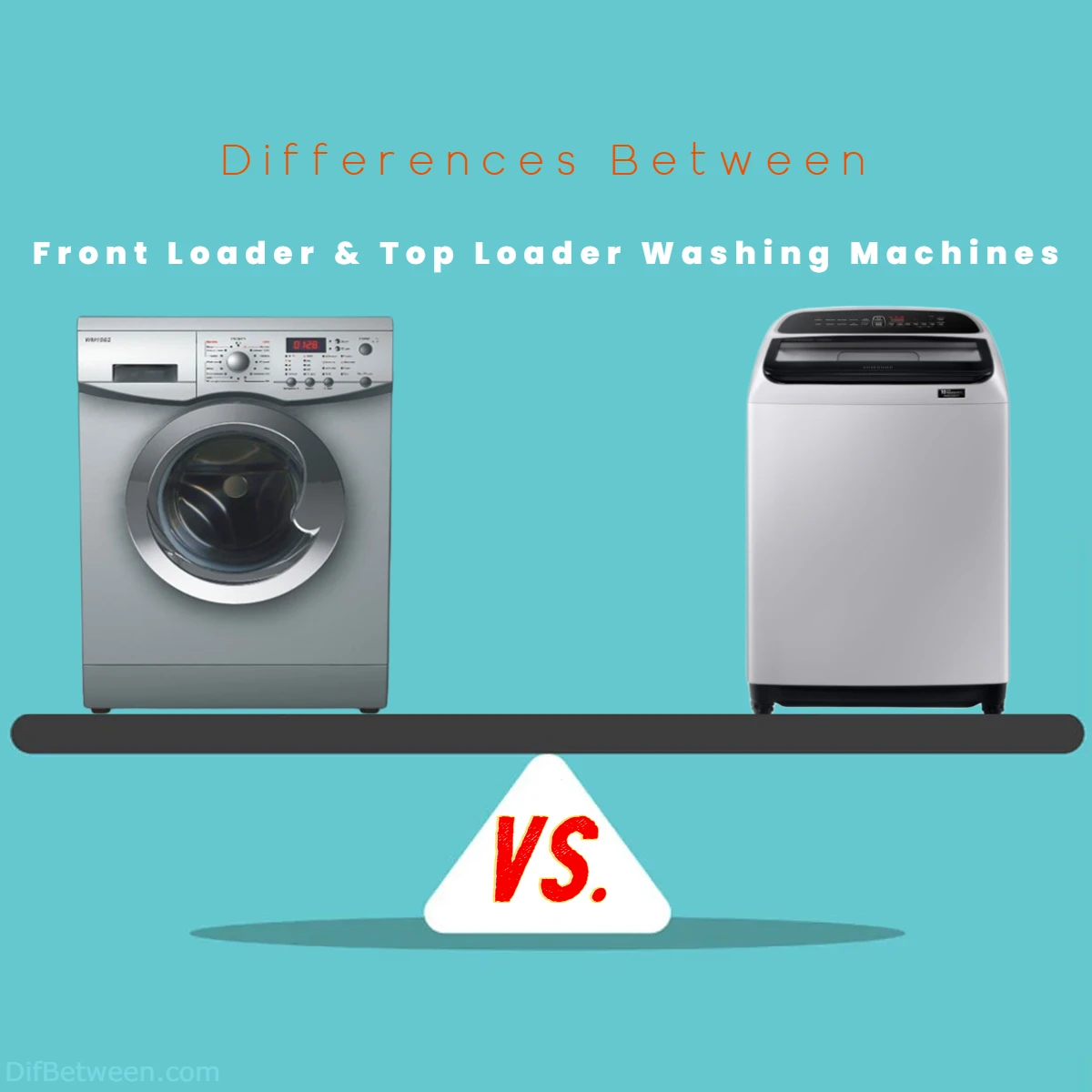
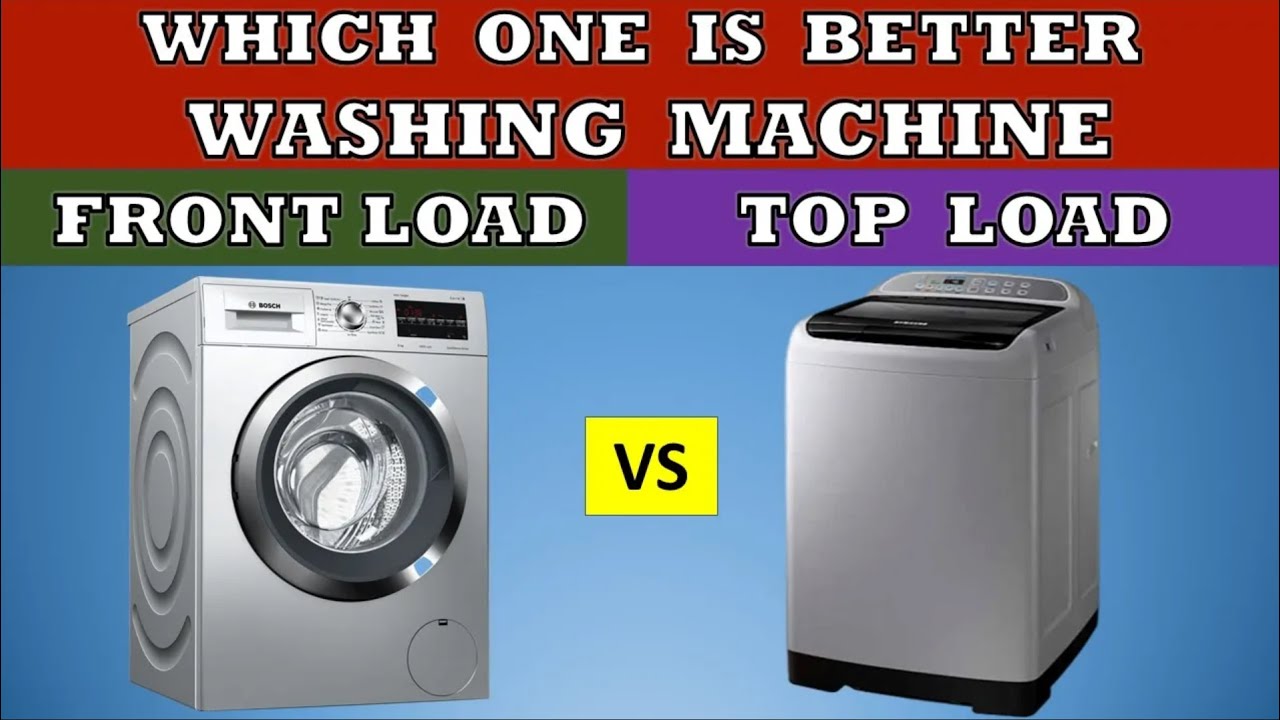
The core purpose of any washing machine, regardless of its loading style, is of course, to clean our clothes. They use a combination of water, detergent, and mechanical action (agitation or tumbling) to remove dirt and grime. Both types of machines achieve this goal, but their approach is quite different. Top loaders, as the name suggests, have a lid on top. Traditionally, they use a central agitator or impeller to swish the clothes through the water. Front loaders, on the other hand, have a door on the front and tumble the clothes through a small pool of water using gravity.
So, what are the benefits of each? Top loaders are often more affordable upfront. They're also generally easier to load and unload, especially for people with mobility issues, as you don't have to bend over as much. A big plus is that you can usually add clothes mid-cycle – that stray sock you found after you already hit "start" can still join the party! In daily life, this convenience is a major win for busy families.
Must Read
Front loaders, however, tend to be more energy and water-efficient. They use significantly less water per load because they don't need to completely submerge the clothes. This translates to lower utility bills – a benefit that adds up significantly over time. Front loaders are also generally gentler on clothes, which can extend the lifespan of your favorite garments. Think of that delicate silk blouse – it will likely fare better in a tumbling action than a vigorous agitation.

In educational settings, understanding the mechanics and efficiency of different washing machines can be incorporated into lessons on physics (water displacement, centrifugal force) and environmental science (water conservation). Students could even conduct simple experiments to compare the water usage of different washing machine models. In daily life, beyond just doing laundry, this knowledge empowers us to make informed purchasing decisions that align with our values and budget. For example, someone particularly concerned about water conservation might prioritize a front loader, despite the higher initial cost.
Want to explore this topic further? A simple way to start is by checking the energy ratings of your current (or dream) washing machine. Look for the Energy Star label and compare the estimated annual energy and water consumption. You can also read online reviews from other users to get a sense of their real-world experiences with different models. Perhaps the most practical tip is to simply observe your own laundry habits. Do you frequently need to add items mid-cycle? Are you concerned about water usage? Answering these questions will help you determine which type of washing machine best suits your needs. Ultimately, there's no single "best" washing machine – it all comes down to personal preferences and priorities.

:max_bytes(150000):strip_icc()/top-load-washer-vs-front-load-2145868-v5-6606d79a51e446be957069689296fc44.png)