
Which Is Better 18 10 Or 18 0 Stainless Steel

Let's dive into the wild, wonderful world of stainless steel! Specifically, the showdown: 18/10 versus 18/0. Buckle up, buttercup, because this is about to get exciting (for stainless steel enthusiasts, anyway!).
The Great Stainless Steel Face-Off!
Imagine a superhero movie, but instead of capes and superpowers, we have chromium and nickel. Okay, maybe it's not that exciting. But trust me, the stakes are high! We're talking about your cookware, your cutlery, your very kitchen existence!
What Do These Numbers Even Mean?!
First things first, let's decode this cryptic numerical system. The "18" in both 18/10 and 18/0 refers to the percentage of chromium present in the stainless steel. Think of chromium as the shield against rust and corrosion – our valiant protector!
Must Read
So, both have 18% chromium? Excellent! They're off to a good start. Now, the second number is where things get interesting. This indicates the percentage of nickel.
The Nickel Difference: Luxury vs. Practicality
18/10 stainless steel boasts a lovely 10% nickel. Nickel adds extra shine, a smoother finish, and, most importantly, enhanced resistance to corrosion. It's like giving your stainless steel a spa day, every day!
18/0 on the other hand? Zero nickel! Nada! Zilch! This doesn’t mean it's inferior, just different. Think of it as the rugged, no-frills cousin of 18/10.
The Magnet Test: A Kitchen Mystery!
Here’s a fun fact: nickel is non-magnetic. This means that 18/10 stainless steel is generally less magnetic than 18/0. Grab a magnet! Let the games begin!
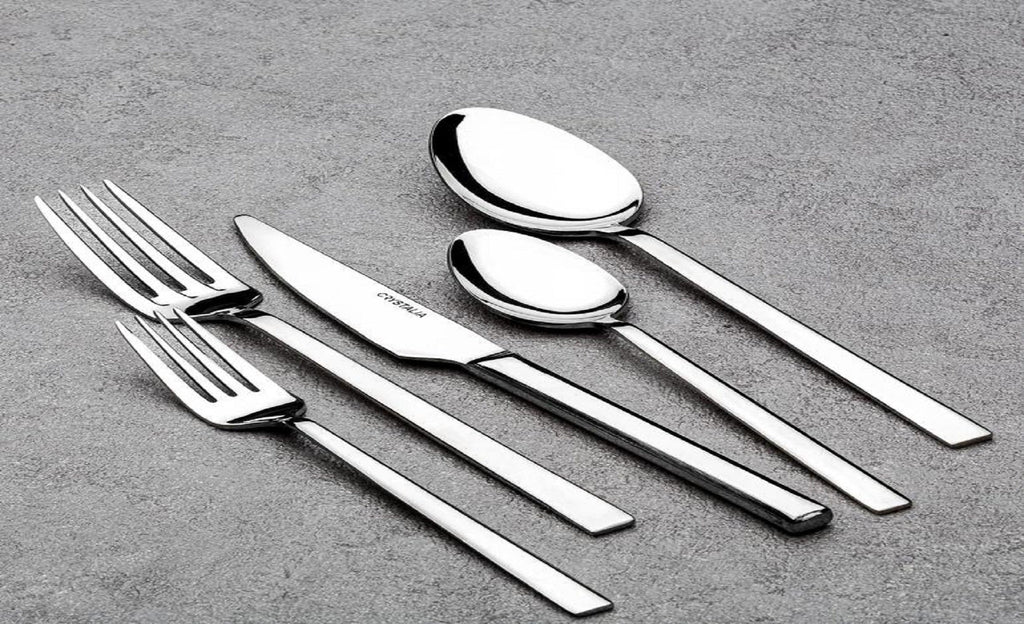
Trying to stick that magnet to your fancy 18/10 spoon? It might weakly cling or not cling at all. Now try it on your 18/0 fork. Bam! Sticks like glue. Science!
Corrosion Resistance: The Achilles Heel?
While both types are stainless steel, the presence of nickel in 18/10 gives it a superior edge in corrosion resistance. Think of it this way: Imagine leaving both types of spoons soaking in a lemon juice bath (don’t actually do this, unless you're into weird experiments).
The 18/10 spoon would probably emerge looking like it just stepped out of a shampoo commercial, all shiny and unfazed. The 18/0 spoon might show some minor pitting or dullness over time, especially with prolonged exposure to acidic foods.
Cost Considerations: Wallet Warriors, Assemble!
Here's the kicker: nickel ain't cheap! This means 18/10 stainless steel typically comes with a higher price tag than its 18/0 counterpart. Are you willing to pay a premium for that extra shine and corrosion resistance? Only you can answer that!
18/0 is the budget-friendly champion. It gets the job done without breaking the bank. Perfect for equipping a first apartment or stocking up on everyday utensils.
Durability: Built to Last (Almost) Forever
Both 18/10 and 18/0 stainless steel are incredibly durable. They can withstand a lot of abuse. We're talking dishwashers, clumsy chefs, and even the occasional toddler drumming session (not recommended, of course!).
However, that extra nickel in 18/10 gives it a slight advantage in terms of resisting scratches and dents. So, if you're particularly hard on your cookware, 18/10 might be the better long-term investment.
Aesthetic Appeal: Shine Bright Like a Diamond!
Let's be honest, we all like things that look pretty. The nickel content in 18/10 gives it a brighter, more polished appearance. It's the Beyoncé of stainless steel!
18/0 is more like the girl next door. Reliable, dependable, and perfectly presentable, but maybe not quite as dazzling. Although, some people prefer the less-shiny look!
Common Uses: Where Do They Shine?
18/10 is often found in high-end cookware, cutlery, and serving pieces. It's the choice of chefs and home cooks who demand the best in terms of performance and aesthetics. Think fancy restaurants and gourmet kitchens.
18/0 is commonly used in everyday utensils, bakeware, and some cookware. You'll find it in cafeterias, family restaurants, and the kitchens of practical-minded individuals who prioritize functionality over flashiness.

So, Which One Is "Better"? The Grand Verdict!
Drumroll, please! The answer, as always, is… it depends! There's no single "better" option. It all boils down to your individual needs, preferences, and budget.
Do you want the shiniest, most corrosion-resistant stainless steel available, and are you willing to pay a little extra for it? Go for 18/10! It's the luxury sedan of the stainless steel world.
Are you looking for a durable, functional, and budget-friendly option that will get the job done without fuss? 18/0 is your champion! It's the reliable pickup truck of stainless steel.
The Bottom Line: Embrace the Stainless Steel!
Ultimately, both 18/10 and 18/0 stainless steel are excellent materials for a wide range of kitchen applications. They're both durable, easy to clean, and resistant to rust and corrosion.
Don't get too caught up in the numbers game! Choose the option that best suits your needs and enjoy the versatility and longevity of stainless steel.

Now go forth and conquer your kitchen, armed with your newfound stainless steel knowledge! And remember, always wash your spoons. Regardless of their composition.
A Final Thought: Beyond the Kitchen
The applications for these materials stretch beyond the kitchen walls. Think about architectural applications or industrial parts! The choice comes down to environment, cost, and desired lifespan.
Nickel can be key in some applications, not important in others. So even when it comes to architecture the choice is yours!
So, there you have it! Everything you ever wanted to know (and probably more) about 18/10 and 18/0 stainless steel. Happy cooking! And may your silverware always sparkle!