
Which Group Is Not Vulnerable To Heat Stress
Okay, let's talk about heat. We all love a sunny day, right? But sometimes, that sunshine turns up the dial way too high, and suddenly, we're all melting like ice cream on a hot sidewalk. That's heat stress, and it's no joke. But have you ever stopped to wonder, is everyone equally at risk?
Think of it like this: a tiny kitten versus a battle-hardened Tom cat facing a summer heatwave. Which one do you think is more likely to be lounging comfortably in the shade, while the other is struggling? So, who is this Tom cat equivalent in the human world?
The Myth of the Invincible Human
First, let's bust a myth. There isn't a single group of humans that's completely, 100%, utterly immune to heat stress. Heat doesn't discriminate! It can get to anyone, regardless of age, gender, or physical fitness. We’ve all seen that athlete who collapses during a summer marathon! It's a reminder that even peak physical condition isn't a guaranteed shield.
Must Read
However, some groups are naturally more vulnerable, while others tend to be less so due to various factors. It’s all about degrees of risk.
The Usual Suspects (And Why They're Vulnerable)
Before we get to the relatively less vulnerable, let's quickly run through the groups we usually worry about most. These are the folks who need extra TLC when the mercury rises.
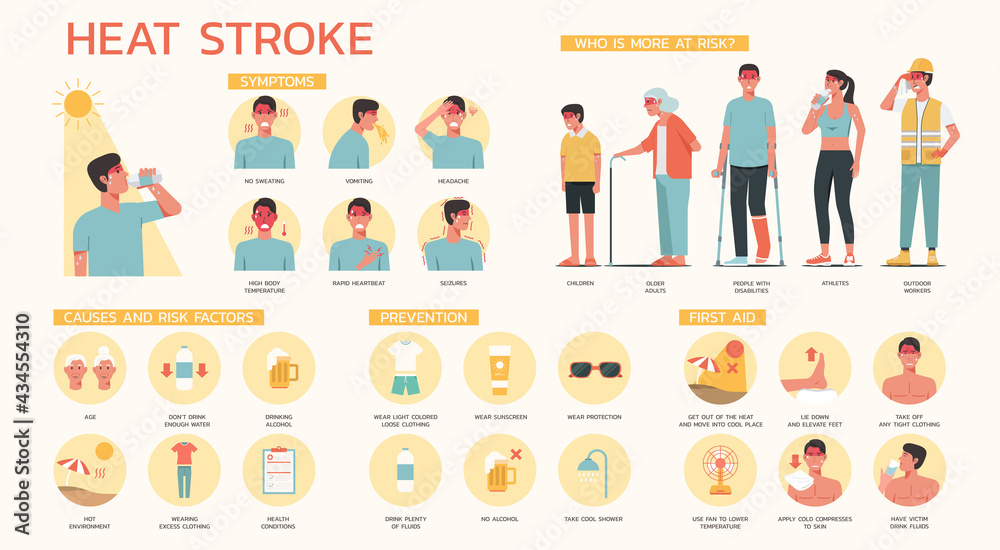
- The Elderly: Remember your grandma complaining about the heat even when you're perfectly fine? That's because our bodies become less efficient at regulating temperature as we age.
- Babies and Young Children: Their bodies are still developing, and they can't tell you when they're overheating as effectively. Plus, they rely on others to keep them hydrated.
- People with Chronic Illnesses: Conditions like heart disease, diabetes, and respiratory problems can make it harder for the body to cope with heat.
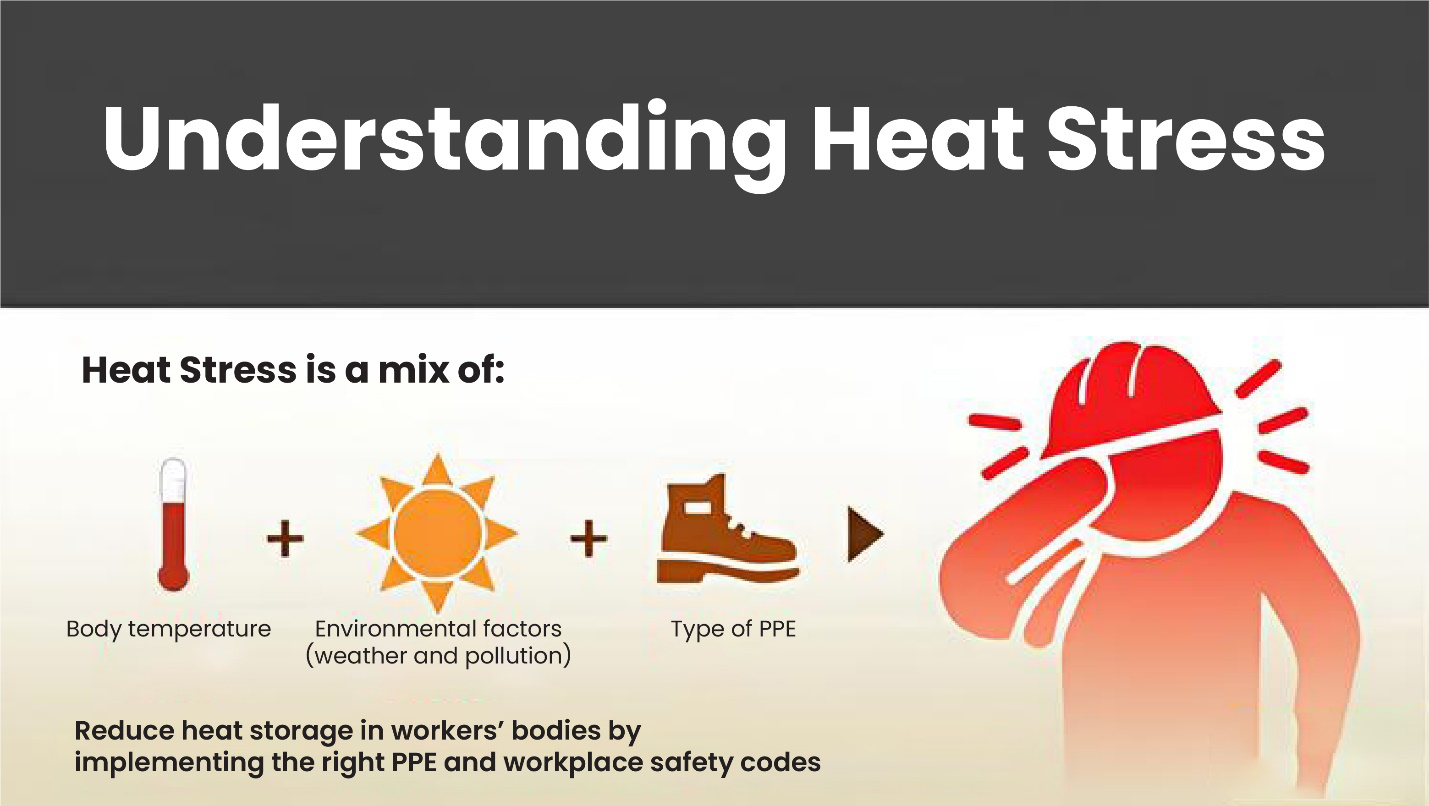
- Outdoor Workers: Construction workers, landscapers, farmers... anyone toiling under the sun for hours is at higher risk.
- Athletes: Pushing their bodies to the limit in hot conditions can lead to dehydration and heatstroke.
- People Taking Certain Medications: Some drugs can interfere with the body's ability to regulate temperature or cause dehydration.
These are the obvious ones. But what about the flip side?
So, Who's Least Vulnerable? (Relatively Speaking!)
Okay, here's the tricky part. It's not about who's immune, but who tends to be less vulnerable due to a combination of factors. Think of it as having a slightly better hand in a poker game – it doesn't guarantee a win, but it gives you an edge.
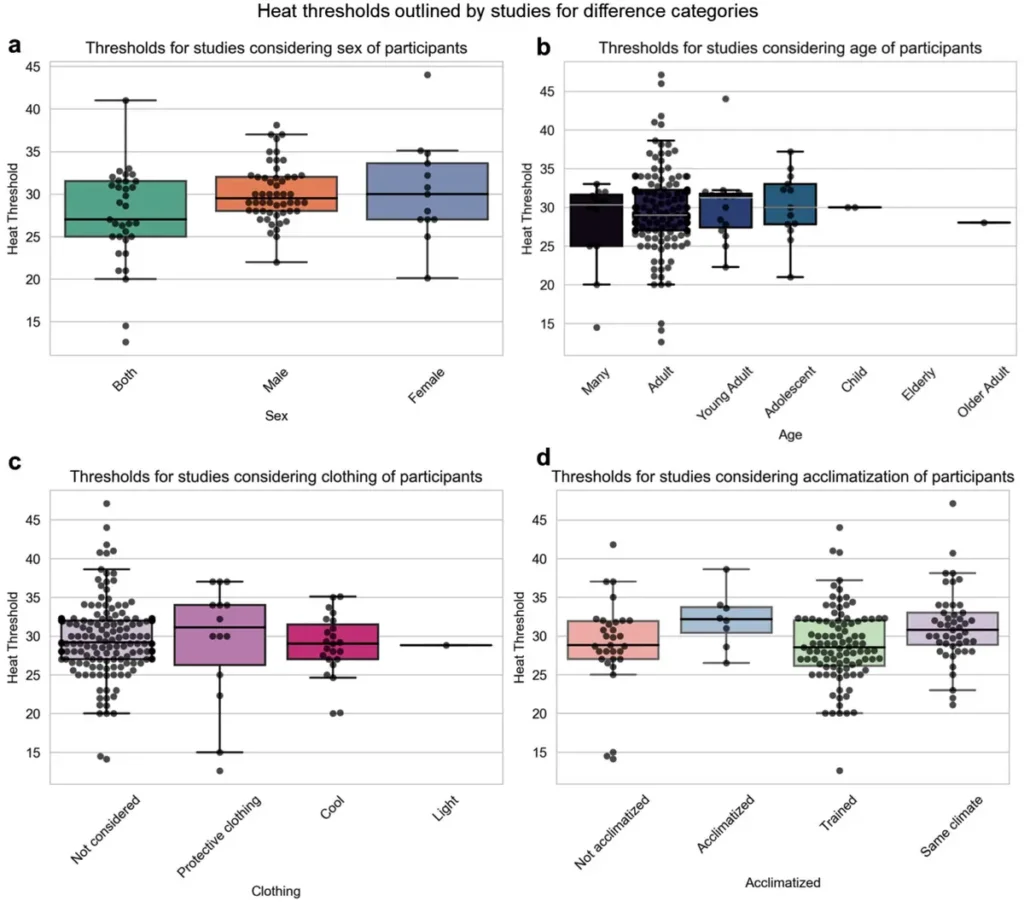
Generally, healthy adults, particularly those who are acclimatized to heat, are less susceptible to heat stress. Let's break that down:

- Healthy: This means no underlying medical conditions that compromise the body's cooling mechanisms. If you're generally fit and well, your body is better equipped to handle the heat.
- Adults: Developed bodies are better at regulating temperature than those of children and the elderly.
- Acclimatized to Heat: This is key! Someone who lives in a hot climate and spends time outdoors regularly will gradually adapt to the heat. Their bodies become more efficient at sweating, and their blood volume increases, helping them stay cooler. Think of someone who's lived in Arizona their whole life versus someone from Alaska visiting in July.
Imagine two people going for a run on a hot day. One person spends most of their days indoors, in an air-conditioned office, while the other works as a lifeguard at a local pool. Who do you think will handle the heat better? The lifeguard, almost certainly!
The Caveats, Because There Are Always Caveats
Even healthy, heat-acclimatized adults aren't invincible. Factors like hydration levels, clothing choices, and the intensity of the heat still play a crucial role. Even the most seasoned desert dweller can succumb to heatstroke if they don't drink enough water or overexert themselves.
And remember, everyone needs to be mindful of heat safety. Listen to your body, stay hydrated, seek shade, and don't push yourself too hard. Just because you're "less vulnerable" doesn't mean you're immune to the dangers of heat.
Why Should You Care?
Because even if you're the Tom cat chilling in the shade, someone you know might be the kitten struggling in the sun. Being aware of who's most vulnerable allows you to offer a helping hand, a glass of water, or just a friendly reminder to take it easy. Let's look out for each other and enjoy the summer safely!
So, next time the sun is blazing, remember that while no one is immune, awareness and preparation are your best defenses. Stay cool, friends!
