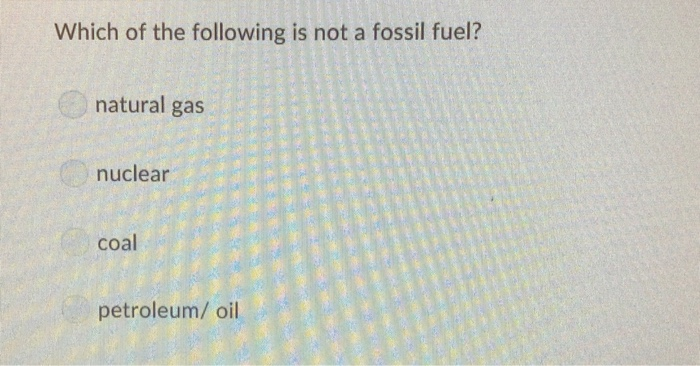
Which Fuel Is Not A Fossil Fuel
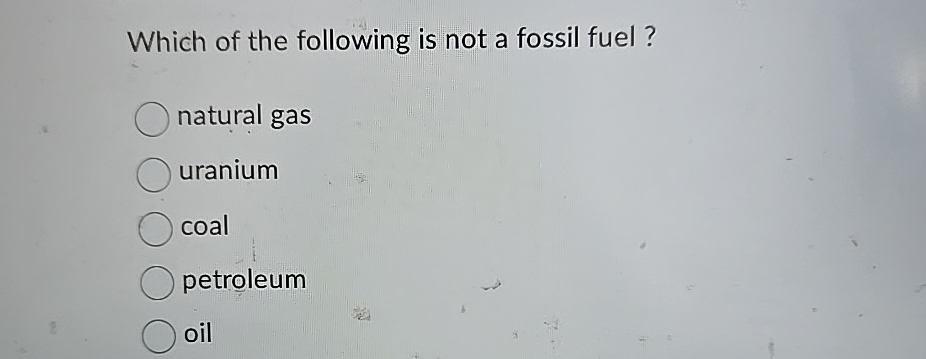
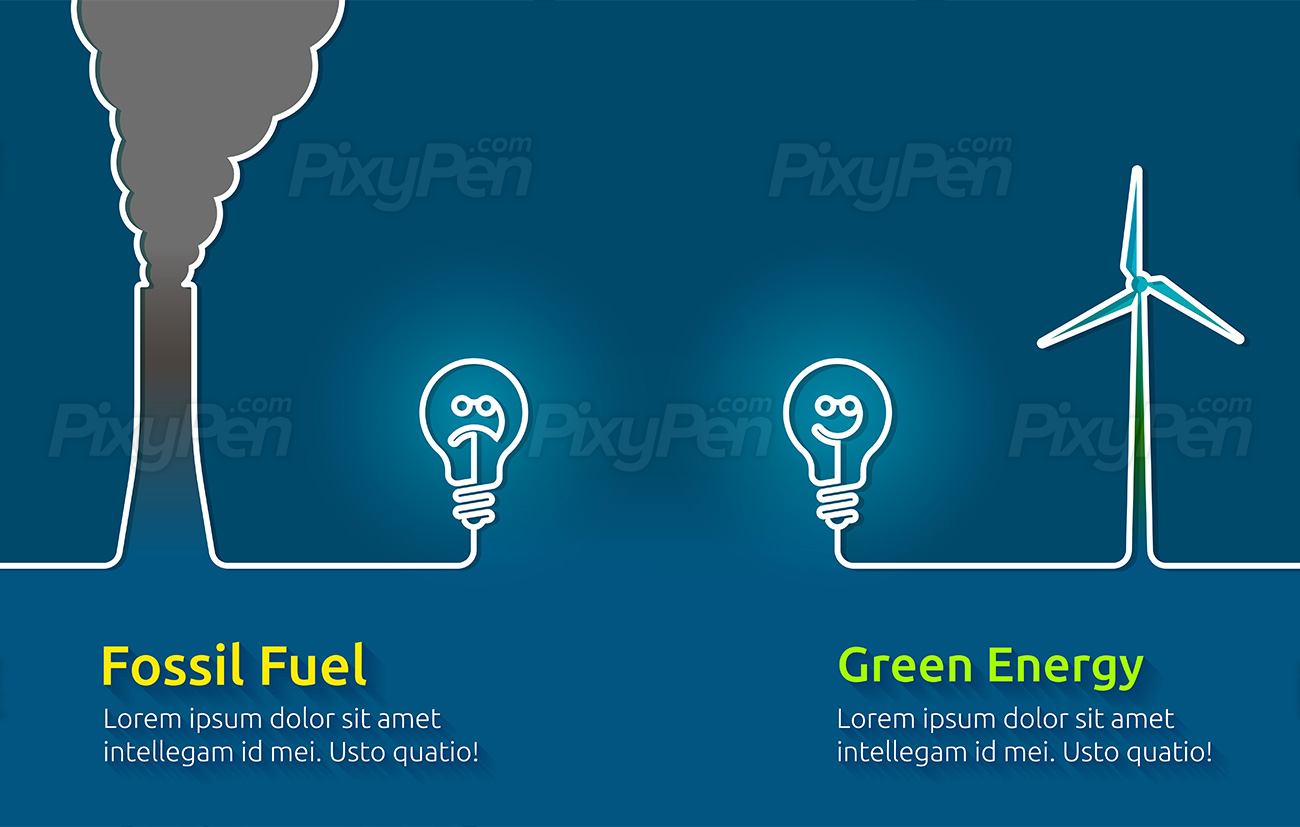
Hey there, ever find yourself pondering the world around you, maybe while filling up your car or looking at your energy bill? It's pretty clear that fuel keeps our modern lives humming, from getting us to work to powering our gadgets. But here's a fun thought: not all the energy we use comes from those ancient, buried dinosaurs (or rather, ancient organic matter that became oil, coal, and natural gas). In fact, there's a whole exciting world of fuels that are not fossil fuels! This topic is gaining huge popularity because it’s not just fascinating; it’s incredibly useful for understanding our planet's future and our role in it. It’s like a treasure hunt for cleaner, greener energy!
So, why dive into this topic? Well, for beginners, it's a fantastic way to grasp the basics of where our energy comes from and why sustainability matters. It demystifies terms like "renewable" and "green energy," making them easy to understand. For families, exploring non-fossil fuels offers a brilliant opportunity to teach kids about environmental responsibility, smart energy choices at home, and the exciting science behind innovations like solar power. Imagine discussing how the sun can power your lights! And for the inner hobbyist, this topic is a goldmine. Whether you're dreaming of a DIY solar charger for your phone, curious about electric vehicles, or just love staying informed about cutting-edge tech, understanding non-fossil fuels opens up a whole new realm of possibilities and projects.
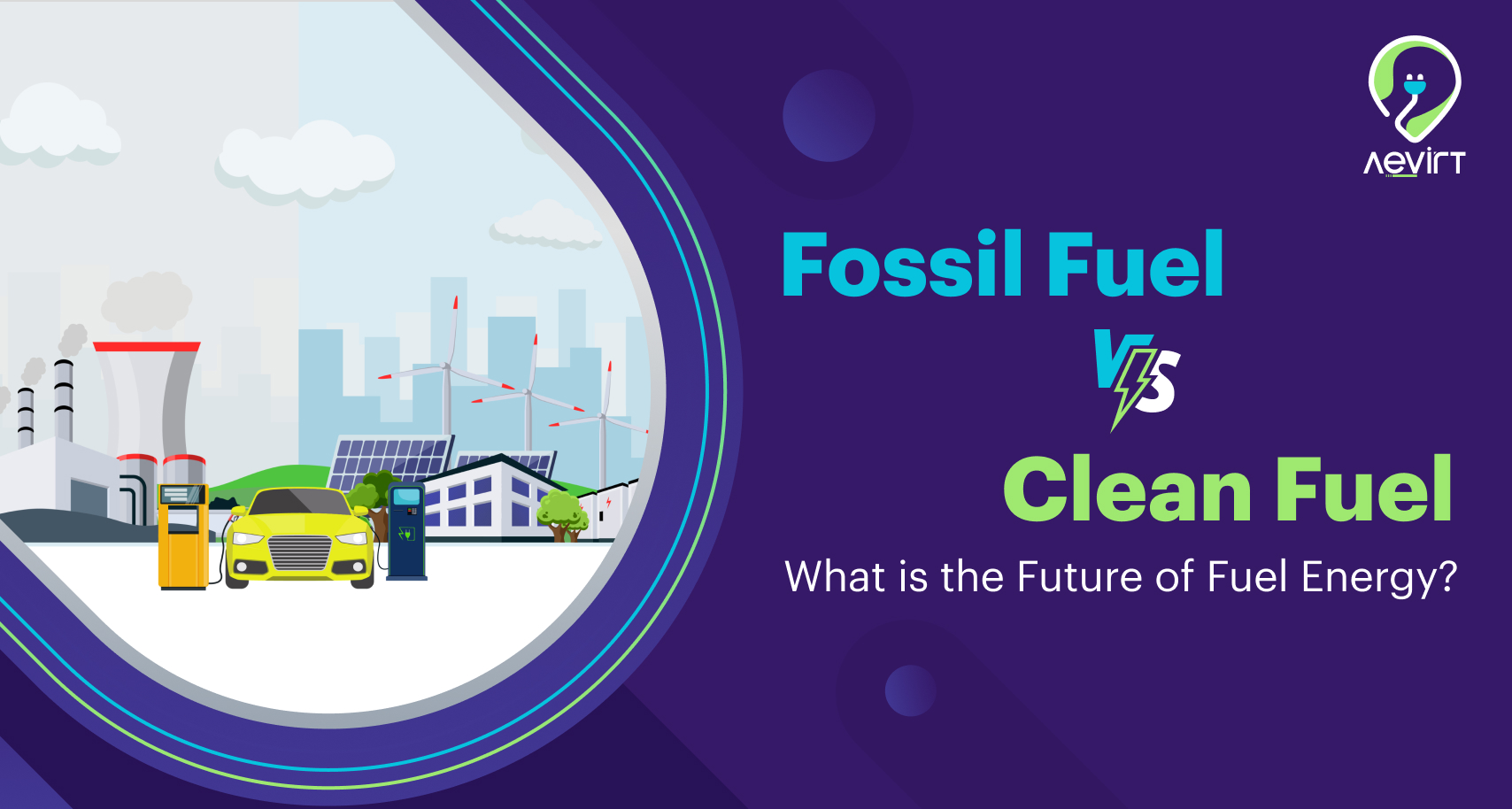
Let's talk about some cool examples, shall we? When we think of fuels that aren't fossil fuels, the big stars are often renewable energy sources. Think about solar power, harnessing the sun's incredible energy with photovoltaic panels. Or wind power, where giant turbines majestically capture the breeze to generate electricity. Then there's hydropower, which uses the natural flow of water, often from rivers or dams, to spin turbines. We also have geothermal energy, tapping into the Earth's own internal heat for power and heating. But what about actual combustible fuels? That's where biofuels come in! These are fuels derived from biomass – things like corn, sugarcane, algae, or even vegetable oil. We're talking about ethanol for cars or biodiesel for engines. And let's not forget about hydrogen fuel, which can be produced from water and burns with only water vapor as a byproduct – super clean!
Must Read
Ready to start exploring? It's easier than you think to make a difference and learn more. First, simply read up! There are tons of articles and documentaries online that make these complex topics accessible and engaging. Next, think about your own energy consumption. Could you turn off lights when you leave a room, or unplug chargers that aren't in use? These small actions reduce your overall energy demand, lessening the need for any kind of fuel. Consider supporting businesses that prioritize renewable energy, and if you're car shopping, research electric or hybrid options. Even discussing these ideas with friends and family can spark new interest and collective action. Every little step towards understanding and adopting cleaner energy contributes to a brighter, more sustainable future.
So there you have it! The world of non-fossil fuels is vibrant, innovative, and incredibly important. It's not just about saving the planet; it's about discovering ingenious ways to power our lives with what nature freely provides. There’s a real enjoyment in knowing you’re part of a solution, embracing a future that's both technologically advanced and environmentally friendly. Dive in, learn, and let the clean energy revolution inspire you!