Which Direction Should A Fan Turn In The Summer

Okay, let's talk fan direction. Because let's be honest, sometimes summer feels like you're living inside a giant, slightly damp, armpit. And nobody wants that. We're all just trying to survive without melting into a puddle of sweat and regret.
We've all been there, staring blankly at the ceiling fan, remote in hand, wondering: "Wait, which way is supposed to make me feel less like a soggy biscuit?" It's a question that plagues humanity right up there with "Where did I put my keys?" and "Is pineapple on pizza really that bad?" (The answer to that last one is yes. Objectively, yes.)
The Great Fan Debate: Clockwise or Counter-Clockwise?
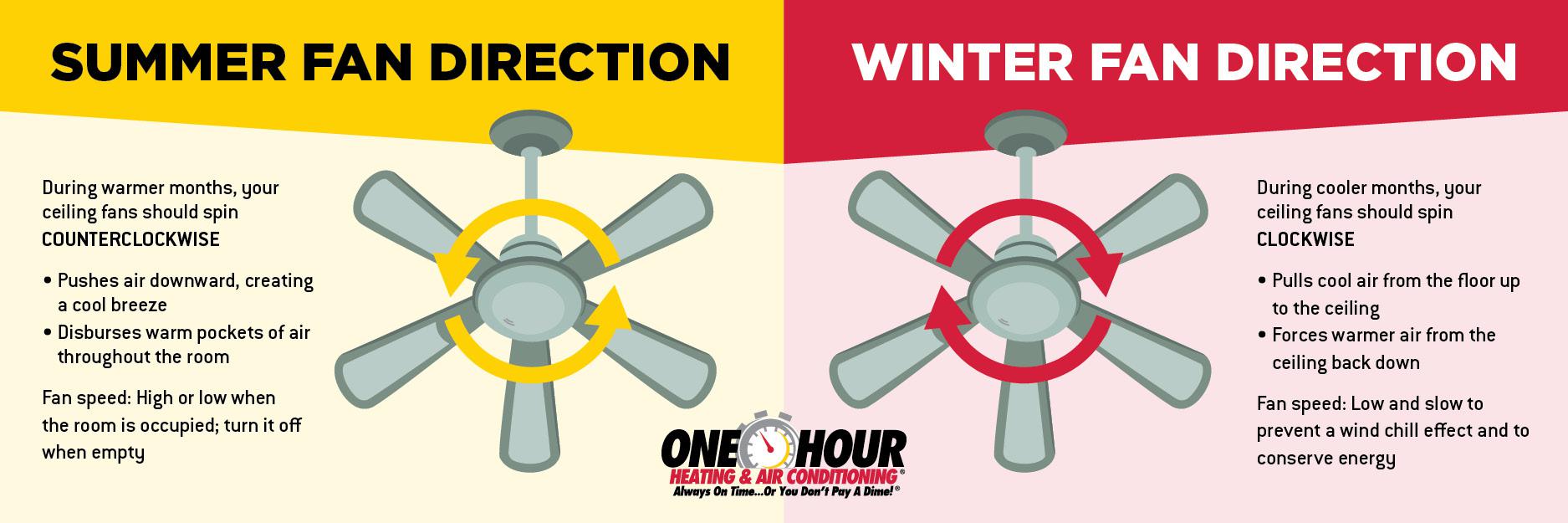
The key to summer comfort with a ceiling fan is this: You want that thing spinning counter-clockwise. Imagine it's a tiny, benevolent helicopter on your ceiling, gently pushing air down and creating a delightful breeze. This breeze evaporates sweat, making you feel cooler, even though the actual temperature hasn't changed. Think of it like faking it 'til you make it...but with thermodynamics!
Must Read
Why counter-clockwise, you ask? Well, most fans are designed so that when they spin counter-clockwise, the blades are angled to scoop the air downwards. It’s not some mystical magic; it's just good ol' physics. If you're standing underneath a fan turning the wrong way, you're essentially just giving the air a gentle stir, like a lazy bartender making a really bad martini. You’re not getting that sweet, sweet downward draft.
I remember one summer, I was absolutely roasting. I was convinced my AC was broken (again). Turns out, I had accidentally bumped the little switch on the fan housing and it was spinning clockwise. I was basically air-baking myself. The moment I switched it back, it was like a chorus of angels started singing and a tiny ice sculpture appeared on my forehead. Okay, maybe not that dramatic, but it was a noticeable difference. Trust me.
How to Tell Which Way Your Fan is Actually Turning (Without Getting Dizzy)
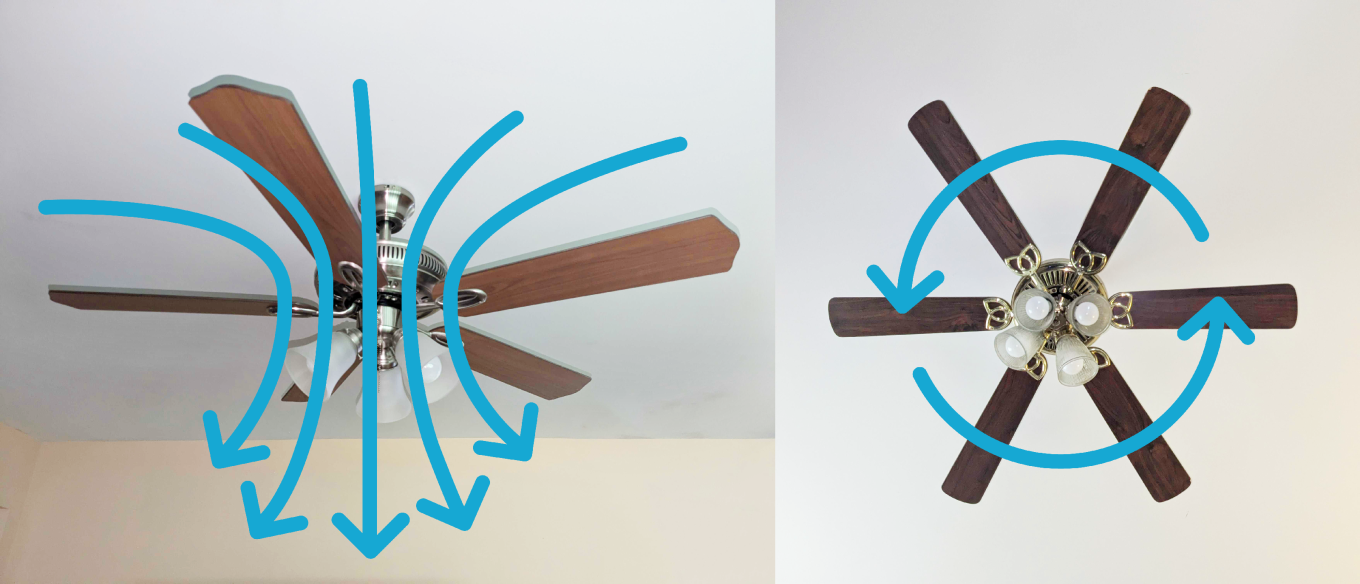
Here’s the lowdown: Stand beneath the fan. Look up. If the blades are moving to the left, you're in business. You're feeling that sweet, cooling breeze. If they're moving to the right, you're in a heat prison of your own making. Time to flip that switch! (Most fans have a small switch on the motor housing that controls the direction. It's usually next to the light pull.)
Still not sure? Try this: hold a piece of tissue paper under the fan. If the fan is working correctly, the tissue should be blown outwards and downwards. If it dances around aimlessly or gets sucked upwards, your fan is plotting against you and needs to be corrected.

Why Bother? (Besides Not Melting)
Besides the obvious benefit of feeling less like a human swamp monster, using your ceiling fan correctly can actually save you money. By circulating the air, you can often lower your thermostat a few degrees without sacrificing comfort. Think of it as giving your AC a little break. And we all know how grumpy AC units can get when they're overworked. It's like having a perpetually hangry toddler in your house.
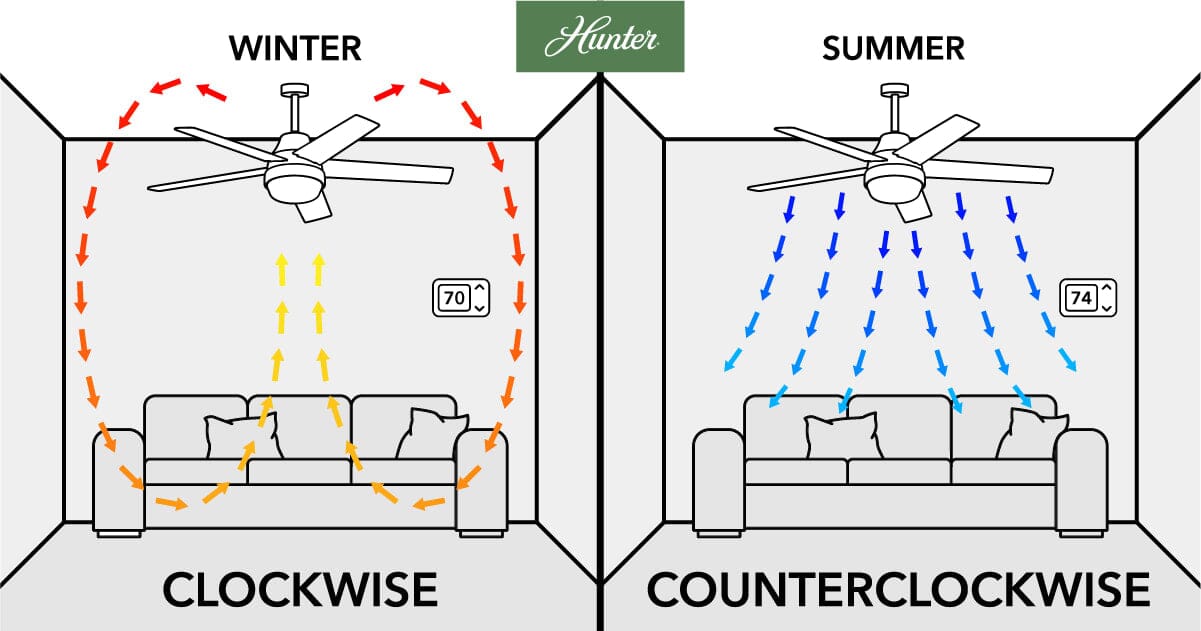
Consider this scenario. Your AC is set to 72, working overtime to keep the room at that temperature. But a properly-functioning ceiling fan in conjunction with turning up that thermostat to, say, 75 will have the same effect (if not better). The fan circulates the cold air, making the area feel cooler, with less energy expended.
Bonus Tip: Winter is Coming! (Eventually)
While we're on the subject, remember that in the winter, you want your fan to spin clockwise. This helps to gently pull cool air upwards, circulating the warm air that rises to the ceiling. This prevents that awful situation where your feet are freezing and your head is sweating. Clockwise is your friend in the colder months.
So, there you have it. The definitive (and hopefully slightly amusing) guide to fan direction. Now go forth and conquer the summer heat, armed with the knowledge of proper air circulation. And maybe invest in a good deodorant. Just sayin'.