Which Direction Should A Ceiling Fan Rotate
:max_bytes(150000):strip_icc()/ceiling-fan-rotate-direction-1907533-v4-5ba94e6346e0fb002576cebf.png)
Have you ever looked up at your ceiling fan and wondered if it was spinning the right way? It might seem like a trivial detail, but the direction a ceiling fan rotates can actually have a significant impact on your comfort and even your energy bill. Let's dive into the fascinating world of ceiling fan direction and figure out which way it should be spinning depending on the season!
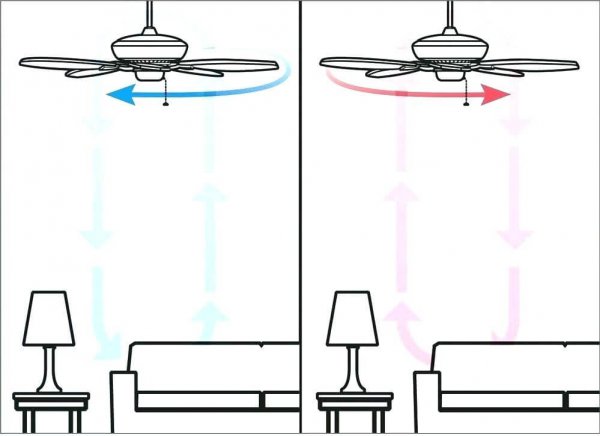
The primary purpose of a ceiling fan is to circulate air. In the summer, you want it to create a cooling breeze. In the winter, you want it to gently distribute warm air that rises to the ceiling. Achieving these goals requires understanding the simple science behind fan rotation.
During the summer, your ceiling fan should be rotating counter-clockwise when you're looking up at it. This creates a downward airflow, pushing air down and creating a breeze that helps evaporate sweat, making you feel cooler. Think of it like a gentle, personal wind current. This is particularly helpful in rooms that tend to get stuffy or where air conditioning isn't quite reaching.
Must Read
Conversely, in the winter, you want your ceiling fan to rotate clockwise at a low speed. This creates an upward airflow. Since warm air naturally rises, the fan gently pushes that warm air back down along the walls and into the room. This helps to even out the temperature and prevent the room from feeling cold near the floor and overly warm near the ceiling. This is crucial for saving energy, as it reduces the strain on your heating system.
The impact of fan direction extends beyond personal comfort. In educational settings, understanding air circulation is vital for efficient heating and cooling in classrooms. Proper fan usage can lead to a more comfortable and productive learning environment. In daily life, consider a scenario where you're baking. The oven heats up the kitchen. By adjusting your ceiling fan to rotate clockwise, you can help distribute the heat more evenly, making the whole process a little less sweltering.
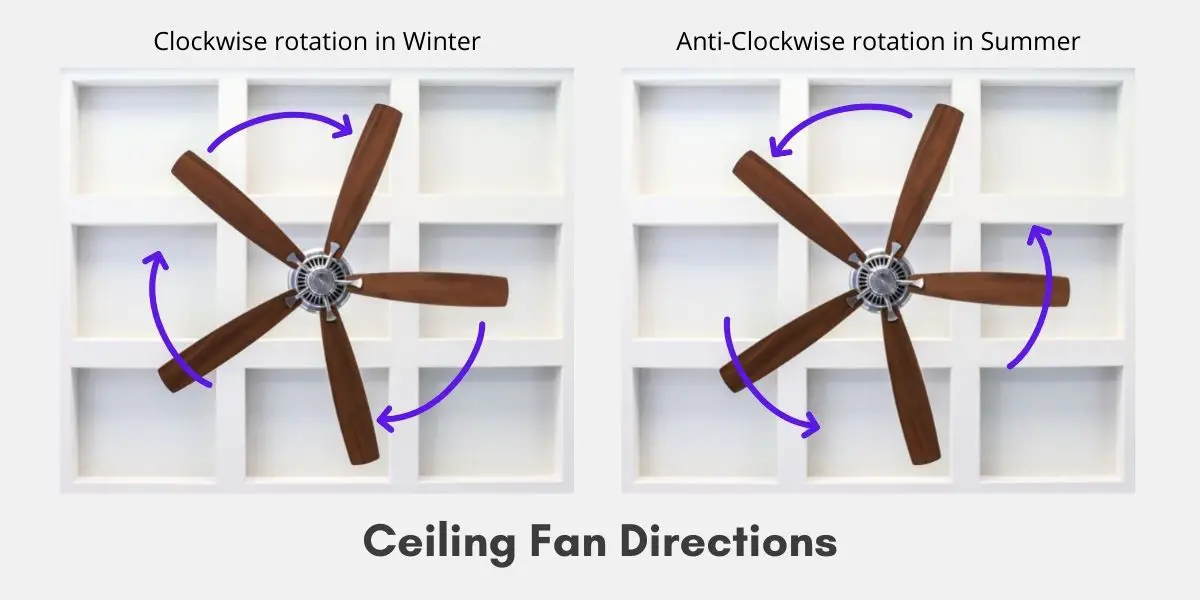
How can you tell which way your fan is currently rotating? The easiest way is to simply observe it. Stand under the fan and watch the blades. If it's unclear, most ceiling fans have a small switch located on the motor housing that controls the direction. Experiment with it! Try switching the direction and see how it feels. You'll likely notice a subtle but definite difference in the airflow. Remember to turn the fan off before flipping the switch for safety!
A fun way to explore this further is to use a simple piece of paper. Hold it under the fan in both directions and observe how the airflow affects it. Does it push the paper down or pull it up? This hands-on approach can help you better understand the principles at play. Ultimately, finding the right direction for your ceiling fan is about optimizing your comfort and maximizing energy efficiency. So, take a look up and give it a spin – you might be surprised at the difference it makes!