Which Direction Does A Ceiling Fan Turn In The Winter

Okay, let's be honest, ceiling fans aren't exactly the rock stars of home appliances. But, in the depths of winter, when you're battling that persistent chill, knowing which way to spin those blades can actually make a real difference! It's a simple tweak that can boost your comfort and even save you a few bucks on your heating bill. So, grab a mug of hot cocoa, and let's decode the ceiling fan's winter spin.
The key to understanding this whole ceiling fan winter magic lies in understanding heat rises. Hot air is less dense than cold air, so it naturally floats upwards, accumulating near the ceiling. In the winter, this means all that lovely warm air generated by your furnace or heater is just hanging out up there, doing absolutely nothing for you down where you're trying to stay cozy.
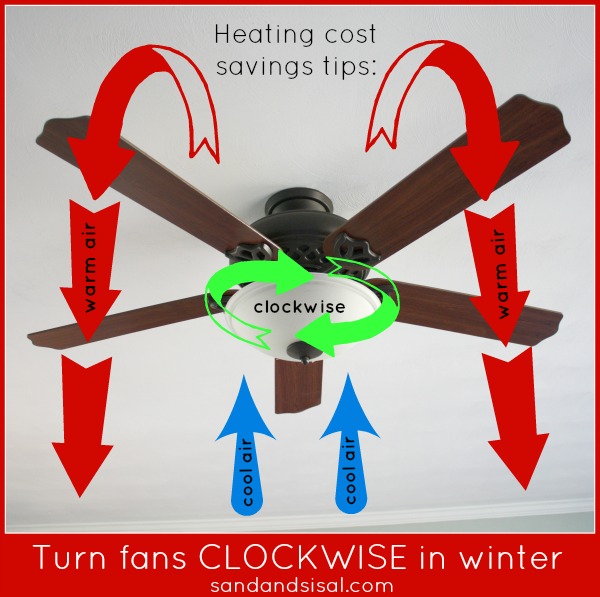
That's where the ceiling fan comes in! But not in the way you might think. During the summer, you want the fan to blow air downwards, creating a cool breeze. But in the winter, you want it to do the opposite: gently pull air upwards. This forces the warm air trapped near the ceiling down into the living space.
Must Read
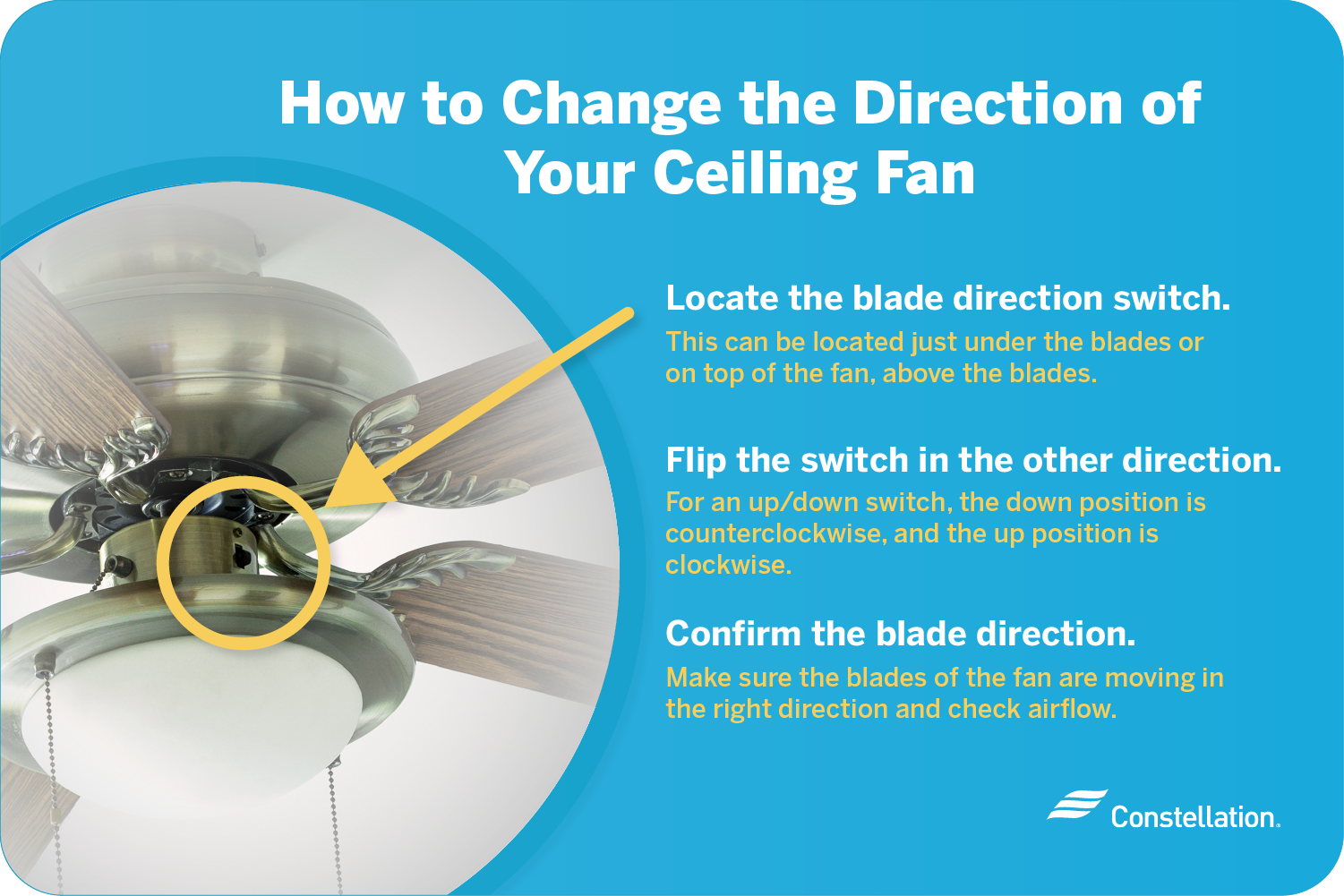
So, which direction should your ceiling fan turn in the winter? The answer is clockwise (when looking up at the fan). Most ceiling fans have a small switch, usually located on the motor housing, that allows you to reverse the direction of the blades. Consult your fan's manual if you're not sure where the switch is located.

Why clockwise? When the fan is set to spin clockwise, it creates a gentle updraft. This updraft is crucial because it doesn't create a noticeable breeze. You don't want to feel a chilling wind blowing on you! The goal is simply to circulate the air, not create a personal Arctic blast.
What are the benefits of running your ceiling fan in reverse during the winter? The biggest benefit is improved energy efficiency. By distributing the warm air more evenly throughout the room, your heating system doesn't have to work as hard to maintain a comfortable temperature. This can translate into noticeable savings on your energy bill. You'll also experience a more consistent temperature throughout the room, eliminating those cold spots near the floor.
Important tips to remember: keep the fan on a low speed. You're not trying to create a hurricane; you just want gentle circulation. Also, it’s best to use this strategy in rooms with high ceilings, where the temperature difference between the ceiling and floor is most pronounced. If you have low ceilings, the effect might be less noticeable.
So, before you crank up the thermostat this winter, take a minute to check your ceiling fan. Flipping that little switch and running it in reverse could be the easiest and most effective way to stay warm and comfortable all season long. Who knew such a simple adjustment could make such a big difference? Stay warm, and happy spinning!