
Which Cutting Tool Requires The Most Training To Use
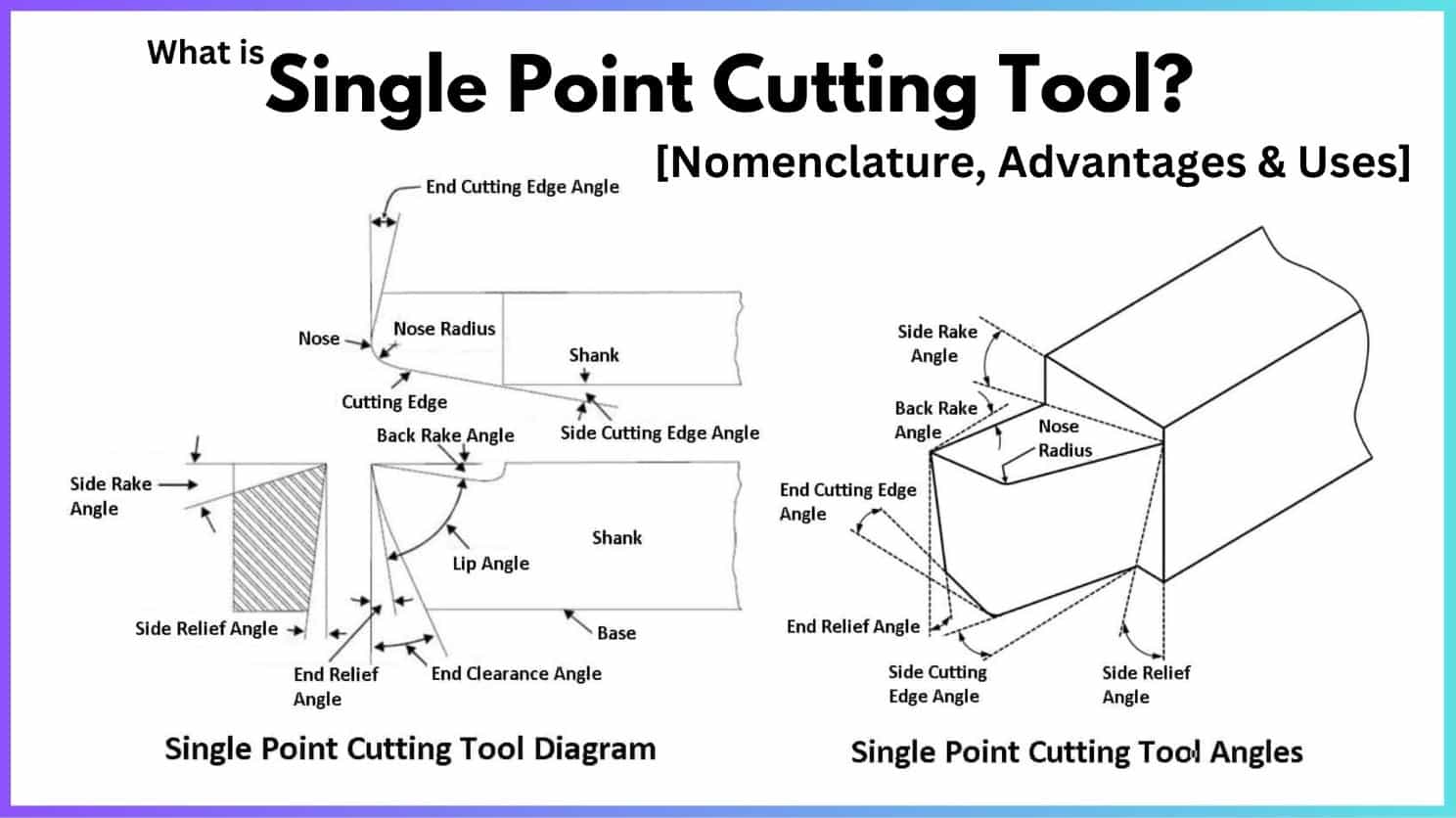
Alright, gather 'round, folks! Let's talk about sharp things. We've all wielded a butter knife with questionable results, right? Maybe even bravely faced a paring knife, feeling like a culinary ninja. But today, we're diving into the deep end: Which cutting tool demands the most respect, the most training, and possibly a tiny offering to the tool gods before you even think about touching it?
I'm here to tell you, it’s not your grandma’s sewing scissors. (Though, let’s be honest, those things are deceptively sharp. Don't run with them!). Nor is it the pizza cutter, even though a bad pizza cut can ruin a Friday night. No, my friends, we need to think bigger... and potentially more industrial.
We need to talk about lasers.
Must Read
Yes, lasers! I know, I know, you’re probably picturing Dr. Evil and his poorly-aimed laser beam from Austin Powers. But in reality, laser cutting is a massively important process used in everything from making car parts to crafting intricate jewelry. And, let me tell you, it requires serious dedication to master.
Think about it: you're essentially wielding concentrated light energy capable of vaporizing metal. One wrong move, and you’re not just messing up a project; you could be staring down a serious injury (or worse – melting someone's stapler collection). Seriously, have you seen the safety protocols around these things? It's like prepping for a nuclear launch...but for cutting sheet metal.

Why Lasers Are the Training Gauntlet
So, why do lasers reign supreme in the "most training required" arena? Here's the breakdown:
First off, there's the physics. You can't just point and shoot. You need to understand wavelength, frequency, power output, material properties, focal length… basically, you need to become a mini-Einstein. Remember high school physics? Yeah, you actually have to use that stuff. Sorry.
Then there's the software. Modern laser cutters are computer-controlled, meaning you have to be proficient in CAD (Computer-Aided Design) software to even tell the laser what to cut. It's like trying to draw a masterpiece using only Microsoft Paint... except if you mess up, the "masterpiece" might set your workshop on fire.
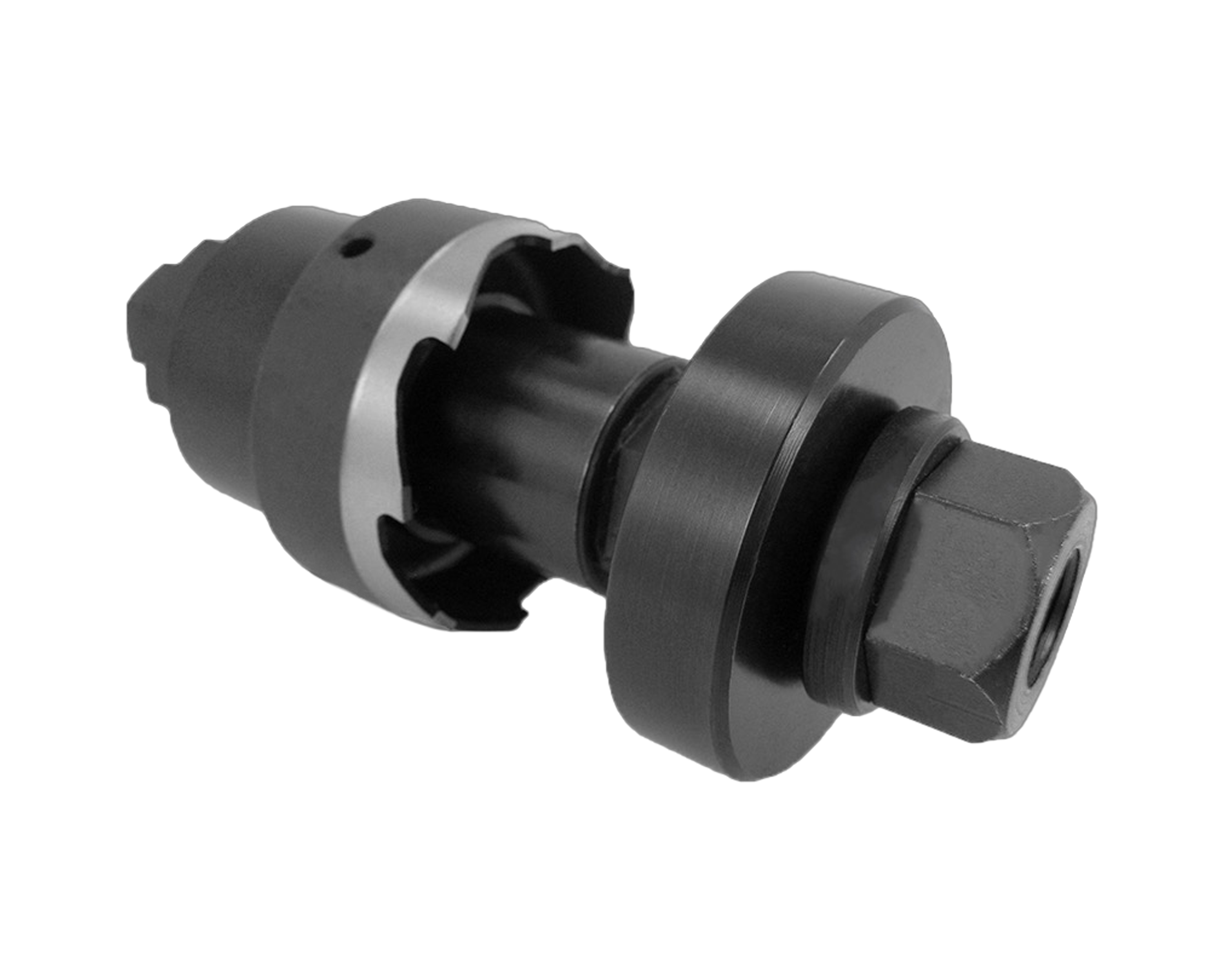
And let’s not forget about safety. This is huge. We're talking about specialized eye protection, proper ventilation to remove toxic fumes, fire suppression systems… You're basically running a miniature hazardous materials lab. Forget wearing flip-flops – you need a full-on Hazmat suit just to change the cutting nozzle.
Material Science 101: Different materials react differently to lasers. Aluminum? Tricky. Steel? Requires a specific approach. Wood? Depends on the type. The learning curve is steep because you need to know how different materials absorb laser energy and how that affects the cutting process.
Speaking of materials, a fun (and terrifying) fact: did you know that some materials can reflect laser beams? Imagine accidentally creating a laser light show inside your workshop, bouncing around like a disco ball of doom. Not ideal.

Other Contenders for the Cutting Throne
Okay, okay, maybe you’re thinking, "Lasers are cool and all, but aren't there other tools that require tons of training?" Fair point. Let's consider a few honorable mentions:
*Surgical Scalpels: Precision is key, and the stakes are incredibly high. But while surgeons undergo years of medical school, the actual scalpels themselves are fairly straightforward to use. It's the knowing where to cut that's the real challenge, not the tool itself. Still, one wrong slip and…well, let’s not go there.
*Waterjet Cutters: Similar to lasers, waterjet cutters use computer-controlled precision to blast materials with a high-pressure stream of water (often mixed with abrasive grit). They can cut virtually anything, but require careful calibration and maintenance. Think of it as laser cutting’s slightly less terrifying, water-based cousin.
![Single Point Cutting Tool Vs. Multi Point Cutting Tools [PDF] - Design](https://sp-ao.shortpixel.ai/client/to_auto,q_glossy,ret_img,w_650,h_450/https://dizz.com/wp-content/uploads/2023/09/Multi-Point-Cutting-Tool.webp)
Diamond-tipped Glass Cutters: Sounds simple, right? Just score the glass and snap it. But achieving a clean, predictable break requires a delicate touch and a deep understanding of glass properties. Mess it up, and you'll end up with a jagged, unusable mess and potentially a trip to the emergency room.
The Verdict
Ultimately, while all these tools demand respect and a degree of skill, the sheer complexity of laser cutting – the physics, the software, the safety protocols, and the material science – makes it the undisputed champion. It's not just about making a clean cut; it's about understanding the fundamental principles behind how the cut is being made.
So, the next time you see a beautifully laser-cut piece, take a moment to appreciate the expertise and training that went into creating it. And maybe, just maybe, thank the tool gods for keeping the operator safe.
Now, if you'll excuse me, I need to go find a pair of safety goggles. You know, just in case my butter knife gets a little too ambitious.