Which Country Is The World Leader In Wind Energy
Ever feel a strong gust of wind and think, "Wow, that's powerful!"? Well, you're right! That power can be harnessed, and countries around the world are racing to do just that using wind energy. It's a fascinating topic because it highlights how we're striving for a more sustainable future, and understanding who's leading the charge in wind energy gives us a glimpse into what that future might look like. It's not just about giant turbines; it's about innovation, policy, and a commitment to cleaner energy sources. Learning about this topic is fun because it's a real-world example of how science and technology are tackling big global challenges.
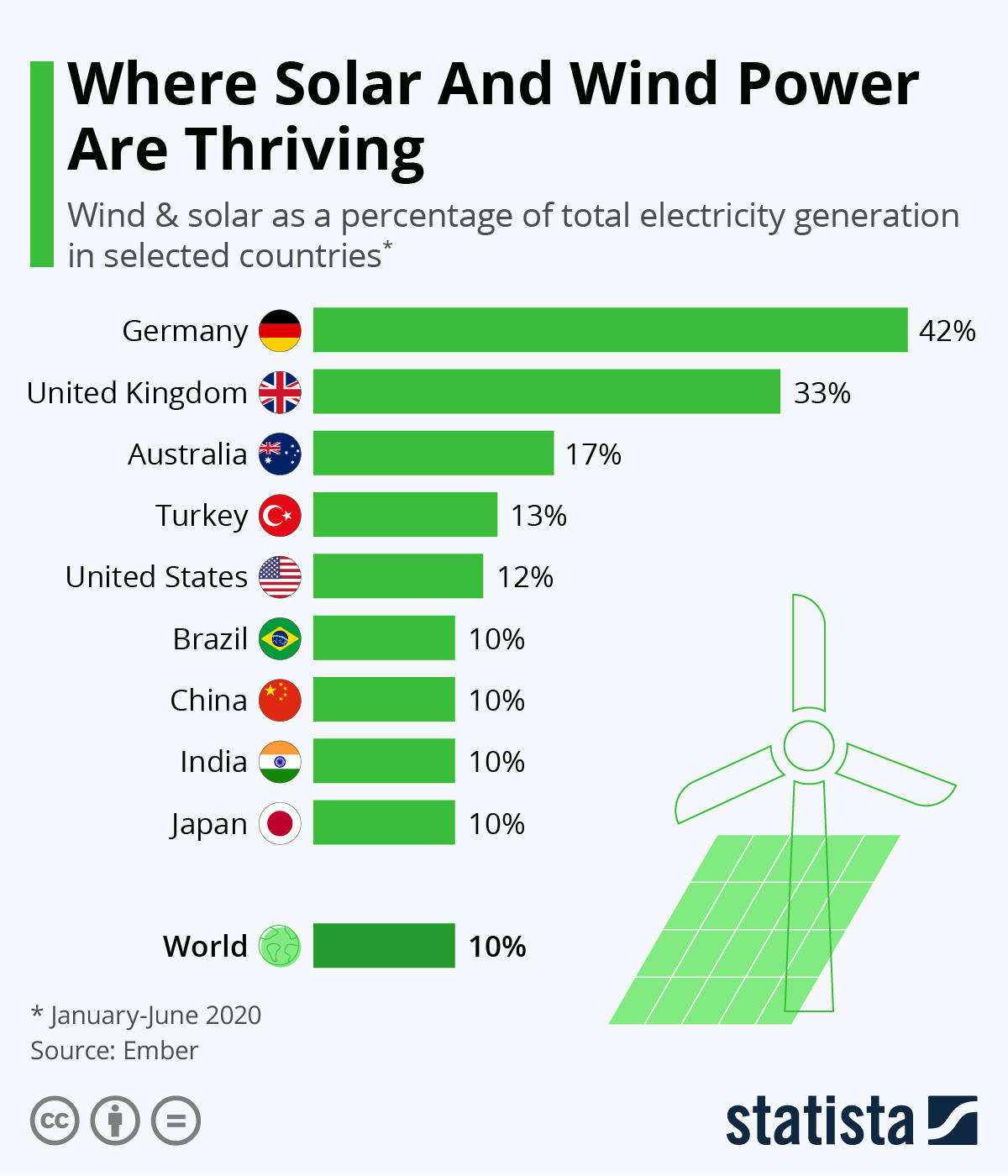
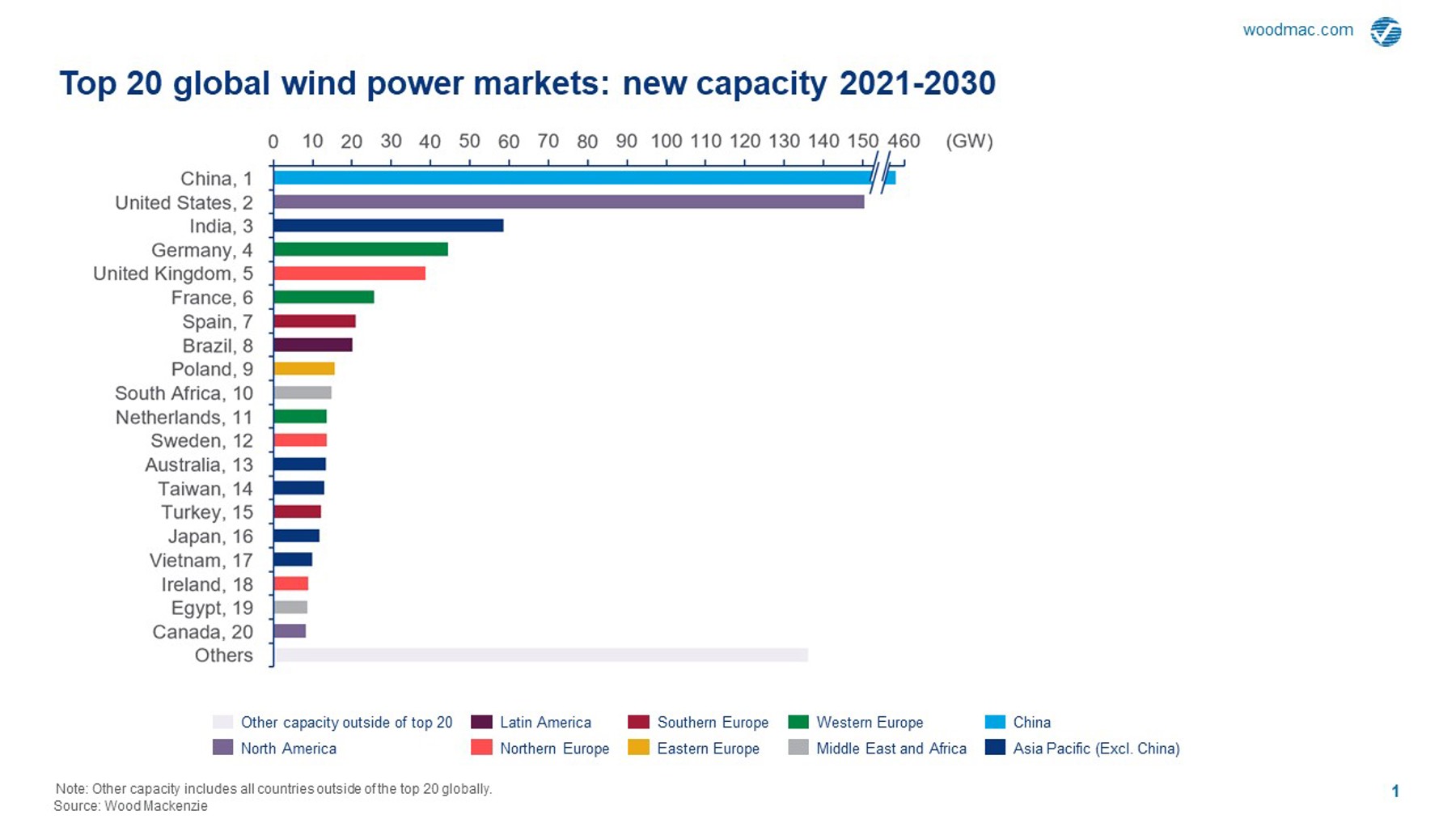
So, which country is the undisputed champion of wind energy? While it's a dynamic race, the current world leader in wind energy capacity is China. That's right, China has invested heavily in wind power and boasts the largest installed capacity by a significant margin. It’s important to remember that installed capacity isn't the only metric. Other important considerations include the percentage of energy generated from wind relative to total consumption and technological advancement within the sector.
But why is wind energy so important? The purpose of wind energy, at its core, is to generate electricity without burning fossil fuels. This has huge benefits. Firstly, it reduces our reliance on finite resources like coal and oil. Secondly, and perhaps more importantly, it dramatically decreases greenhouse gas emissions, helping to combat climate change. The benefits extend beyond the environmental sphere. The wind energy sector creates jobs in manufacturing, installation, maintenance, and research. Furthermore, countries investing in wind energy are bolstering their energy security, becoming less vulnerable to fluctuations in global fossil fuel markets.
Must Read
You might encounter wind energy concepts in education. In science class, you might learn about how wind turbines work, converting kinetic energy into electrical energy. In geography, you might discuss the optimal locations for wind farms, considering factors like wind speed and terrain. In social studies, the socio-economic impacts of renewable energy projects might be explored. In daily life, you might see wind turbines while driving through rural areas, or perhaps your home is powered by a utility company that sources some of its electricity from wind farms. Many schools and businesses are also increasingly installing small-scale wind turbines for their own energy needs, showing a tangible commitment to sustainability.
Want to explore wind energy further? There are simple ways to get started. A great starting point is to research the wind energy projects in your local area or region. See if you can find information about their capacity, environmental impact, and community benefits. Many energy companies offer online resources and virtual tours of their wind farms. Another practical tip is to investigate the energy sources that power your home or business. Could you switch to a provider that offers a larger percentage of renewable energy? Finally, consider supporting policies that promote renewable energy development. Even small actions can contribute to a larger movement towards a cleaner and more sustainable energy future. So, next time you feel that gust of wind, remember the power it holds and the potential it has to shape our world.