
Where Was The Nearest Lightning Strike
Ever stood by a window during a summer storm, watched the sky crackle, and then heard that booming rumble? It’s a primal experience, isn't it? We all instinctively wonder, "How close was that?"
For most of history, that question remained a mystery. We could guess, we could feel the ground shake, but pinning down the exact spot where nature's most dramatic spark hit was pure guesswork. Not anymore!
The Invisible Map of Lightning
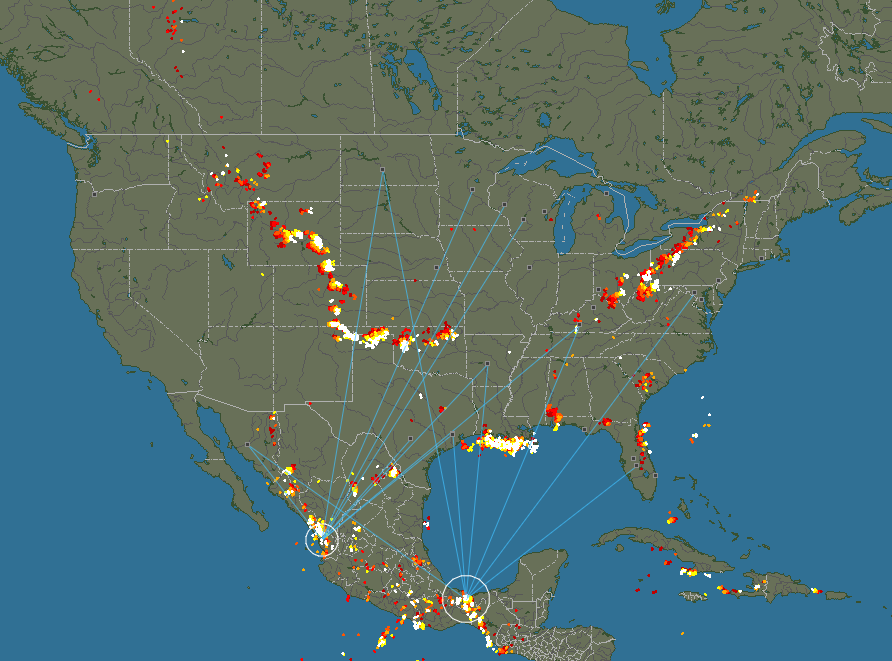
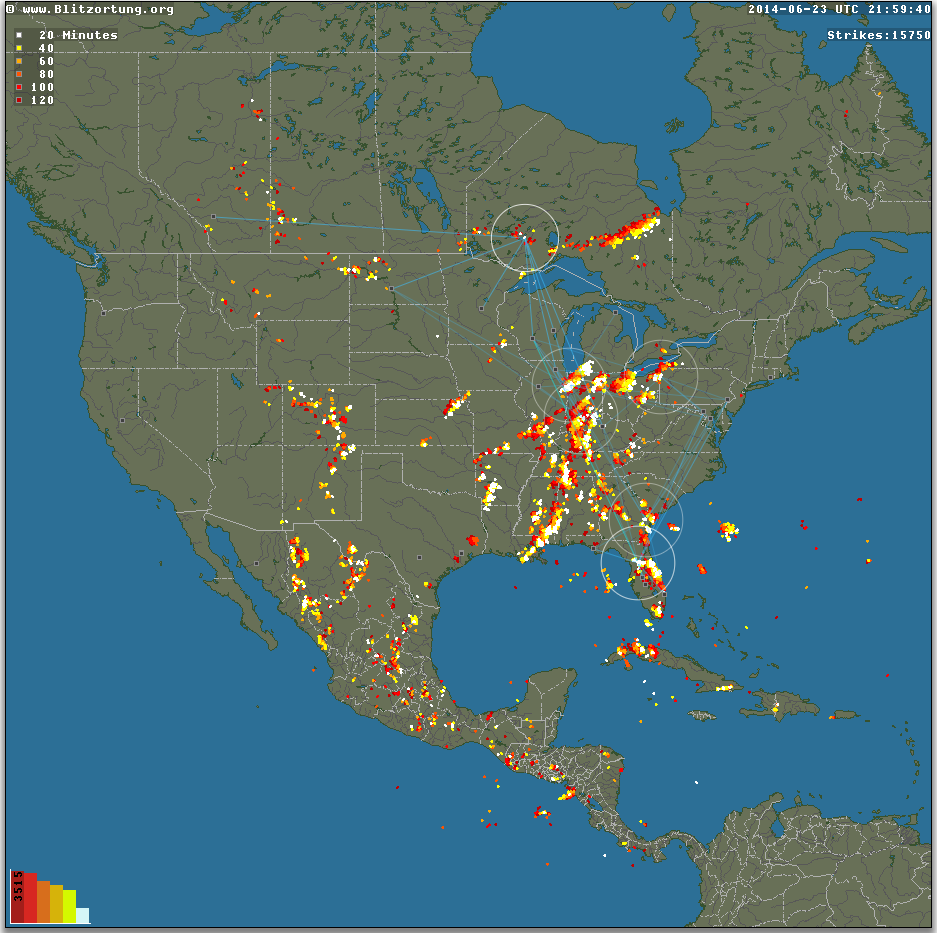
Today, thanks to some clever technology, we can actually track lightning strikes with astonishing precision. It’s like having an invisible, real-time map showing every single flash across the globe. Imagine that!
Must Read
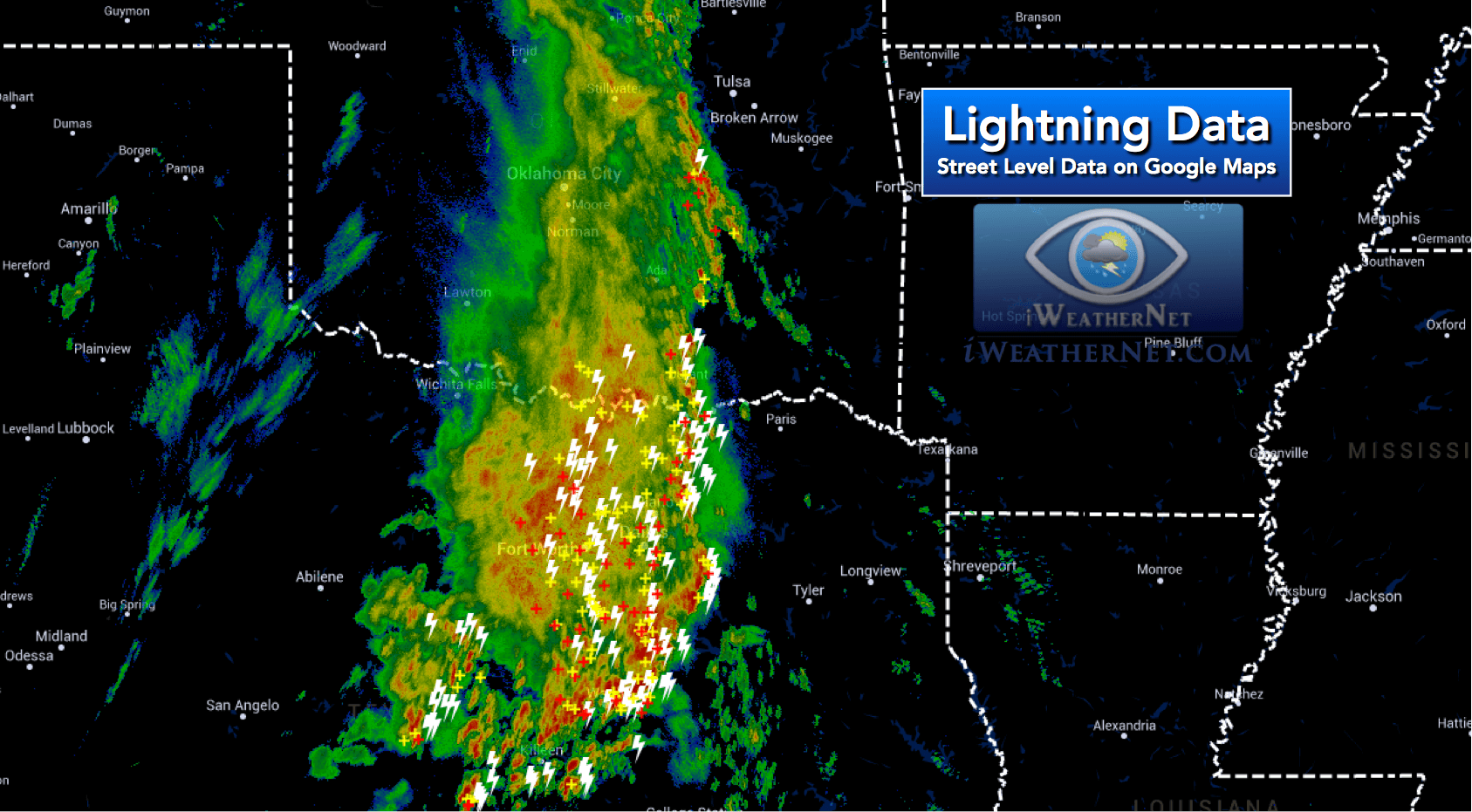
Suddenly, that distant flash isn't just a general direction; it's a pinpoint on a map, often accurate to within mere feet. You can zoom in and see exactly which tree, which field, or even which very specific patch of ground took the hit. It's a game-changer for anyone who loves a good storm.
This modern marvel transforms our understanding of thunderstorms from a generalized atmospheric event into a series of incredibly specific, powerful interactions. It's like getting a secret playbook for nature's grandest spectacle.
Finding Your Own "Ground Zero"
One of the most surprising things about this tracking ability is discovering just how close lightning might have struck to your own home. Often, we assume it's always far off in the distance, striking tall mountains or open plains where no one lives. But sometimes, it's startlingly close.
Perhaps it zapped the old oak tree three blocks away, the one you pass every morning on your way to work. Or maybe it was that particularly tall antenna on your neighbor's roof that got the sudden jolt! The data reveals lightning often has a quirky sense of humor, striking places you’d least expect in your own community.
"It wasn't even raining hard here, but apparently, a massive bolt hit the old barn on Miller's farm just down the road! Who knew we were that close to the action?"
These near misses, often entirely unseen or unheard by us in the moment, happen more frequently than you’d think. Discovering this proximity gives you a whole new, respectful understanding of the immense power unfolding above our heads. It’s a humbling reminder of nature's unpredictable artistry.
The sheer shock of seeing a strike point less than a mile away, in a spot you frequent, can be quite exhilarating. It's a jolt of reality, wrapped in a blanket of wonder and slight amusement.
Nature's Quirky Targeting System
Lightning doesn't always go for the tallest structure, though they are often preferred targets. While tall objects are indeed more likely to be struck, lightning has a surprising knack for hitting the most unexpected, almost comically random, places. It's not always a skyscraper or a massive transmission tower.
Think about it: a golf course flagpole swaying gently in the wind, a solitary park bench under a small shrub, or even just a random stretch of perfectly flat pavement. These moments are where the humorous aspect of lightning tracking truly shines. You can almost imagine lightning saying, "Surprise! I pick you!"
Stories emerge of bolts striking a lone, seemingly insignificant garden shed in an open field, or perhaps a particularly ambitious sunflower in someone's backyard that dared to grow just a little too high. The sheer randomness of these choices can be quite amusing, turning the raw power of a storm into a whimsical, if dramatic, spectacle. It defies our expectations of logic.
The Unexpected Victim
I once heard about a strike that landed squarely on a metal mailbox in a quiet suburban street. The owners came out the next morning to find their mailbox, usually a stoic sentinel for letters, looking like it had seen a ghost – or rather, felt a massive jolt. Thankfully, no one was hurt, but the mailbox certainly needed replacing.
These kinds of stories are priceless. They remind us that nature's forces are not only immense but also wonderfully unpredictable and, sometimes, a little bit silly in their choice of target. Who would expect a humble mailbox to become a brief, unwitting conduit for thousands of volts from the sky?
Another time, a farmer discovered a perfect circular scorch mark, about the size of a small car, in the middle of an otherwise pristine pasture. There were no apparent tall objects or fences nearby. It was as if lightning had simply pointed its invisible finger from the clouds and said, "Right there, for no particular reason!"
Imagine a bolt hitting the corner of a swimming pool, boiling a tiny section of water instantly, or perhaps singeing the very tip of a weathered weathervane. These specific, sometimes comical, strike points add a rich tapestry to our understanding of storms.

A New Lens for Storm Watching
Knowing exactly where the nearest lightning strike was changes how we interact with thunderstorms in a profound way. Instead of just huddling indoors with a general sense of unease, we can now appreciate the dynamic dance happening outside with a thrilling new level of understanding. It adds a layer of genuine fascination.
Many modern weather apps and sophisticated websites now offer real-time lightning maps, updating minute by minute. You can literally watch the storm unfold, seeing each strike appear as a bright, transient dot almost instantly after you hear the thunder. It's like having a superpower, seeing the invisible action of the sky.
This granular insight turns a potentially scary or intimidating natural event into an educational and truly awe-inspiring one. It demystifies lightning a little, making it more comprehensible, while simultaneously making its sheer power and beauty even more impressively tangible. You become a casual meteorologist-in-training, right from the comfort and safety of your sofa.
Sharing the Shock and Awe
Imagine telling friends, "Remember that huge, window-rattling crack of thunder last night? Well, I checked the lightning map, and the strike was actually right on the old water tower down by the highway!" It never fails to spark conversation and wide-eyed amazement.
These snippets of precise information become fun, slightly dramatic anecdotes to share at coffee breaks or family dinners. They're not just about dry weather facts; they're about the surprising, sometimes humorous, interactions between immense natural power and our very familiar, everyday world. It's a connection we rarely get to consider so directly.

It’s a fantastic way to bond over the shared experience of a storm, adding a fact-based, often astonishing, punchline to the usual "Boy, that was loud!" remark. It brings the storm closer to home, in a safe, intriguing, and memorable way for everyone involved.
Respecting Nature's Power (with a Smile)
While we can marvel endlessly at the precision of the tracking data and the quirky stories it reveals, it’s always vitally important to remember the immense, raw power of lightning. It’s undeniably beautiful to watch from a distance, but it’s still an incredibly dangerous phenomenon up close. So, while we're enjoying the "where did it hit?" game, we always make sure to stay safe indoors.
Knowing exactly where strikes occur can also be surprisingly helpful for things beyond mere curiosity, like planning outdoor events for large crowds, or understanding precisely why power might flicker or go out in a specific neighborhood. It's not just a parlor trick; this detailed information has very real and valuable practical implications too.
But mostly, for many of us, it's about the pure wonder of it all. It’s about pulling back the curtain on one of nature's most dramatic and ancient shows and seeing the intricate, sometimes whimsical, details of its unpredictable artistry. It encourages a healthy respect for our planet's forces.
"Every thunderclap tells a story, a split-second narrative of energy and impact, and now, we have the map to find its exact plot point on the Earth's surface."
So, the next time a storm rolls in and the sky puts on its electrifying, breathtaking display, remember the invisible map and the incredible technology behind it. Wonder about where that nearest strike might be, and truly enjoy the magical, slightly eccentric, and undeniably mighty power of our planet. It’s truly a remarkable and enjoyable new perspective on something so ancient, so powerful, and so fundamentally part of our world.