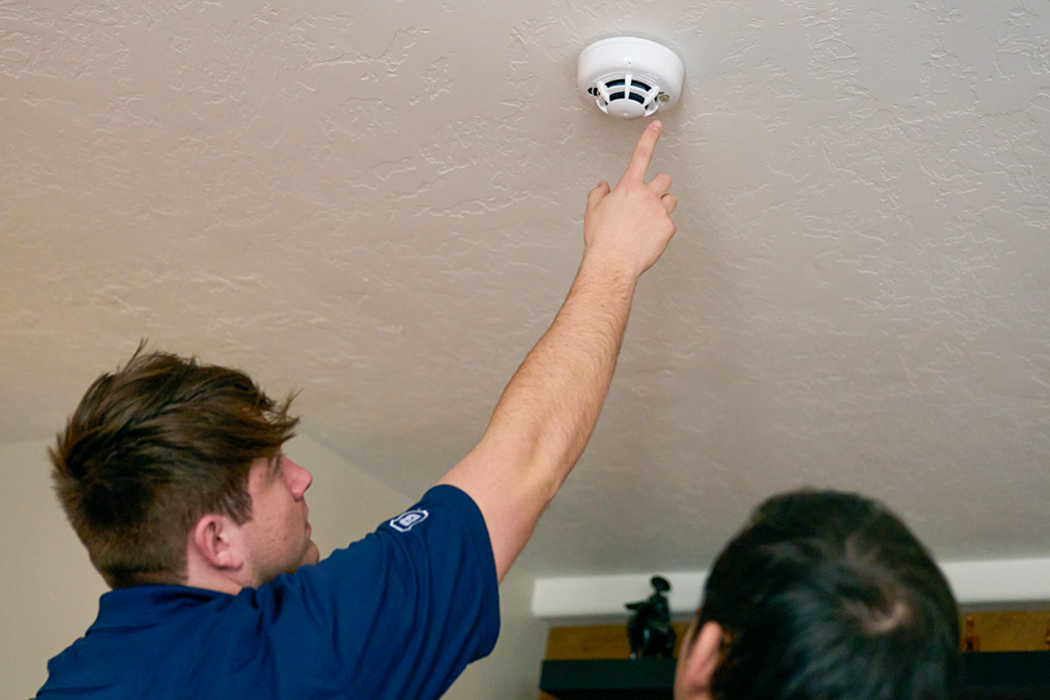
Where To Install A Carbon Monoxide Detector
/Carbon-Monoxide-Detector-GettyImages-200551076-001-58bcddec3df78c353ca5c22e.jpg)
Hey there! Ever thought about an invisible guest in your home? It’s odorless, colorless, and super sneaky. We're talking about carbon monoxide, or CO for short. It's a gas that can be really dangerous if it builds up. But don't you fret! There's a simple hero ready to protect your space: the carbon monoxide detector. Putting this little gadget in just the right spot is like giving it superpowers. Let's find out where to place it so it can do its very best work!
The Sleepy Zone is Key
Imagine you're all tucked in, drifting off to dreamland. CO can quietly creep into your home unnoticed while you're fast asleep. This is precisely why putting a detector near your bedrooms is super, super important. Think of it as a vigilant guardian for your family while you slumber. Many experts strongly suggest placing one within 10-15 feet of each sleeping area. This often means in hallways right outside individual bedrooms, or even inside larger open master bedrooms. You want that peace of mind where it matters most, when you’re most vulnerable.
"Safety truly begins where you lay your head to rest."
Having a detector here ensures you get that crucial early warning. It’s like having a friendly sentinel always on duty, even when you’re not.
Must Read
Every Level Counts
Your home likely has different floors, right? Carbon monoxide doesn't always stay put; it can travel and mix with the air. That's why you need a detector on every single level of your home. Yes, even your basement! This is especially true if you have fuel-burning appliances down there, like a furnace or water heater. And don't forget the main living floor and any upper floors where bedrooms might be. It’s like having extra sets of eyes and ears all over the house, keeping a full-scale watch. A good rule of thumb? Aim for one detector per floor for complete coverage and absolute peace of mind.
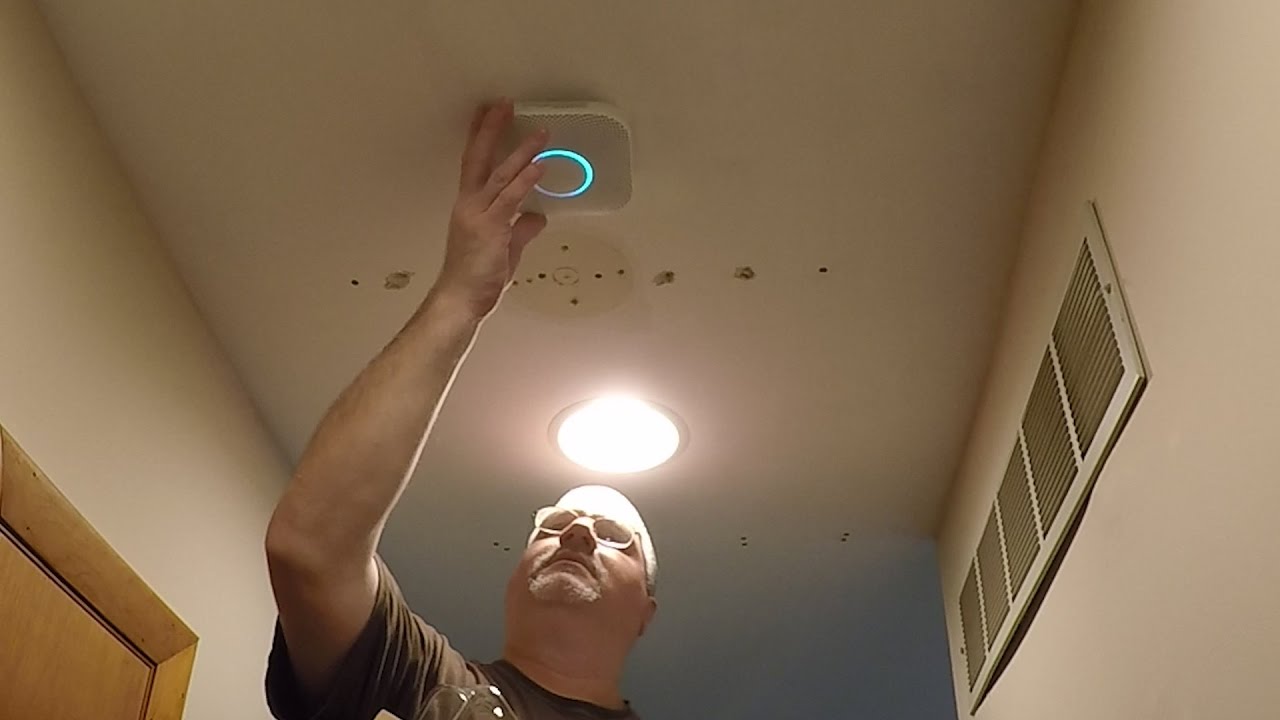
Near Fuel-Burning Buddies (But Not Too Close!)
What’s the source of CO? Usually, it's anything that burns fuel! Your trusty furnace, the water heater, a cozy gas fireplace, your kitchen stove, or even a clothes dryer can produce CO if they’re not working perfectly. So, putting a detector near these appliances definitely makes sense. But here’s a clever little trick: don't put it right next to them. Sometimes, when an appliance first kicks on, it can release a tiny, harmless burst of CO. You don't want pesky false alarms waking you up! Aim for about 5 to 20 feet away from these potential sources. This sweet spot gives your detector enough space to sniff out a real problem without getting confused by harmless initial puffs. This way, it only chirps when there's a genuine concern.
Places to Skip
Just like a superhero has places where their powers might be weaker, there are spots where your CO detector won't work its best. Definitely avoid putting them too close to windows or vents. Fresh air rushing by could dilute any CO present before your detector has a chance to properly sense it. Also, stay away from very dusty, dirty, or greasy areas; this can clog up the delicate sensor. Extremely humid spots, like bathrooms or laundry rooms, are also a definite no-go. And what about tight corners or "dead-air" spaces? Not ideal. You want your detector where air circulates freely and easily. Think of it this way: you want your detector to breathe easy, just like you do!
Wall or Ceiling? And How Many?
This is a super common question! While CO is slightly lighter than air, it mixes quite easily with other air in your home. Many detectors are specifically designed for wall placement, usually about 5 feet from the floor. This is roughly eye-level, making it easy to check and keeping it away from curious pets or small children. Ceiling placement can also work, especially if you have a combination smoke/CO detector. The absolute best advice? Always, always, always check the manufacturer's instructions that come with your specific detector. They know their stuff best! As for how many detectors? More is usually better. Consider adding one inside each individual bedroom, in addition to the other key spots mentioned. It’s a small investment for a gigantic shield of protection around your loved ones.
So there you have it! Installing a carbon monoxide detector doesn't have to be a big mystery or a head-scratcher. It's all about smart, thoughtful placement to maximize its protective power. Remember those key areas: near sleepers, on every level, and close to fuel-burning appliances (but not too close!). Take a quick moment today to walk around your home. Do you have enough detectors? Are they in the best spots? This simple act can make a world of difference. Give your family the amazing gift of safety and absolute peace of mind. It’s truly a superhero move!