Where On The Periodic Table Are Metalloids Located

Let's be honest, the periodic table can look a bit intimidating, like a complicated spreadsheet only scientists understand. But trust me, diving into even a small corner of it can be surprisingly fun! Today, we're tackling a cool group called the metalloids. They're like the chameleons of the element world, and figuring out where they live on the periodic table is like unlocking a secret code. Knowing about metalloids is useful, too – think of it as a party trick that actually has real-world applications!
So, why should you, a regular person, care about metalloids? Well, for beginners just getting into science, understanding metalloids helps grasp the concept of element classification. They're not quite metals, not quite nonmetals, but something in between, showcasing the fascinating diversity of elements. For families, think about the cool science projects you could do involving semiconductors, which often contain metalloids. Imagine building a simple circuit with your kids and explaining how silicon makes it work! And for hobbyists, like electronics enthusiasts or budding chemists, metalloids are essential. They're crucial components in many electronic devices and are fascinating to experiment with (safely, of course!).
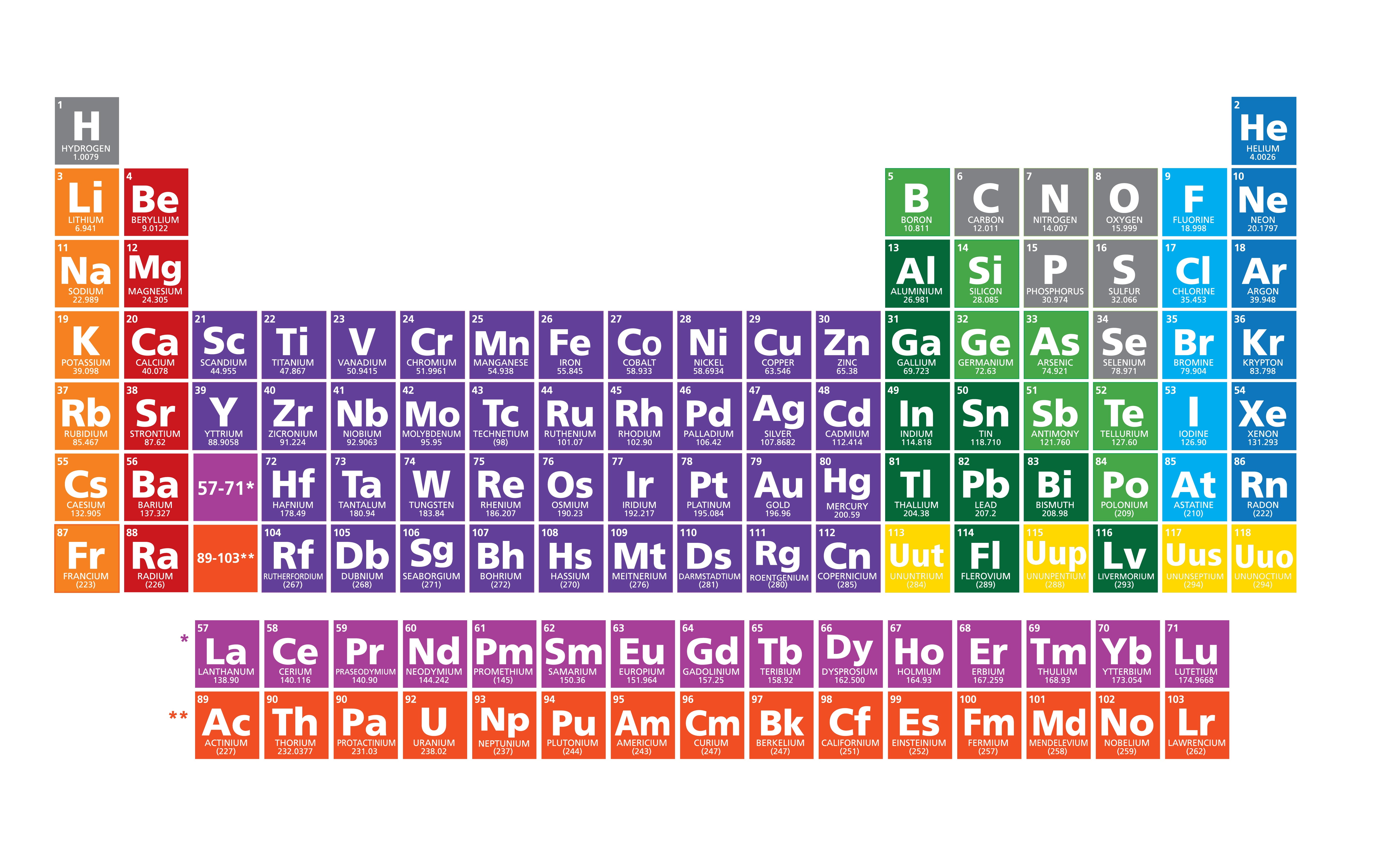
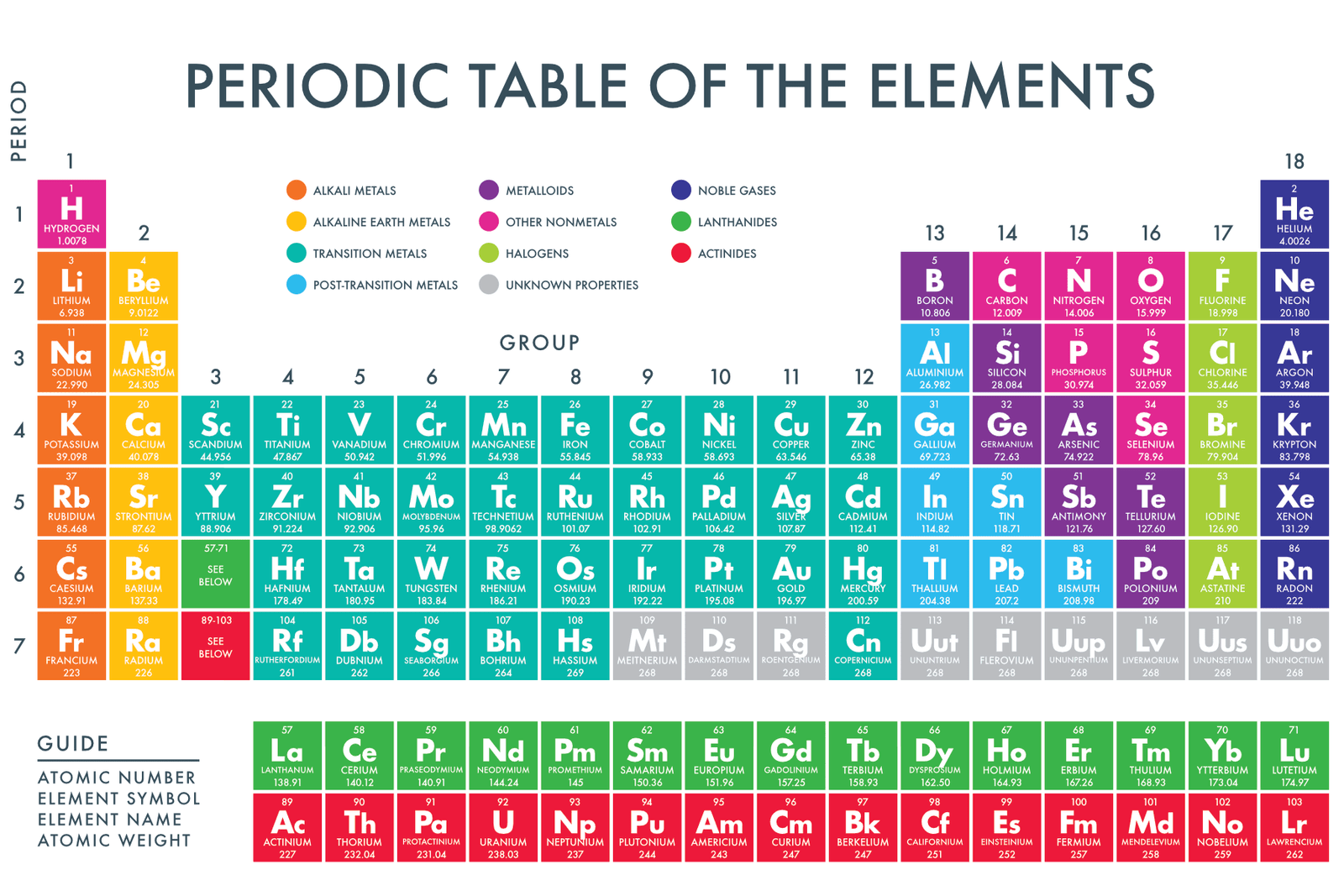
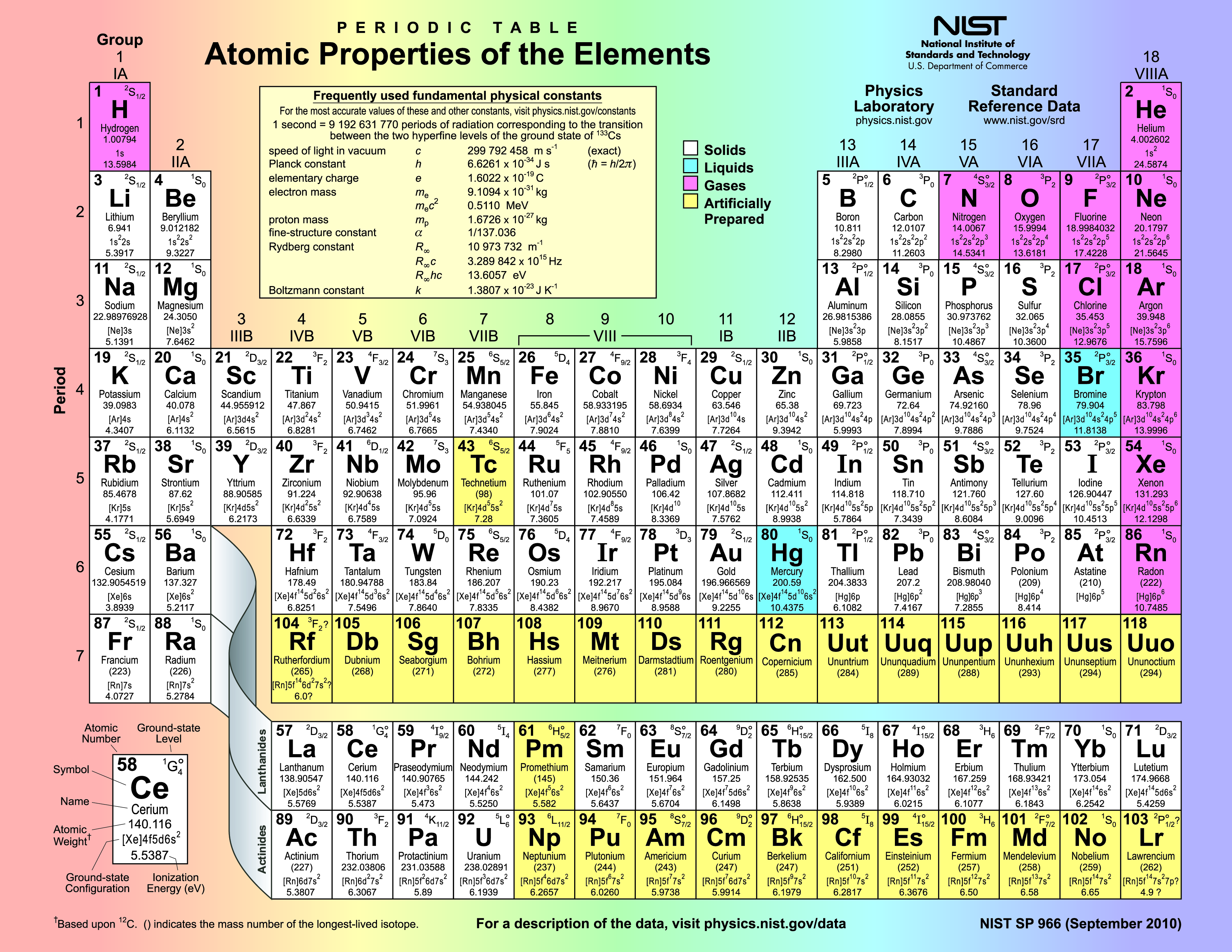
Finding the metalloids on the periodic table is pretty straightforward. They hang out along a diagonal, staircase-shaped line that separates the metals from the nonmetals. Think of it as a border patrol! The most commonly recognized metalloids are: boron (B), silicon (Si), germanium (Ge), arsenic (As), antimony (Sb), and tellurium (Te). Sometimes, polonium (Po) and astatine (At) are also included, but that's where things get a little debatable among scientists. It's like a grey area on a map!
Must Read
What makes them special? Metalloids possess properties of both metals and nonmetals. For instance, silicon (Si) is a semiconductor, meaning it conducts electricity better than an insulator (like rubber) but not as well as a conductor (like copper). This " Goldilocks" conductivity makes it ideal for use in computer chips. Germanium (Ge) was also used in early transistors before silicon became dominant. Arsenic (As) is famously toxic, but it also has legitimate uses in certain alloys and wood preservatives. Antimony (Sb) can be found in flame retardants.
Want to get started exploring metalloids? Here are a few simple tips:
- Look at a periodic table! Seriously, just having one handy will help you visualize their location. Many are available online for free.
- Focus on silicon. It's everywhere in electronics. Disassembling an old (unplugged!) electronic device can be a great way to see where it's used.
- Read about semiconductors. This will help you understand the unique properties of metalloids and their applications.
- Be careful with arsenic and antimony. These are toxic and should only be handled by trained professionals in a controlled environment.
So, next time you glance at the periodic table, don't just see a confusing grid. Find the staircase – the home of the metalloids – and remember that they're the unsung heroes bridging the gap between metals and nonmetals, enabling many of the technologies we rely on daily. Exploring the periodic table, one metalloid at a time, can be a truly rewarding experience, adding a little bit of scientific understanding to your everyday life. It's surprisingly cool to know a little bit about everything that makes up our world!