Where Is The Tornado In Texas
Ever found yourself scrolling through social media or watching the news, seeing dramatic footage of a storm, and thinking, "Where exactly is that tornado in Texas right now?" It's a question that sparks curiosity, a touch of thrill, and a very real concern for safety. Texas, with its vast plains and unique weather patterns, is famously part of "Tornado Alley," making this query not just popular, but incredibly useful for anyone living in or visiting the Lone Star State.
The purpose of understanding "where the tornado is" goes far beyond mere fascination. It's about being informed, prepared, and ultimately, safe. Knowing how we track these powerful storms, and what to do when one is near, can literally be a lifesaver. It empowers us to make smart decisions, protect our families, and appreciate the incredible science behind weather forecasting. So, let's dive into how we pinpoint these swirling giants, without needing a weather degree!
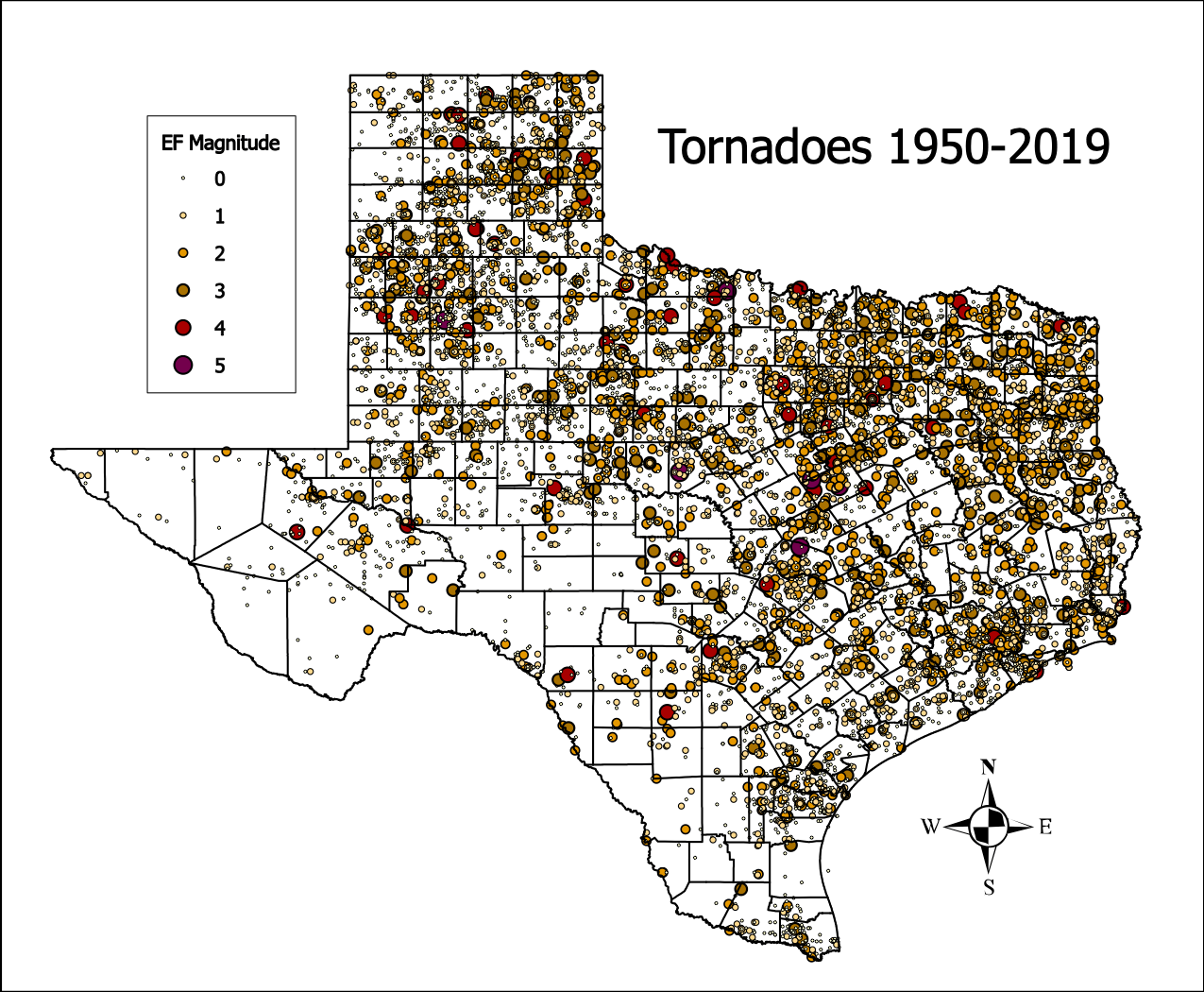
First off, it's important to remember that a tornado isn't always in Texas – thank goodness! Tornadoes are highly localized, short-lived, and depend on very specific atmospheric conditions. But when those conditions align, Texas often becomes a hotbed of activity, particularly during spring and early summer. So, how do we know when and where one might strike?
Must Read
The hero of modern tornado tracking is undoubtedly Doppler Radar. Imagine a giant, weather-sensing superpower! This incredible technology sends out radio waves that bounce off rain, hail, and even debris within a storm. By analyzing how these waves return, meteorologists can detect not just precipitation, but also wind speed and direction within the storm. When they see a distinct "hook echo" or strong rotation in the radar data, it's a huge clue that a tornado might be forming or is already on the ground. This real-time information is the backbone of tornado warnings.
But technology isn't the only player. We also rely heavily on human eyes on the ground. A vast network of trained storm spotters, often volunteers, brave the elements to provide crucial visual confirmation to the National Weather Service (NWS). They can report what radar might miss or confirm what it suspects, giving precious minutes of lead time to those in harm's way. These dedicated individuals are truly unsung heroes.

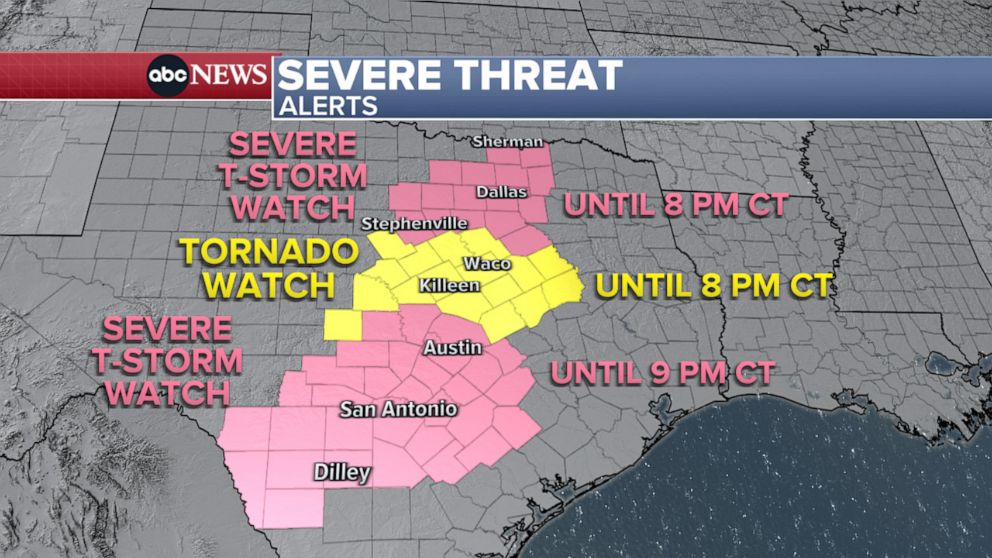
When a tornado is detected, whether by radar or spotters, the NWS issues a Tornado Warning – meaning a tornado is either imminent or already occurring. This is different from a Tornado Watch, which means conditions are favorable for tornadoes to develop. These alerts are broadcast through local news, weather apps, emergency sirens, and NOAA weather radios. The benefit? You get timely information to enact your emergency plan, whether that's heading to a designated safe room, an interior room on the lowest floor, or seeking community shelter.
So, the next time you ask "Where is the tornado in Texas?", know that a sophisticated system of technology, dedicated professionals, and brave volunteers are working tirelessly to provide that answer. The ultimate benefit is clear: staying weather aware isn't just smart, it's essential for peace of mind and personal safety in a state known for its dramatic skies. Keep an eye on local forecasts, have a plan, and stay safe out there!