
Where Is The Element Zinc Found

Alright, pull up a chair, grab a metaphorical (or actual) coffee, because we're about to embark on a journey. Not to the moon, not to the center of the Earth, but to unravel the mystery of an element that's probably hanging out with you right now, completely unnoticed. We're talking about Zinc. Yes, humble, understated Zinc. It's the unsung hero of the periodic table, the quiet achiever, the guy who brings the dip to the party and somehow everyone just assumes it appeared by magic.
You probably don't spend your days wondering, "Where is the element Zinc found?" Let's be honest, most of us only remember it when we're frantically searching for cold remedies or trying to figure out why our fence isn't rusting into oblivion. But trust me, once you know where this metallic marvel lurks, you'll start seeing it everywhere. It's like finding Waldo, except Waldo is shiny, grayish-blue, and prevents corrosion.
Deep in the Earth's Crust (The OG Spot)
First things first, let's go to the source. Like most elements worth their atomic weight, Zinc starts its journey deep within the Earth. It's not usually found prancing around by itself, all metallic and fancy. Oh no, Zinc is a bit of an introvert in its raw state. It prefers to hang out in ores, which are basically rocks with a high concentration of valuable minerals.
Must Read
The most common zinc ore is called sphalerite, also known as zinc blende. Sounds like a sci-fi villain, doesn't it? "Beware the Sphalerite!" This stuff is usually found alongside other minerals like lead and copper. So, if you're ever underground, spelunking through a mine, and you spot some yellowish-brown, resinous-looking rocks, congratulations! You might just be staring at a zinc-rich rock. Just don't try to lick it. Mining these ores is where we get the vast majority of our industrial zinc supply. Think of it as zinc's sleepy underground origin story.
The Bodyguard of Metals (Galvanization)
Now, let's fast-forward from geological formations to your everyday life. One of zinc's most famous gigs is as a bodyguard for other metals, especially steel. This process is called galvanization, and it's basically zinc sacrificing itself so that your stuff doesn't turn into a rusty, orange mess.
See that metal roof? That fence around your yard? Those nuts and bolts holding... well, everything together? Many of them have a thin, protective layer of zinc. Zinc rusts (or, more accurately, corrodes) at a slower rate than steel, and even better, it corrodes preferentially. It's like a tiny, metallic shield-bearer, taking all the hits from oxygen and water so the underlying steel can live a long, happy life. Without zinc, our infrastructure would be a flaky, orange nightmare. Thank you, Zinc, for your selfless service!
Pennies, Batteries, and Sunscreen (The Unexpected Places)
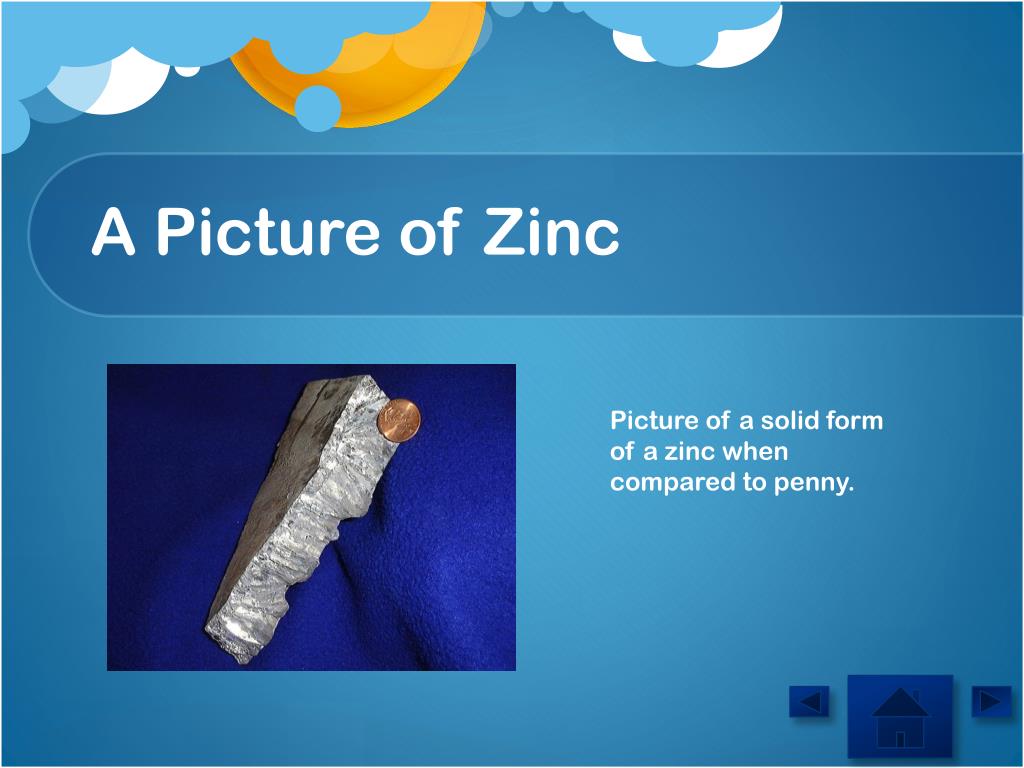
Remember those copper-colored U.S. pennies from 1982 onwards? Surprise! They're actually mostly zinc, with a thin copper plating. It's like a metallic mullet: copper in the front, zinc party in the back. So, if you've got a handful of loose change, you're literally holding zinc in your palm. Pretty cool, huh?
And those remote controls, flashlights, and kids' toys that demand fresh batteries? Many common alkaline batteries rely on zinc to help generate that sweet, sweet electrical current. Zinc makes an excellent anode material, happily giving up electrons for the cause.
Heading to the beach? Or just trying to protect your delicate skin from the sun's wrath? You've probably smeared zinc oxide on yourself. Yes, the stuff that makes lifeguards' noses famously white is zinc in a different form. It acts as a physical barrier, reflecting harmful UV rays like tiny, microscopic disco balls. So, next time you see a white stripe on a surfer's face, you're looking at a zinc warrior.
Your Body's Best Friend (Biological Zinc)
Now for the truly mind-blowing part: Zinc isn't just found in rocks and rusty fences. It's found in you. That's right, you are a walking, talking, zinc-containing marvel! Zinc is an essential trace element for humans, meaning your body needs it to function, but only in small amounts. Think of it as a crucial, miniature worker bee in the grand hive of your biology.
It's vital for your immune system – helping you fight off those annoying sniffles. It's key for your sense of taste and smell (ever noticed how food tastes bland when you're zinc-deficient?). It helps with wound healing, cell division, and even DNA synthesis. So, if you're wondering why you need to eat your greens (and oysters!), zinc is a big part of the answer.
Food, Glorious Food (Where to Get Your Zinc Fix)
So, where do you find this biological superstar in your diet? Well, if you're feeling fancy, oysters are practically zinc powerhouses. Seriously, they're loaded! But if shellfish isn't your jam, don't fret. You can also get your zinc from red meat, poultry, beans, nuts, certain types of seafood (like crab and lobster), dairy products, and fortified cereals. Even dark chocolate contains a little bit of zinc, giving you yet another excuse to indulge!
So, from the deepest mines to the tip of your nose, from your car's engine to the very cells in your body, Zinc is there. It's the silent guardian, the unsung hero, the element that truly is everywhere you look (and in a lot of places you don't). Who knew such a humble metal could be such a rockstar? Now go forth, impress your friends with your newfound zinc knowledge, and maybe have an oyster or two. You're welcome.
