
Where Is Lead Found In Nature
Hey there, friend! Ever wondered where those elements we learn about in chemistry class actually hang out in the big, wide world? Today, we're going on a little geological treasure hunt for an element that’s gotten a bit of a bad rap: lead. Before you picture hazardous waste signs, let's remember we're talking about its natural hangout spots, far from our old paint pipes and fishing weights. Think of it less as a villain and more as a shy, misunderstood rock star trying to keep a low profile.
So, buckle up your metaphorical rock-collecting helmet, because we’re diving into Mother Nature’s pantry to see where she keeps her lead!
The Original Bling: Lead in Minerals
Alright, first stop on our elemental road trip is deep within the Earth's crust, because that's where lead truly shines (sometimes literally!). You see, lead isn't usually found chilling solo as a pure metal in nature. Nope, it's far too social for that. Instead, it loves to cozy up with other elements, forming some truly dazzling minerals.
Must Read
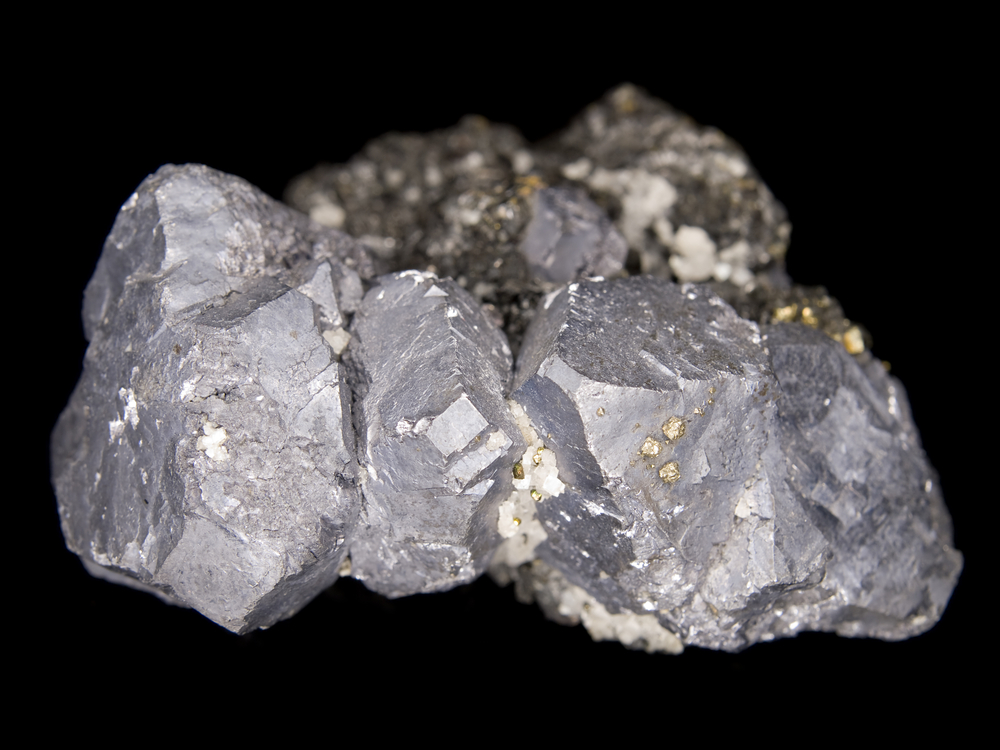
The absolute superstar of lead minerals is a beauty called galena. Ever seen it? It’s often silvery-grey, really dense, and forms perfect cube-shaped crystals. It looks like something out of a sci-fi movie! Galena is a lead sulfide, meaning lead has teamed up with sulfur – kind of like Batman (lead) and Robin (sulfur) protecting the mineral kingdom.
But galena isn't alone. Lead also shows up in other minerals like anglesite (lead sulfate) and cerussite (lead carbonate). Think of them as the supporting cast members in the lead mineral family. These often form when galena gets a little weathering, like a rock star’s career evolving over time. They are commonly found in veins within igneous, metamorphic, and sedimentary rocks. Basically, if there’s a rock party, lead minerals are probably on the guest list!

Earth's Foundation: Lead in Soil
Next up, let's talk about something a bit more relatable: the ground beneath our feet! That's right, soil naturally contains lead. Now, don't panic and start wearing lead-proof boots – we're talking about very low, natural concentrations here. It's not like the dirt is secretly a lead mine.
Where does it come from? Mostly, it’s just the slow, steady process of weathering. As those lead-containing rocks and minerals (like our buddy galena) break down over millions of years due to wind, rain, and ice, tiny bits of lead get released and become part of the soil. It’s like a gentle dusting, not a heavy snowfall.
The amount of lead in soil can vary wildly depending on the local geology. If you live near an area rich in lead-bearing rocks, your soil might have slightly higher natural background levels. If you live somewhere with different rock types, it might be lower. It's all about what Mother Nature decided to put in that particular geological recipe book!

A Sip of Nature: Lead in Water (Naturally)
Okay, now for a quick dip! Just like with soil, lead can naturally find its way into water sources. Again, before you start filtering your rainwater with a hazmat suit, let's emphasize the "natural" part and typically very low levels.
When rain falls and groundwater moves through rocks and soil that naturally contain lead minerals, some of that lead can dissolve and get carried along with the water. It’s a bit like brewing tea – the water picks up tiny bits of whatever it passes through. So, natural springs or underground aquifers can have trace amounts of lead.
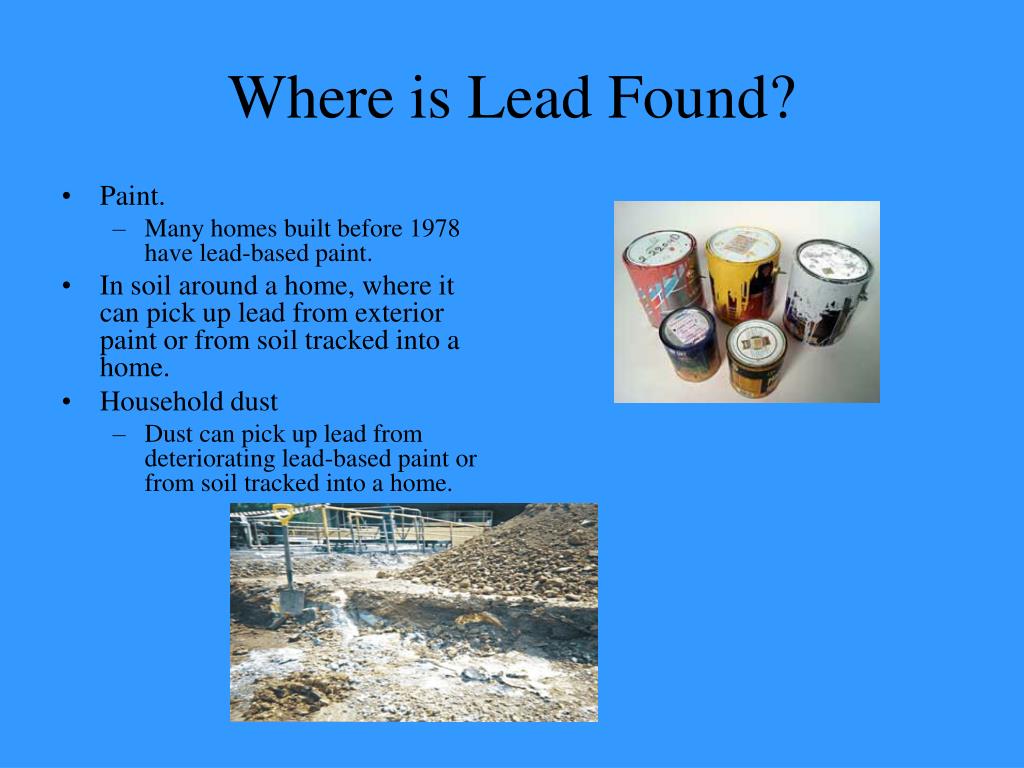
It's super important to distinguish this natural occurrence from lead in drinking water caused by old lead pipes or plumbing fixtures – that's a whole different kettle of fish (and an entirely human-made problem!). When we talk about nature, we're talking about the Earth's own geological filtration system at work, gently dissolving elements as water flows by.
A Breath of Fresh Air: Lead in the Atmosphere (Naturally)
Believe it or not, even the air we breathe can naturally contain tiny, tiny amounts of lead! But again, let's hit the brakes on the worry train. The vast majority of lead in our atmosphere today comes from human activities (like historical industrial emissions or burning fossil fuels). We’re focusing on the Earth’s own natural contributions here, which are minuscule in comparison.
So, how does nature puff lead into the air? Think volcanoes! Volcanic eruptions can spew all sorts of elements, including trace amounts of lead, high into the atmosphere. Also, things like natural forest fires can release tiny particles containing lead that was naturally present in the plants and soil. It's like nature's own little smoke signals, carrying a microscopic sprinkle of everything around.
The Big Picture: Why It Matters (Happily!)
So, there you have it! From shiny minerals deep underground to the soil, water, and even the air, lead is a natural component of our amazing planet. It's not some alien invader; it’s been here all along, doing its thing, being a part of Earth's intricate chemistry set.
Understanding where elements like lead are found naturally helps us appreciate the incredible complexity of our world. It reminds us that nature is full of wonders, some of which we need to treat with a little extra respect and awareness. It’s a good thing to know about, not to fear! So, next time you see a cool rock or feel the earth beneath your feet, remember the hidden stories and elements it holds. It’s a truly magnificent world, and knowing more about it just makes it all the more fascinating!
Keep exploring, keep wondering, and keep smiling!