Where Does The Power Come From
Ever wonder what magical force truly powers your morning coffee, charges your phone, or keeps the lights on when dusk settles? It’s something we rely on every second of every day, yet many of us rarely stop to think about the incredible journey electricity takes to reach our homes. Understanding "Where does the power come from?" isn't just a fun curiosity; it's a peek behind the curtain of modern life, revealing the fascinating systems that make our world tick. It's empowering to know what's going on when you flip a switch, and frankly, it makes you appreciate that steady flow of energy all the more!
This topic is wonderfully engaging for everyone. For beginners, it’s a fantastic way to demystify electricity, turning a seemingly complex subject into an understandable story about physics and engineering. You’ll gain a basic grasp of how a vast network of power operates, making daily appliances seem a little less like magic and a lot more like clever science. Families can turn it into an educational adventure: discussing energy sources, looking for power lines, or even figuring out where your local power plant might be. It sparks conversations about conservation and our environmental footprint. And for the budding hobbyists, this foundational knowledge opens doors to understanding everything from home solar setups to designing small electronic circuits, inspiring future projects and deeper dives into sustainable living.
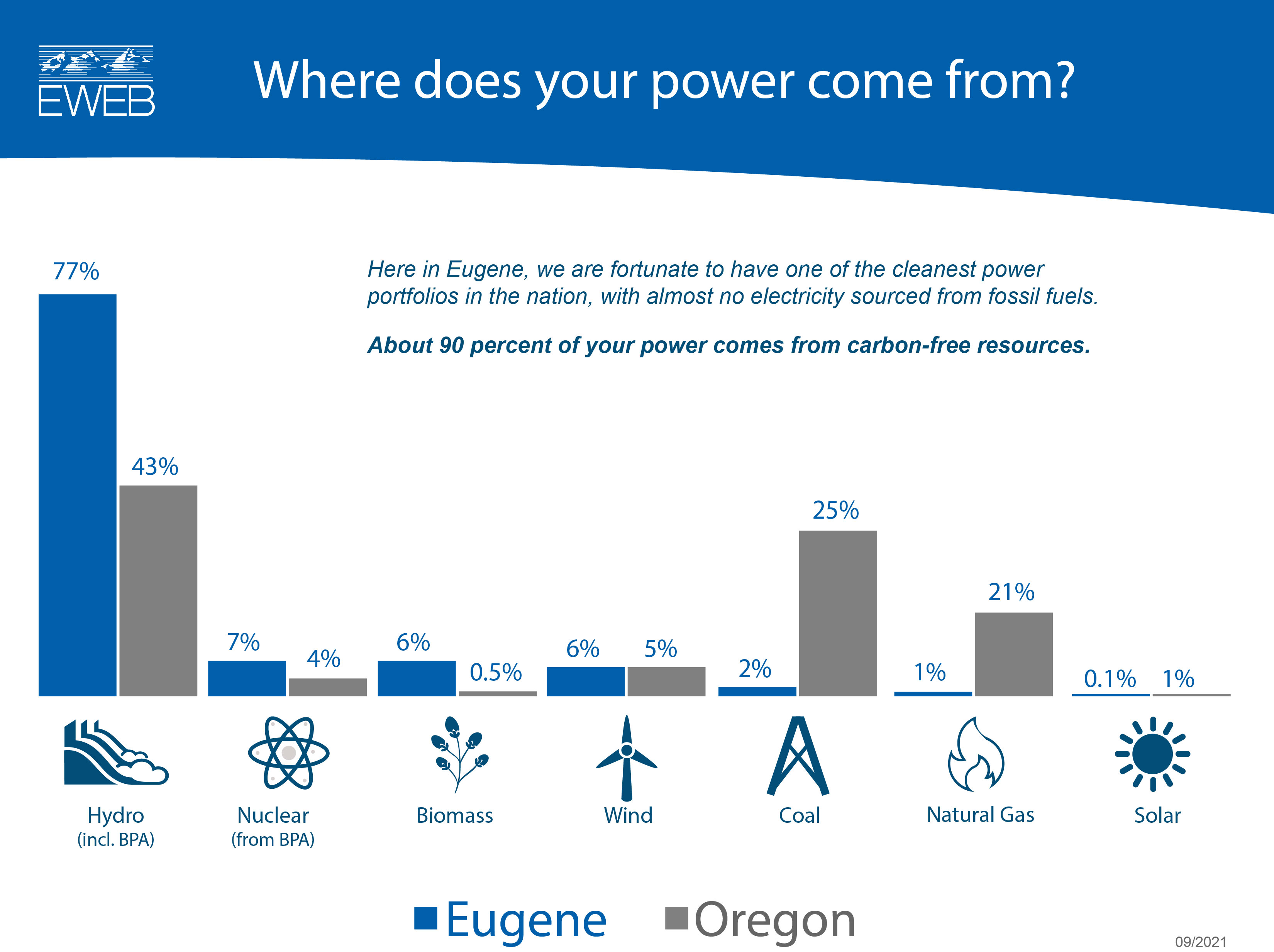
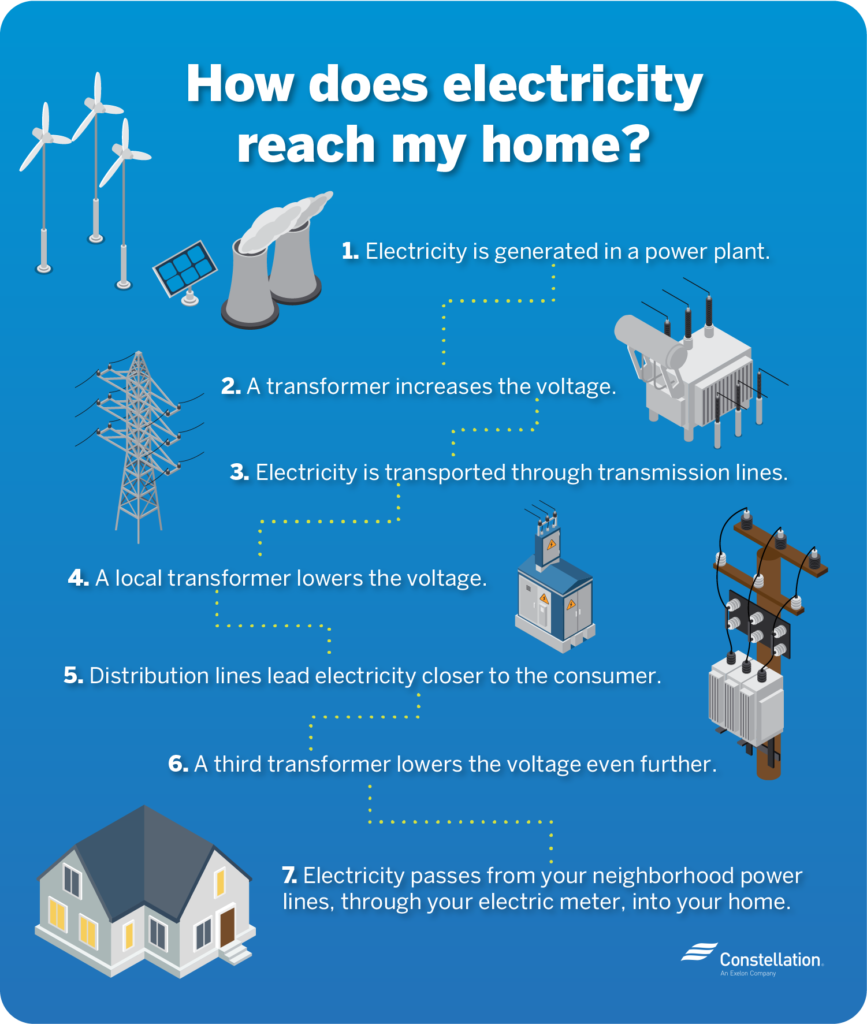
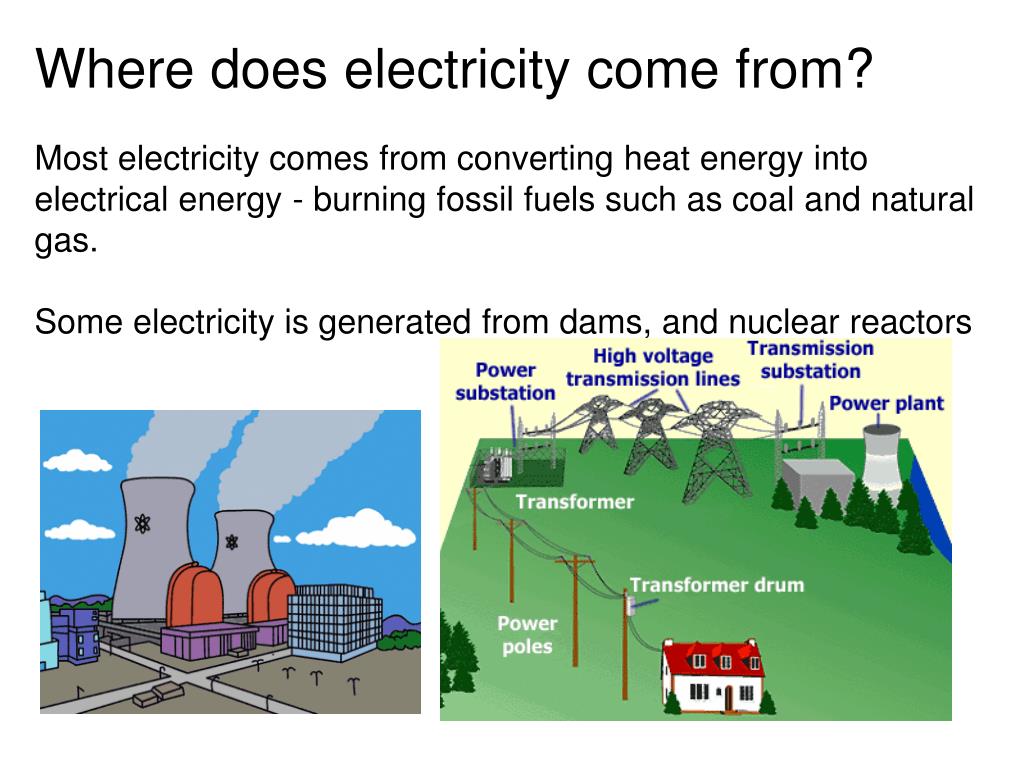
So, where does it actually come from? The journey often starts far away! Traditionally, much of our power has come from large power plants that burn fossil fuels like coal or natural gas, or harness nuclear reactions, to heat water and create steam. This steam then spins massive turbines, which are connected to generators that create electricity. Think of it as a huge, sophisticated kettle and fan system! But the world is changing, and we're increasingly turning to renewable sources. You've probably seen giant wind turbines gracefully spinning, capturing the wind's kinetic energy, or vast arrays of solar panels soaking up sunlight and converting it directly into electricity. Then there's hydropower, where the force of flowing water turns turbines, much like steam does. Even small-scale options like car batteries (chemical energy) or tiny hand-crank generators offer a glimpse into how mechanical energy can become electrical. All this generated power is then sent through a complex network of wires and substations – the electrical grid – to finally reach your wall sockets.
Must Read
Ready to start exploring? It's easier than you think! A great first step is simply to observe. Look at the power poles and wires outside your window; trace them with your eyes as far as you can. If you have solar panels on your roof or in your neighborhood, take a moment to appreciate them. For a hands-on feel, try playing with a small battery-powered toy or a simple circuit kit – seeing a tiny LED light up from a battery connection can be a real "aha!" moment. Many science museums have fantastic, interactive exhibits about energy generation that are incredibly illuminating. You can also read kid-friendly books about electricity, which often explain complex ideas in easy, digestible ways. Most importantly, start thinking about how you use energy in your home and simple ways to conserve it; understanding its origin makes saving it feel more meaningful.
Uncovering the secrets of where our power comes from is not just about understanding wires and watts; it's about appreciating the ingenuity that lights up our lives. It gives you a new perspective on every flick of a switch, fostering a deeper connection to the unseen infrastructure that keeps our modern world humming along. Enjoy the fascinating journey into the heart of power!