
Where Does The Energy For The Wind Come From
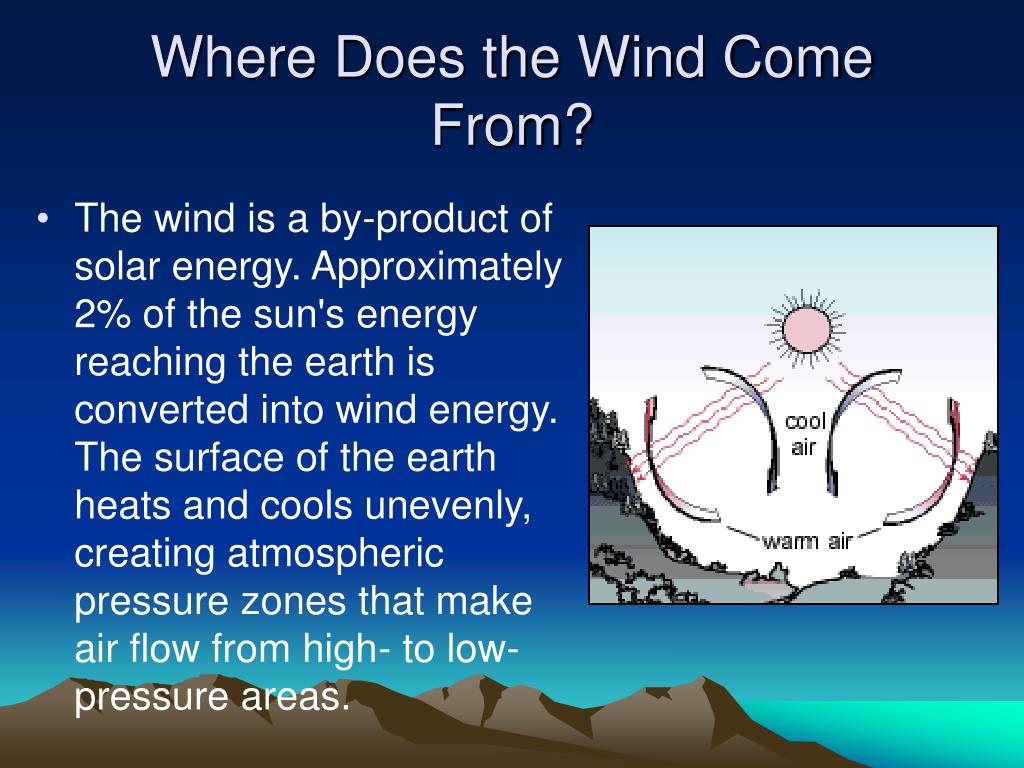
Ever feel the wind whipping through your hair and wondered, "Where does that come from?" I mean, really, it's not like there's a giant fan somewhere in the sky (though, wouldn't that be something?!). The answer, my friends, is both simple and utterly amazing: the sun!
Yep, our very own star is the powerhouse behind almost everything on Earth, including the breeze that keeps us cool on a summer day. (And let's be honest, sometimes whips our umbrellas inside out – but we won't dwell on that).
Uneven Heating: The Sun's Hot Mess (But in a Good Way!)
Think of it this way: the sun doesn't exactly paint the Earth with even strokes. Some places get a lot more sunshine than others. Think of the equator, basking in the glorious rays all year round, compared to the chilly poles, which barely get a peek.
Must Read
This uneven heating is the key! Warm air rises, right? Like a hot air balloon, it becomes less dense and floats upwards. And where does it go? Well, that creates space for cooler, denser air to rush in and take its place. Voila! Wind is born!
Imagine a giant convection oven – but, you know, planetary scale. The warm air rising and cool air rushing in creates these huge currents in the atmosphere. These currents are what we experience as wind. See? Science isn't so scary. It’s actually pretty cool!
Pressure's On! (Literally)
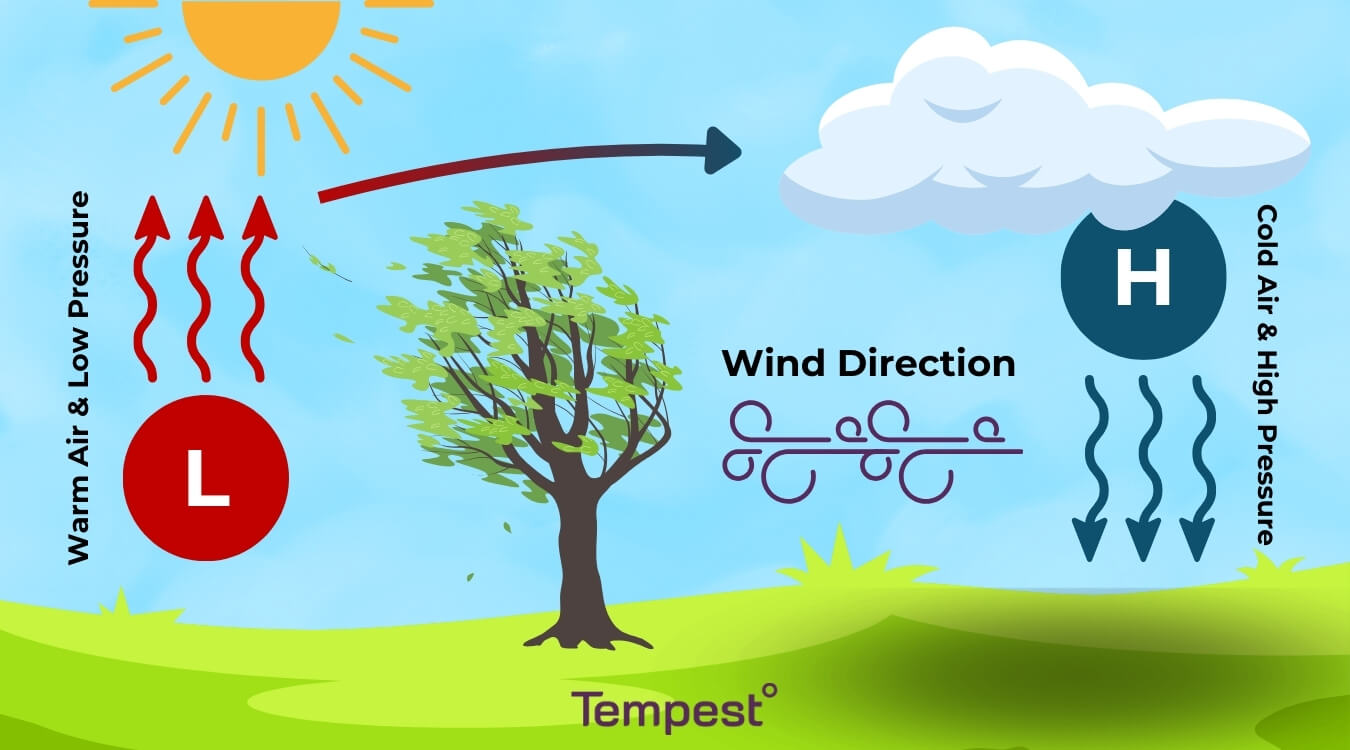
Now, let's get a little more technical (but don't worry, I'll keep it brief!). Areas with warm, rising air have lower atmospheric pressure. Areas with cool, sinking air have higher atmospheric pressure.
Air naturally wants to move from areas of high pressure to areas of low pressure. It's like a natural balancing act. Think of a balloon: air rushes out from the high pressure inside to the lower pressure outside when you untie it. The bigger the difference in pressure, the stronger the wind. Simple as that!

So, when you see a weather report talking about high and low pressure systems, remember this: those pressure differences are the driving force behind the wind. Pretty neat, huh?
Local Heroes: Land, Sea, and Mountain Breezes
But it’s not just global pressure differences that create wind. Local conditions play a big part too! Ever notice how it’s often breezy near the coast?
That's because land heats up and cools down much faster than water. During the day, the land heats up quickly, creating a low-pressure area, and cool air rushes in from the sea, creating a refreshing sea breeze. At night, the land cools down faster, and the opposite happens: a land breeze blows from the cooler land out to the warmer sea. Think of it as nature’s own air conditioning system!
Mountains can also create interesting wind patterns. As air is forced to rise over a mountain range, it cools and can create clouds and precipitation. As it descends on the other side, it warms up and dries out, sometimes creating strong, gusty winds. Wind is everywhere, shaping our world!
Wind Energy: Harnessing the Power
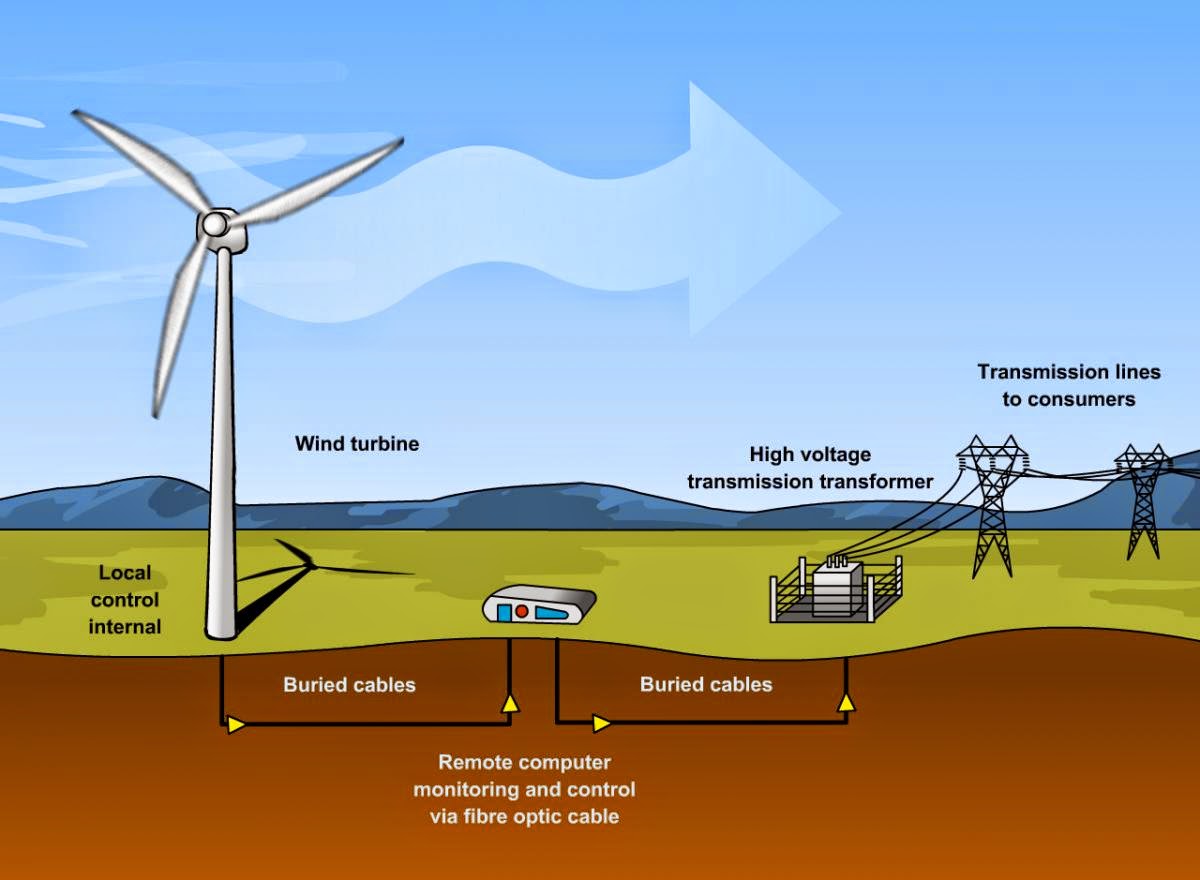
And guess what? We can actually use the wind to create electricity! Wind turbines convert the kinetic energy of the wind into clean, renewable energy. Imagine, that same energy from the sun, creating the wind, then powering our homes and businesses. Pretty amazing cycle, right?
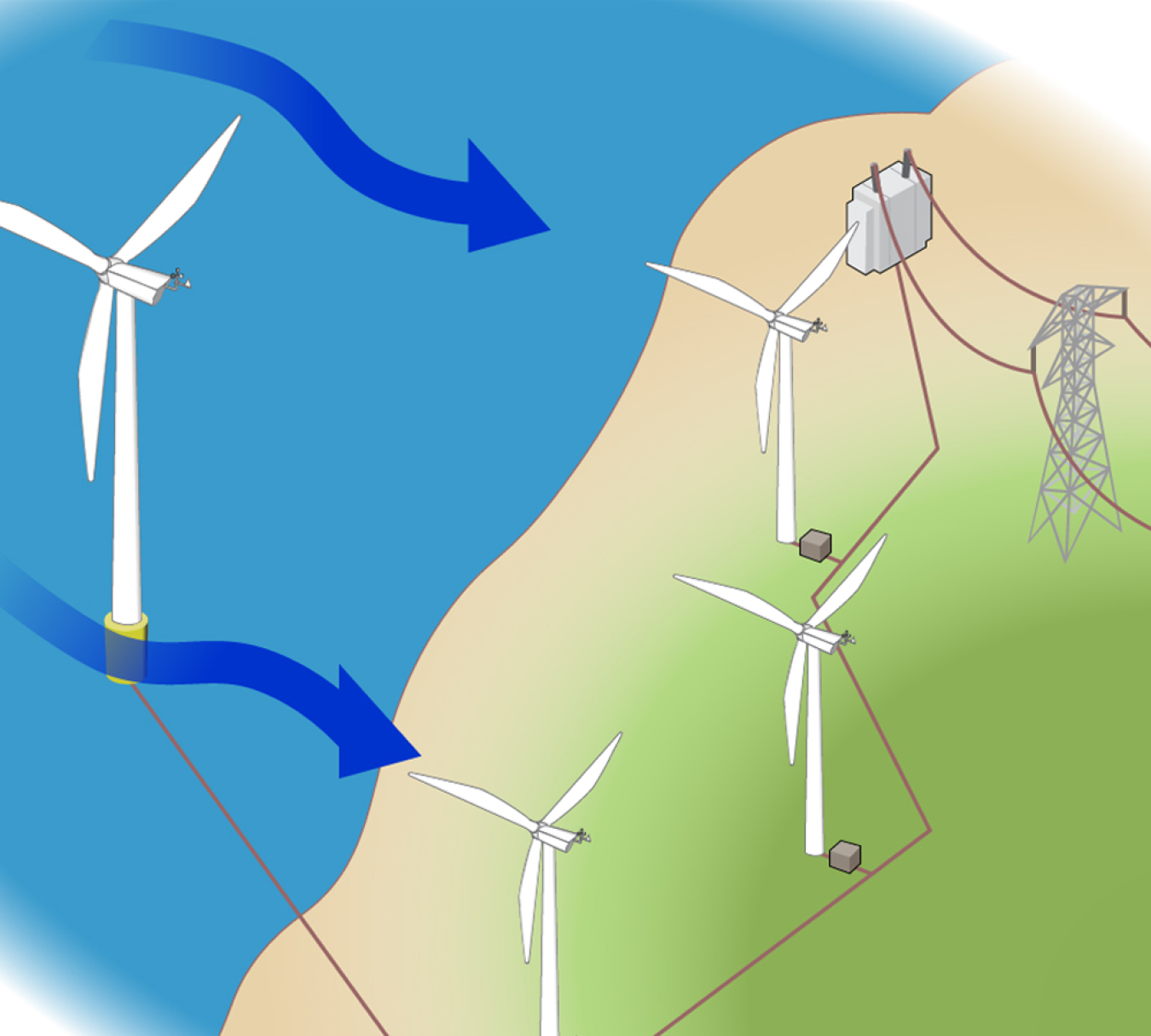
Think about those iconic images of wind farms, with their graceful turbines spinning against the sky. They're not just pretty to look at; they're a symbol of a cleaner, more sustainable future. We are taking that sunshine, turning it into wind and using it to power the world!
Next time you feel the wind on your face, remember that it's not just a random gust of air. It's a direct consequence of the sun's energy, a force that shapes our planet and can even power our lives. And who knows, maybe understanding where the wind comes from will even make those windy days a little more...fun?
So, go ahead, embrace the breeze! And if you're feeling inspired, dive deeper into the fascinating world of meteorology, renewable energy, or even just basic physics. The more you learn, the more you'll appreciate the intricate and interconnected systems that make our world so wonderfully dynamic. The world is complex but so beautiful. And knowing it gives you the power to appreciate it even more! Go learn!