Where Does The Dust Come From
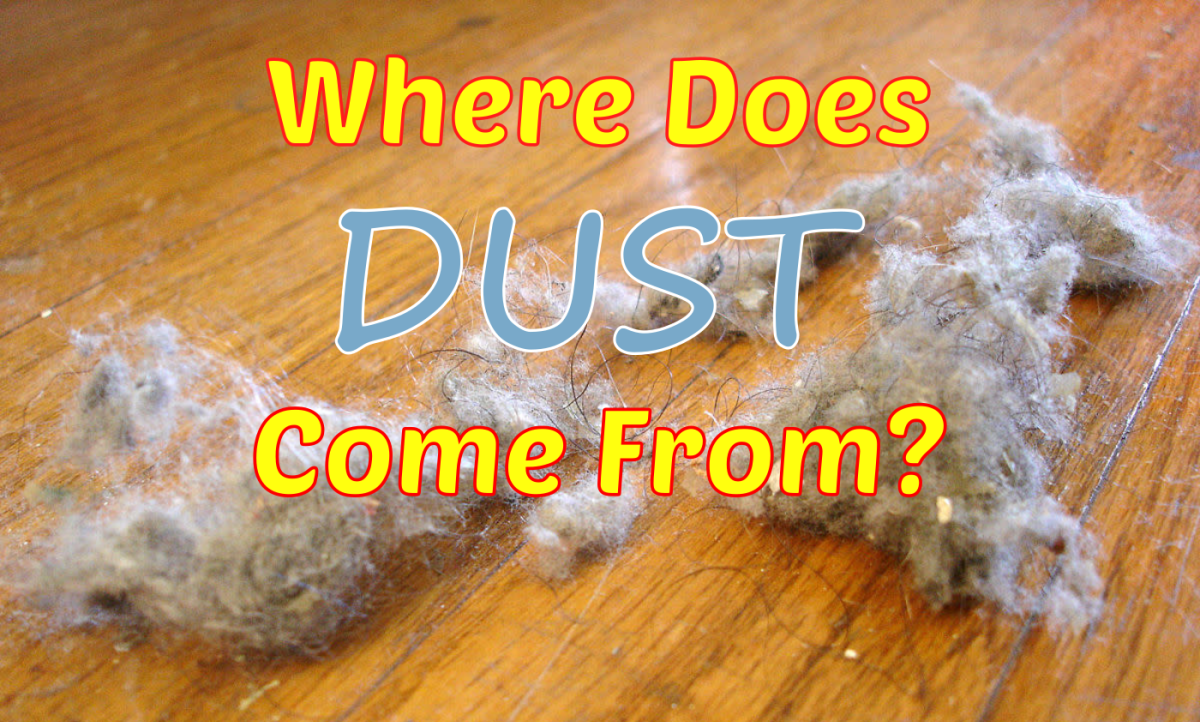
Ever wondered about the tiny, silent invaders that seem to appear out of nowhere, coating your surfaces and forming those mysterious "dust bunnies" under the bed? You're not alone! Dust is a universal phenomenon, a persistent part of our everyday lives that we often just accept as inevitable. But pause for a moment and think about it: where does it all come from? Understanding the origin story of dust can be surprisingly fun, fascinating, and even useful. It's like solving a miniature, ongoing mystery right in your own home!
This little deep dive into the world of dust offers something for everyone. For the curious beginner, it’s a chance to demystify an everyday annoyance and gain a newfound appreciation for the microscopic world around us. You’ll feel a bit more in tune with your living space and maybe even impress a friend or two with your newfound knowledge! Families with kids will find it's a fantastic educational starting point. Imagine turning dusting into a science lesson, sparking conversations about science, hygiene, and where things come from. It can also help parents understand potential allergy triggers. And for the home enthusiast or even clean hobbyist, knowing your enemy (or rather, understanding its origins) can empower you to tackle dust more effectively, optimize your cleaning routine, and create a healthier, happier living environment.
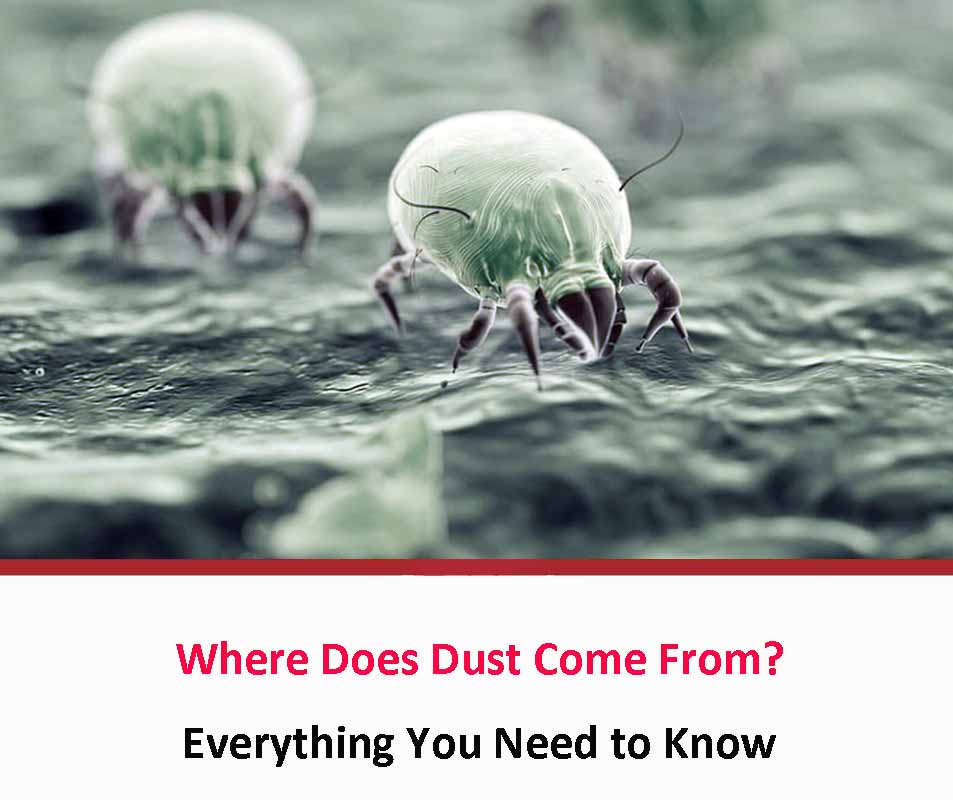
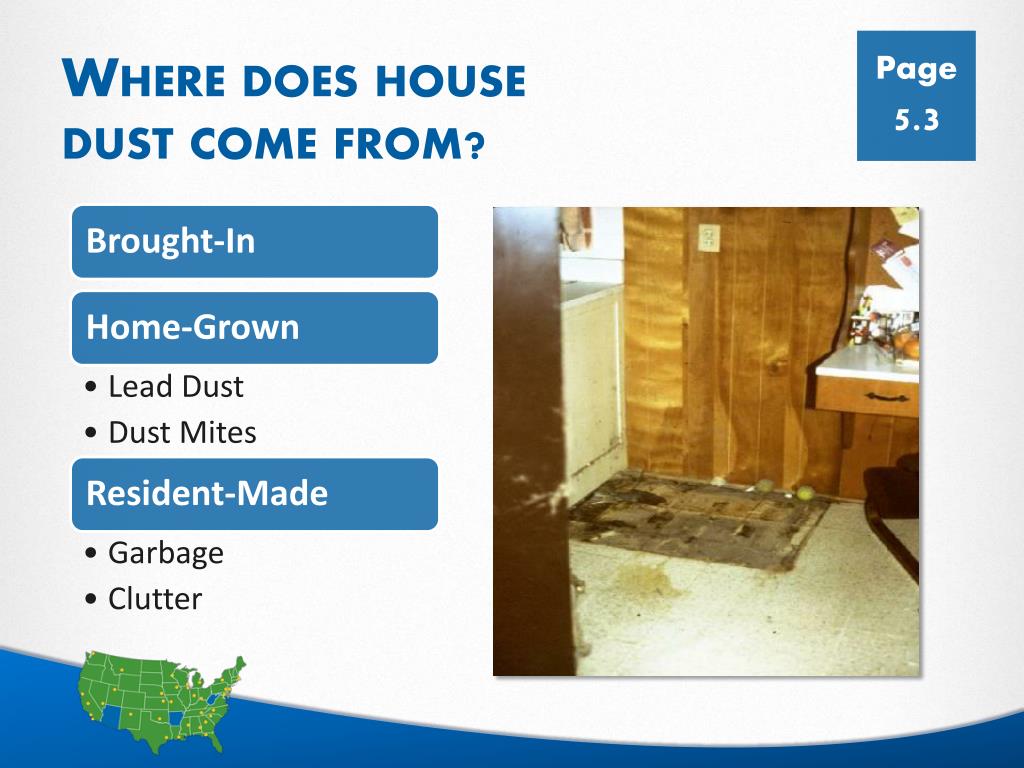
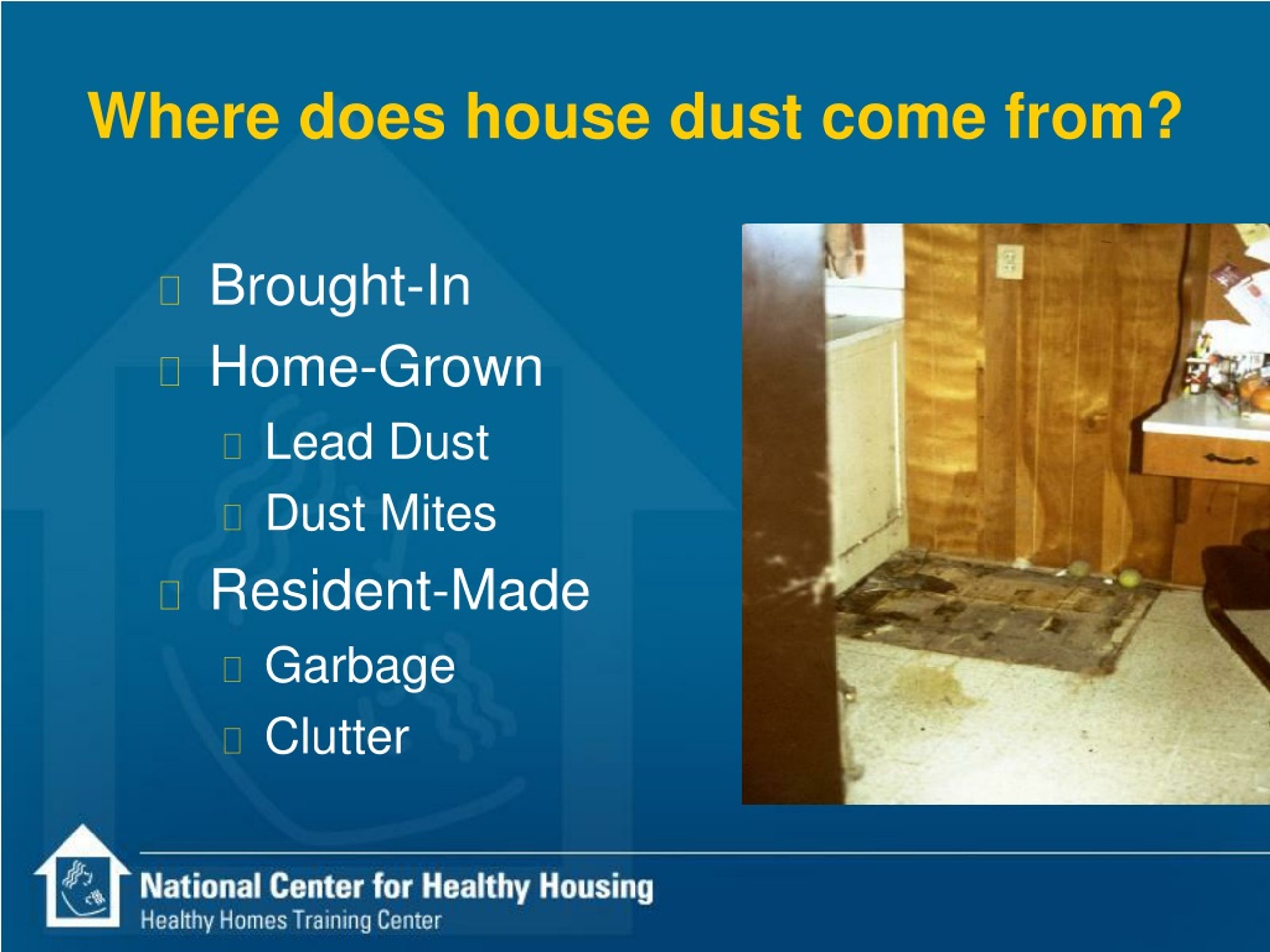
So, what exactly is dust made of? It’s not just one thing, but rather a tiny, eclectic mix of bits and pieces from both inside and outside your home. A significant portion comes from us – yes, our own skin flakes! Humans constantly shed dead cells, which become part of the dust pool. Add to that tiny fibers from our clothes, carpets, and upholstery, plus pet dander if you have furry friends. But the outside world contributes too: think pollen, soil particles tracked in on shoes, microscopic bits of leaves, and even pollution that drifts in through open windows and doors. Believe it or not, some rare dust particles can even be tiny fragments from outer space! It’s truly a cosmic cocktail of microscopic matter, constantly settling around us.
Must Read
Ready to get started on your own dust journey? You don't need a microscope, just a little observation and a few practical steps. First, simply pay attention to where dust collects most in your home – this can give you clues about its source or how air moves. For management, one of the simplest tips is to use a damp cloth for dusting. This traps particles instead of just scattering them. Regularly vacuuming, especially carpets and rugs, is crucial. Change your HVAC filters often, as they capture a lot of airborne dust. If you have pets, consider brushing them outdoors to minimize dander indoors. Even shaking out doormats regularly can make a big difference. These small actions add up to a noticeable reduction in dust and better indoor air quality.
In the end, dust isn’t just an irritating chore; it’s a fascinating testament to the constant flux and flow of life, both inside and outside our homes. By understanding where it comes from, we gain a little more control, a little more knowledge, and maybe even a little more appreciation for the invisible world around us. So go ahead, conquer those dust bunnies with newfound wisdom, and enjoy the satisfaction of a cleaner, more understood home!