
Where Does Our Oil Come From

Ever have one of those moments when you’re filling up your car, watching the numbers climb, and you just kinda… stare? You’re probably thinking about the dent in your wallet, right? Maybe wondering if you left the oven on. But have you ever paused and thought, truly thought, about where that viscous, smelly liquid pouring into your tank actually comes from? I mean, before it became gasoline, before the refinery, before the tanker ship, even before it was pumped out of the ground?
It’s easy to just assume, “Oh, it’s from the Middle East, probably.” And sure, a good chunk of it absolutely is. But trust me, folks, the story of where our oil originates is way more tangled, ancient, and honestly, a little bit wilder than you might imagine. It's a proper global scavenger hunt, and we're all, whether we like it or not, part of the treasure map.
From Ancient Sludge to Your SUV
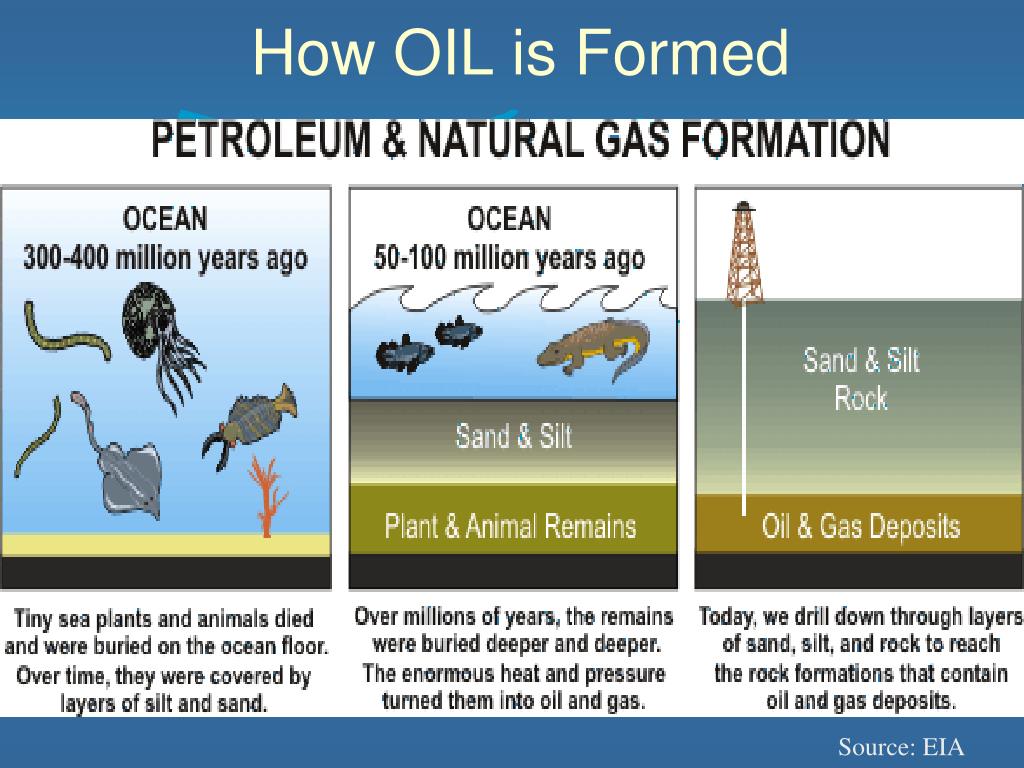
Let's kick things off with the really, really old stuff. We’re talking about a time when dinosaurs were stomping around, but surprisingly, oil isn't primarily made from dead dinosaurs. (Sorry to burst that T-Rex bubble, but it's a common misconception!) Instead, think of billions upon billions of tiny, ancient marine organisms – plankton, algae, bacteria, all that good microscopic stuff – that lived in ancient oceans and lakes millions of years ago. When they died, they sank to the bottom.
Must Read
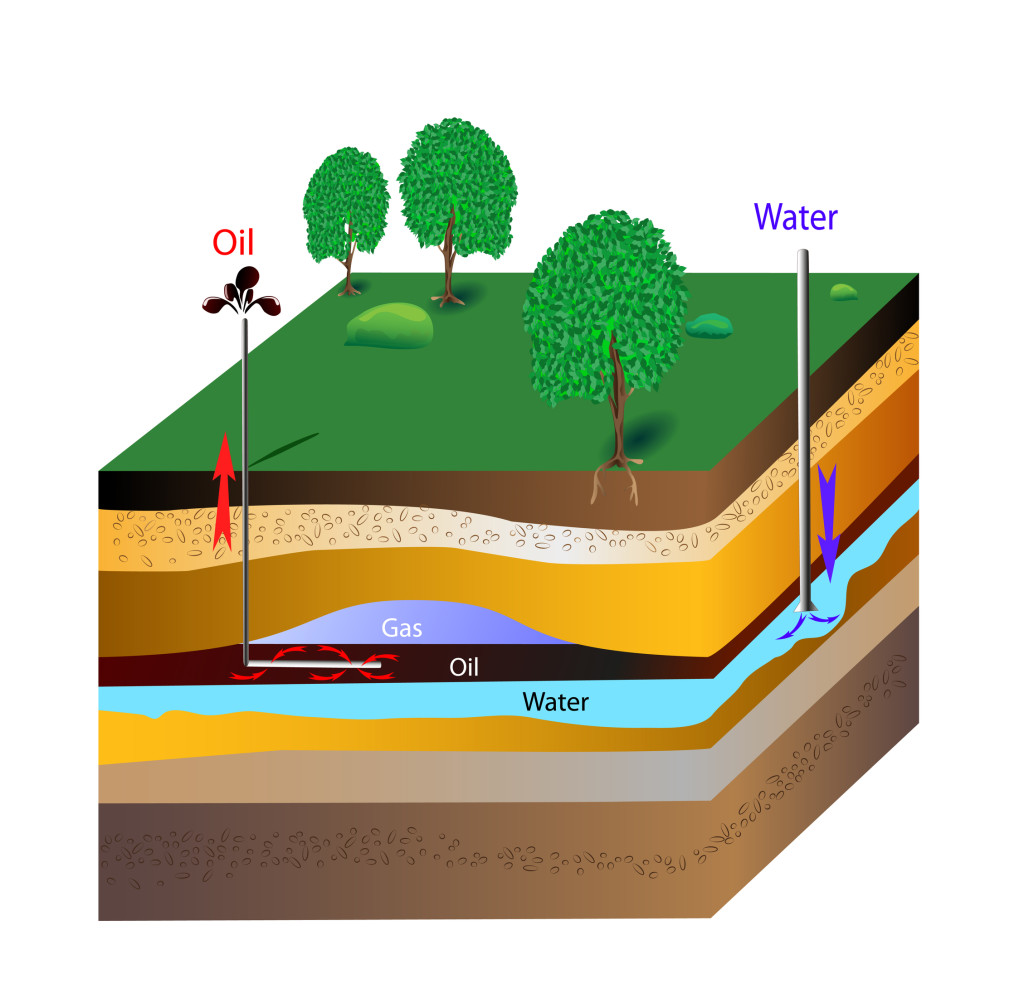
Over eons, layers of sediment piled on top of these organic remains. This created immense heat and pressure, squishing and cooking that prehistoric organic goo. Slowly, agonizingly slowly, that biological soup transformed into what we now know as crude oil (and natural gas). We’re talking timescales so vast, your head might actually spin a little. Millions of years of patient, geological alchemy just so you can get to work on time. Pretty wild, huh?
The Usual Suspects, And Then Some
So, we've got this incredible, ancient energy source. But where did it all decide to collect? While the planet is a big place, not every square inch is gushing black gold. Some regions hit the geological jackpot more than others.
The Middle East: Yep, this is the big one. Countries like Saudi Arabia, Iraq, Iran, Kuwait, and the UAE are home to some of the world’s largest and most accessible oil reserves. They’ve been major players for decades, shaping global economies and geopolitics. When you hear about OPEC (the Organization of the Petroleum Exporting Countries), these are often the folks leading the charge.
North America: Surprise! Or maybe not, if you've been paying attention. The United States has seen a massive boom in oil production thanks to advancements in drilling technology, particularly hydraulic fracturing (fracking) in shale formations. Places like the Permian Basin in Texas and New Mexico are huge. And don't forget our northern neighbor, Canada, which boasts massive reserves, especially in its oil sands, though extracting that stuff is a whole other, rather energy-intensive story.
Russia: The land of borscht and vast tundra is also a massive oil producer. Russia is consistently among the top global players, with significant reserves spread across its enormous territory. Their oil is a critical part of their economy and global energy markets.
South America: Venezuela sits on the world's largest proven oil reserves, though political and economic turmoil often hinder its production. Brazil has also emerged as a significant producer, especially with deepwater offshore discoveries.

Africa: Countries like Nigeria, Angola, and Algeria are important contributors to global supply, primarily from onshore and offshore fields.
The North Sea: Ever heard of Norwegian oil? Or British? The waters between Norway and the UK have been a crucial source for decades, though production is slowly declining as fields mature.

Where Does Your Oil Come From?
Here’s the kicker: even if your country produces a ton of oil, the gas in your tank might still come from half a dozen other places. Why? Because oil is a global commodity. It's bought, sold, traded, shipped, and refined all over the world. A barrel of crude oil from Saudi Arabia might get mixed with some from Texas and a dash from Nigeria before it's processed into gasoline at a refinery near you.
Refineries are designed to process specific types of crude, and they constantly optimize their supply chains to get the best blend at the best price. So, that gallon you just bought? It’s a bit like a global smoothie – a delicious (and expensive!) mix of ancient organisms from multiple continents. Pretty cool, right? Or, depending on your perspective, a little unnerving how interconnected it all is.
So, the next time you’re marveling at the price of fuel, take a moment to marvel at the journey. From microscopic organisms dying millions of years ago, to immense geological pressure, to tankers crossing oceans, to a complex global marketplace, all just to power your daily commute. It’s a truly epic journey for a substance we often take for granted. Who knew that humble gallon of gas had such a grand, ancient tale to tell?