Where Does Most Energy Come From

Ever gazed up at the sky on a bright day and felt an inexplicable surge of warmth and vitality? Or perhaps you've marvelled at a vibrant garden, bursting with life, and wondered about the invisible magic that fuels it all? The question, "Where does most energy come from?", might sound like a simple science query, but its answer is a breathtaking epic of cosmic proportions, and understanding it can spark incredible creativity and appreciation in all of us!
For artists, grasping the source of Earth's energy unlocks a universe of inspiration. Think of painting the dramatic interplay of light and shadow, the verdant glory of a sun-kissed forest, or the awe-inspiring technology of solar panels glinting under a vast sky. Understanding energy flow can inform themes of sustainability, resilience, and the sheer power of nature. For hobbyists, from keen gardeners nurturing their plants to amateur photographers chasing the golden hour, knowledge of the sun’s energy is paramount. It’s about optimizing growth, capturing that perfect natural glow, or even just appreciating how a small solar-powered gadget works. And for casual learners, it’s a profound connection to the very engine of our planet, fostering a deeper respect for our environment and a sense of wonder about the cosmos.
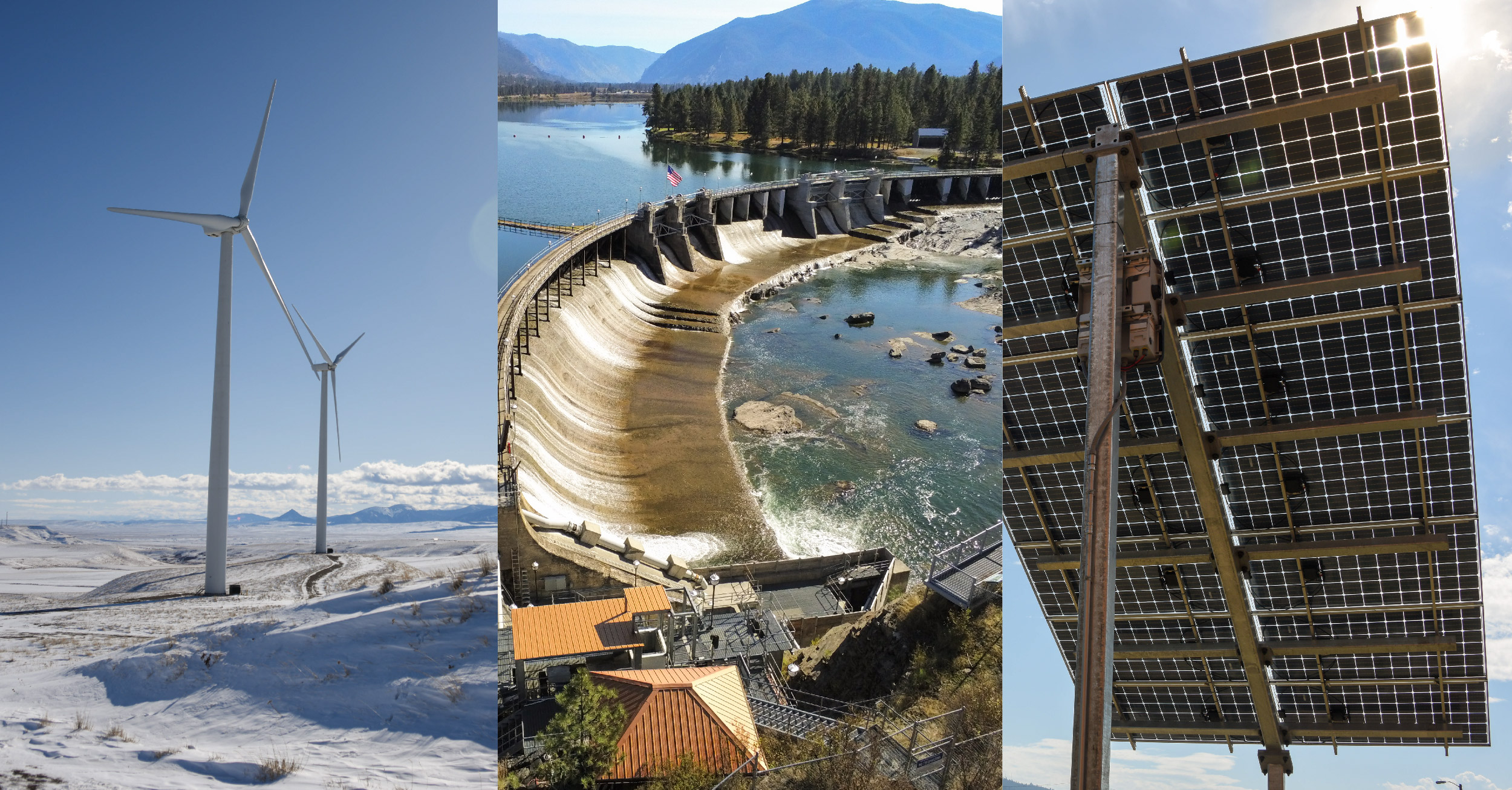
So, where does most energy truly come from? The overwhelming answer, a magnificent, fiery spectacle, is our very own Sun! Yes, that glorious orb in the sky is a colossal nuclear fusion reactor, constantly blasting out energy that travels millions of miles to our planet. This solar energy manifests in countless ways: it's the direct sunlight that warms our skin and can be harnessed by photovoltaic cells. It’s the driving force behind photosynthesis, turning sunlight into chemical energy that sustains nearly all life on Earth – from the tiniest plankton to the mightiest redwood. Even the fossil fuels we've relied on for centuries, like coal, oil, and natural gas, are essentially ancient, stored solar energy from plants and animals that lived millions of years ago. Beyond that, the sun’s uneven heating of the Earth’s surface creates temperature differences that drive wind currents, and its energy powers the water cycle, leading to rain that fills rivers and powers hydroelectric dams. While Earth's internal heat (geothermal) and the moon's gravitational pull (tidal) contribute, they are minor players compared to the magnificent solar powerhouse.
Must Read
Curious to try experiencing this wonder at home? It’s wonderfully simple! Start by simply observing: notice how sunlight changes throughout the day, how plants (even a small houseplant!) invariably lean towards the light, converting its energy into growth. Consider investing in a tiny solar-powered garden light or calculator to see direct energy conversion in action. You could even try growing some herbs on a windowsill and witness photosynthesis firsthand. Read up on your local energy grid – what percentage of your electricity comes from renewable sources like solar or wind? Just a little research can be incredibly illuminating.
Ultimately, understanding where most energy comes from isn't just about scientific fact; it’s about tapping into a deep well of inspiration and connection. It’s immensely enjoyable because it offers a powerful perspective: every beam of light, every gust of wind, every green leaf, and indeed, every beat of your own heart, is a testament to the incredible, tireless energy pouring from our sun. It fosters a sense of responsibility and hope, reminding us of the sustainable power readily available, waiting for us to embrace it with creativity and ingenuity. What a marvel, to be alive on a planet so wonderfully powered!