Where Does Carbon Monoxide Leak From In A House
Imagine your house as a giant, slightly clumsy dragon, breathing, humming, and occasionally letting out a little belch of something you really, really don't want to inhale: carbon monoxide. This invisible, odorless gas is a sneaky houseguest, and figuring out where it's creeping in is like playing detective in your own home.
The Usual Suspects: Appliances with Flames
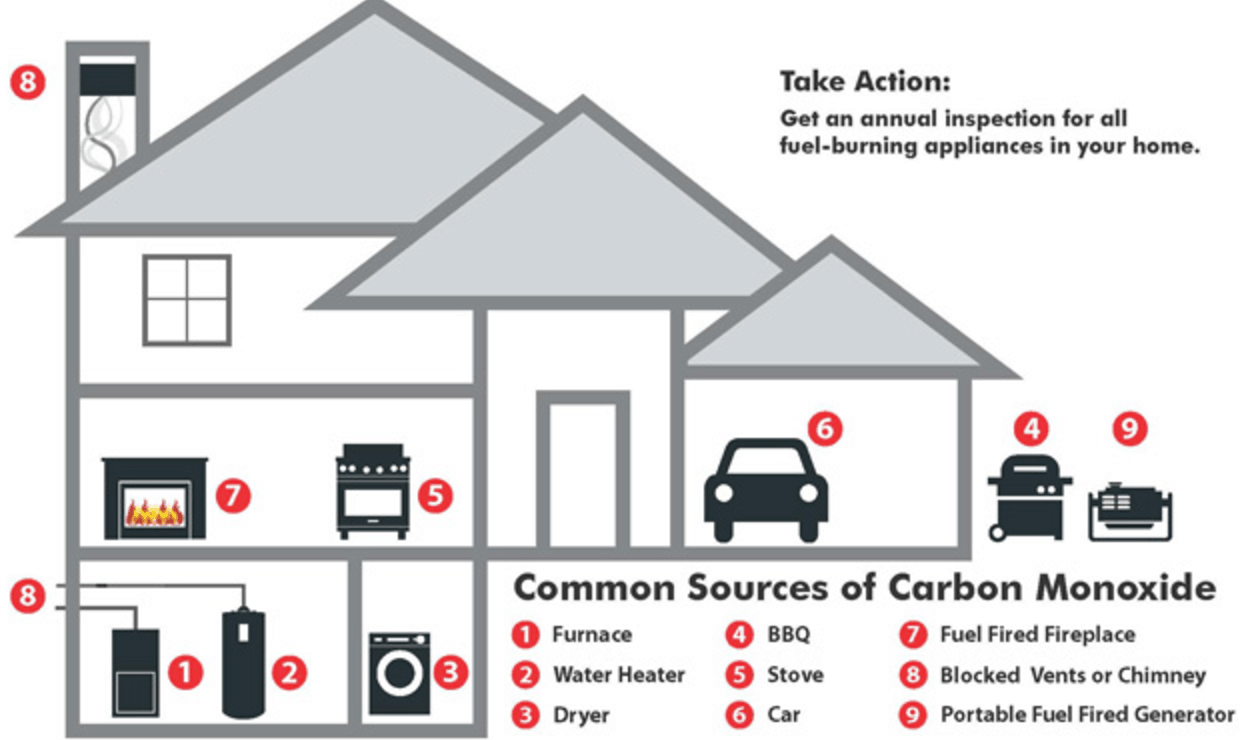
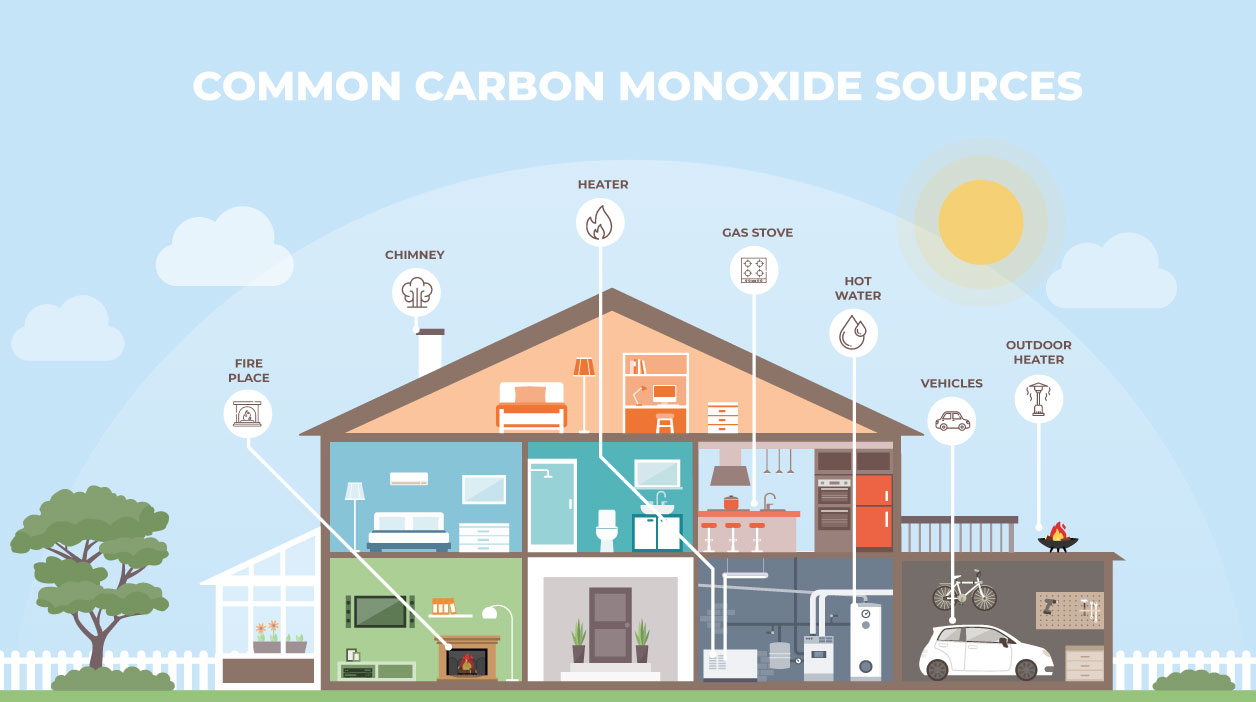
The biggest culprits are usually things that burn fuel to keep you warm and cozy. Think of your furnace, that big metal beast lurking in the basement or attic. It’s supposed to convert fuel into heat, but sometimes, things go a little haywire. A cracked heat exchanger, for example, is like a leaky dragon lung, potentially releasing carbon monoxide instead of just pure, warm air. Regular inspections by a qualified technician are key to keeping this beast happy and healthy – and more importantly, not poisoning you!
Then there's the water heater. This unsung hero quietly toils away, providing hot showers and clean dishes. But if its burner isn't properly adjusted or its vent is blocked, it can become a carbon monoxide factory. Picture it: you’re belting out your favorite tunes in the shower, oblivious to the silent danger brewing just a few feet away. Not exactly the shower scene you envisioned, is it?
Must Read
And let's not forget the charming, crackling fireplace. Ah, the romance! The cozy evenings! But a poorly maintained chimney can turn that romantic scene into a smoky, dangerous one. Chimneys need to be cleaned regularly to remove creosote, a highly flammable substance that can block the flue. A blocked flue means nowhere for the combustion gases to go…except back into your living room. Not ideal for your romantic evening.
Even portable space heaters, while convenient, can be a source of carbon monoxide if used improperly or in poorly ventilated spaces. They are like tiny dragon whelps; adorable at first, but capable of delivering a nasty surprise if you aren't careful.
The Sneaky Culprits: You Might Be Surprised
But wait, there’s more! Carbon monoxide can sneak in from unexpected places. Attached garages, for example, can be a surprising source. Starting your car in a closed garage is a big no-no. It's like trying to keep a dragon in a tiny box; the fumes will find a way out, often into your house. Even with the garage door open, brief start-ups can lead to elevated levels inside if the garage is tightly sealed.
Imagine this scenario: you are late for work; you rush to the car; quickly start it, and remember you left your lunch on the counter. Quickly go back inside without turning off the car! Carbon monoxide can seep into your house while you pack lunch.
Another sneaky culprit? Backdrafting. This happens when the exhaust gases from your appliances are pulled back into your house instead of being vented outside. This can be caused by a number of factors, including blocked vents, negative air pressure in the house (caused by running exhaust fans or a clothes dryer), or even wind conditions. It's like the dragon deciding it doesn't like the way the wind is blowing and just exhaling back inside.
The Carbon Monoxide Detector: Your Home's Best Friend
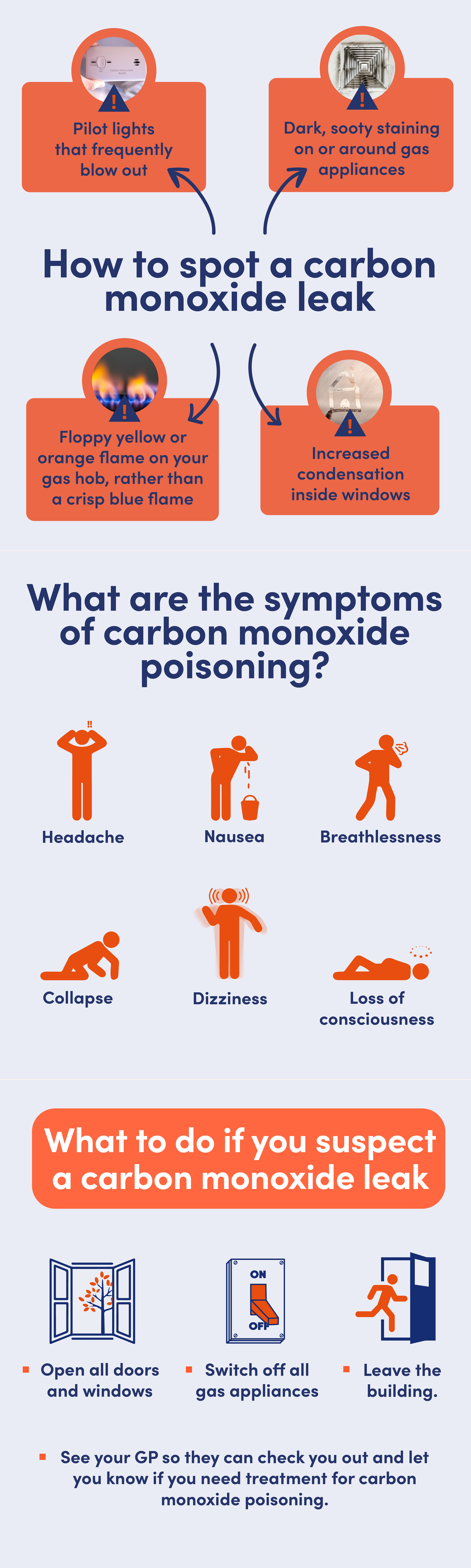
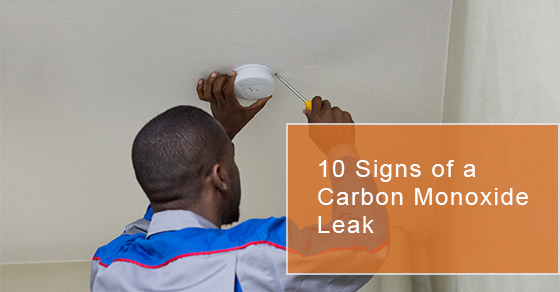
So, how do you protect yourself from this silent intruder? The answer is simple: carbon monoxide detectors! Think of them as your home's loyal watchdogs, constantly sniffing the air for danger. Install them on every level of your home, especially near sleeping areas. Check them regularly to make sure they're working properly. It's a small investment that could save your life. Change the batteries with daylight savings time!

When the alarm goes off, treat it like a real emergency. Get everyone outside immediately and call 911. Do not re-enter the house until the fire department or a qualified professional has determined that it is safe.
Remember, carbon monoxide is a serious threat. Take the time to inspect your appliances, maintain your chimney, and install carbon monoxide detectors. It's a small price to pay for peace of mind and a safe, healthy home. Think of it as giving your dragon a regular checkup, ensuring it breathes clean, warm air instead of something sinister. And maybe lay off the garlic for a day or two; even dragons appreciate good breath.
Your health and safety are paramount, and understanding where carbon monoxide leaks can originate is the first step in protecting your loved ones and creating a safer living environment.