
Where Do You Put Weather Stripping On A Door
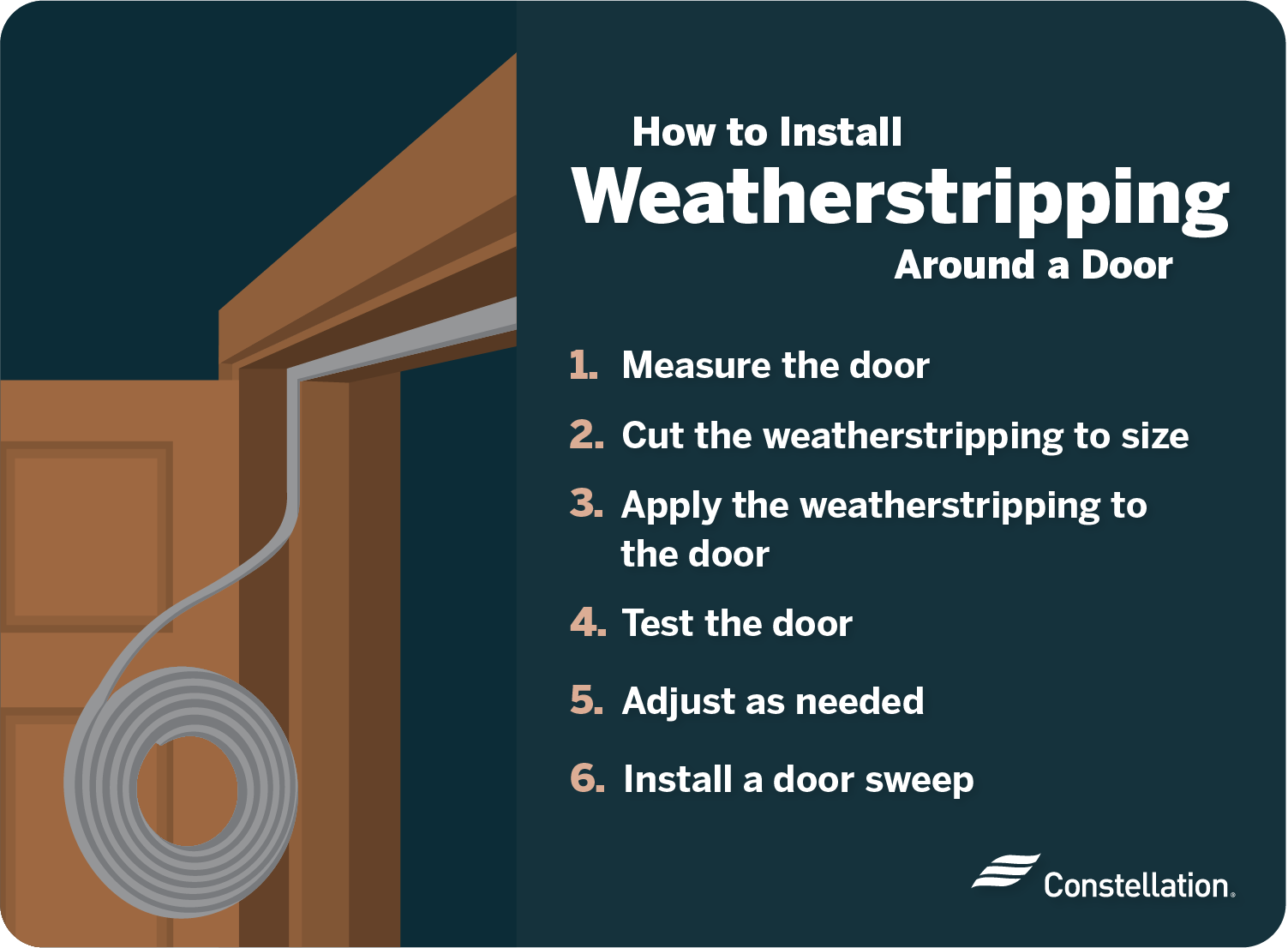
Hey there, curious minds! Ever feel a sneaky draft whispering around your doorframe, even when the windows are shut tight? Or maybe you've noticed your energy bill creeping up like a vine, slowly but surely strangling your wallet? Well, chances are, your door might be leaking precious heat (or cool air, depending on the season). And the unsung hero ready to swoop in and save the day? Weather stripping! But... where exactly does this magical material go?
Think of your door as a vault. A vault designed to keep the good stuff in (comfortable temperatures!) and the bad stuff out (pesky drafts, unwanted critters). Now, even the best-built vaults have seams and cracks, right? That’s where weather stripping comes in! It's like the vault's sealant, ensuring nothing sneaks past uninvited.
Finding the Leak's Lair: A Doorway Detective Story
Before we dive into the "where," let's become doorway detectives! The first step is to pinpoint those sneaky leak locations. How? Well, here are a few tricks:
Must Read
- The "Hand Test": On a breezy day, simply run your hand along the edges of your closed door. Do you feel a chilling draft? Bingo! That's where the enemy (the unwanted air) is breaching the defenses.
- The "Candle Trick": Carefully hold a lit candle (or a lighter) near the doorframe. If the flame flickers wildly, you've found a draft hotspot! (Just be super careful not to burn anything down, okay?)
- The "Visual Inspection": Sometimes, the problem is staring you right in the face! Look closely at the doorframe. Are there visible gaps, cracks, or signs of worn-out weather stripping?
Now that you've identified the leak zones, let's get down to business!
Weather Stripping Hotspots: Where the Magic Happens
Generally, weather stripping goes in a few key locations around your doorframe. Think of it like applying armor to your doorway, strategically protecting the most vulnerable points.

The Top and Sides: This is usually the primary area for weather stripping. You'll want to apply it along the entire length of the door jamb (the vertical and horizontal parts of the frame where the door rests when closed). This creates a tight seal against the door itself.
The Bottom: The bottom of the door is another notorious draft culprit. Here, you'll typically use a door sweep or a door bottom. A door sweep is a strip of material that attaches to the bottom of the door and brushes against the threshold (the floor underneath the door) to block airflow.
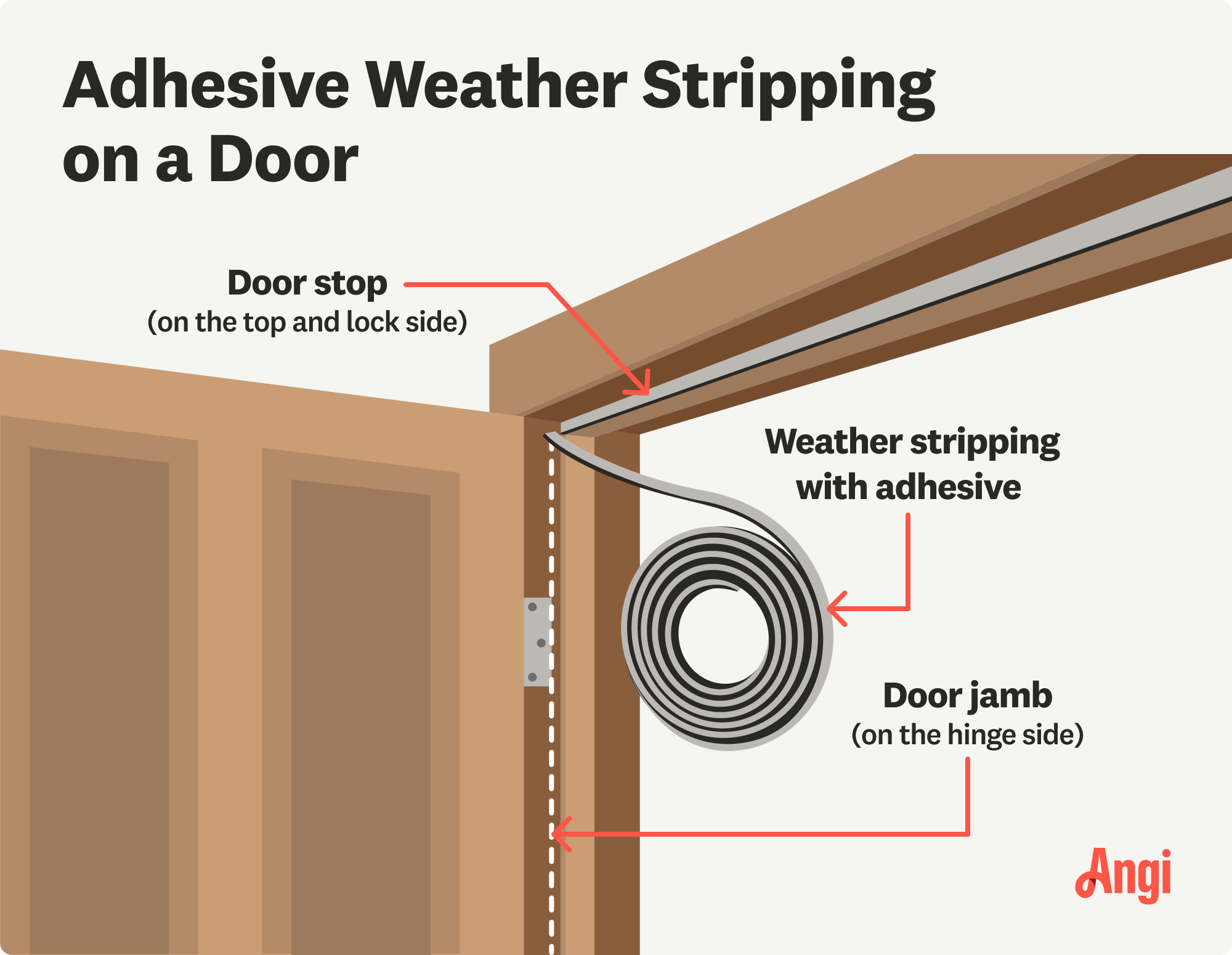
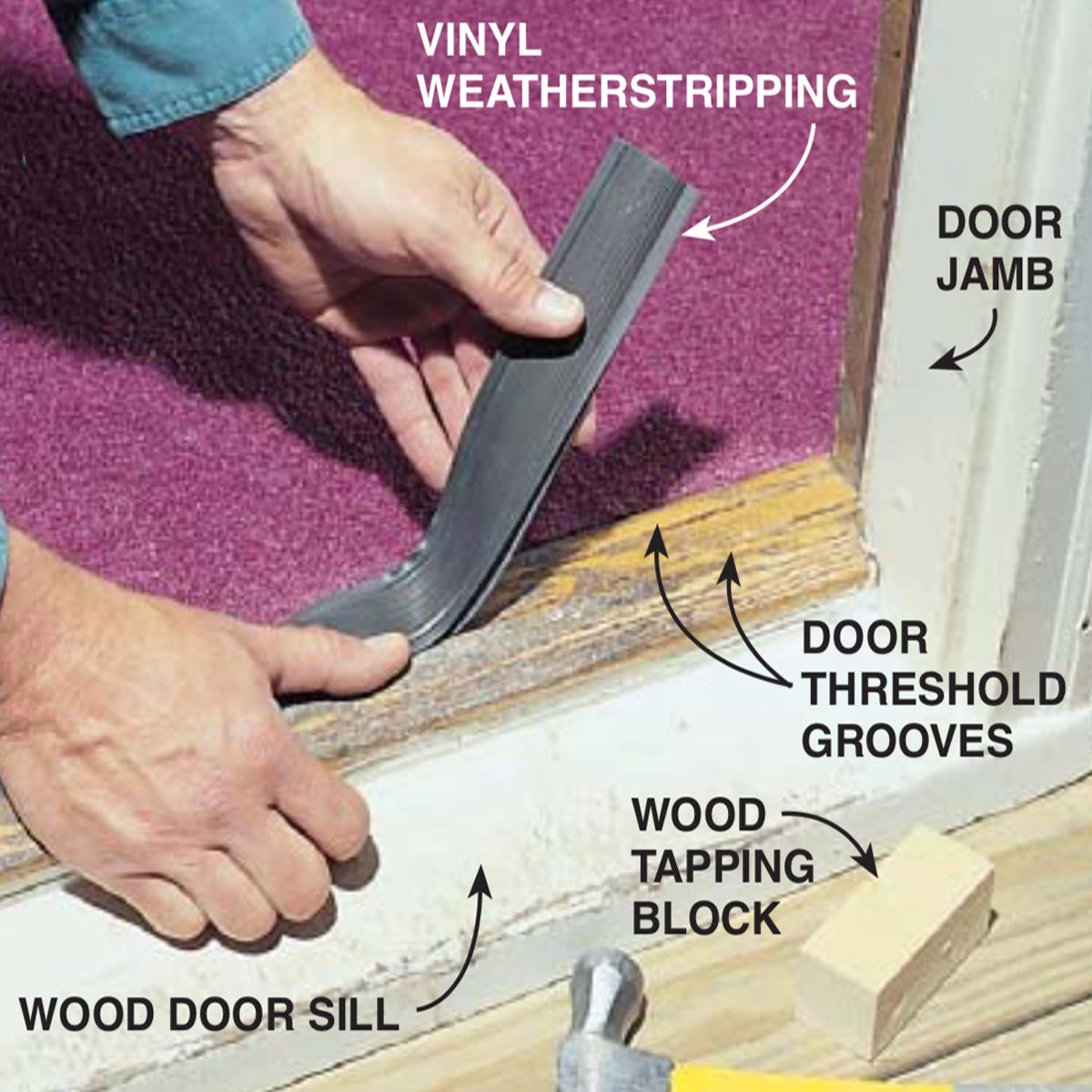
The Threshold: Speaking of thresholds, sometimes they need a little love too! If your threshold is damaged or uneven, it can create a gap even with a good door sweep. Consider replacing or adjusting your threshold to ensure a snug fit.
Imagine your doorframe as a picture frame. Weather stripping is like the tape you use to seal the back of the frame, preventing dust and light from seeping in. Except in this case, it’s preventing drafts and saving you money!
Types of Weather Stripping: Choosing Your Weapon
Now, there are different types of weather stripping, each with its own strengths and weaknesses. Think of it like choosing the right tool for the job. You wouldn't use a hammer to screw in a screw, right?
- Foam Tape: This is a common and inexpensive option. It's easy to install, but it's not the most durable and might need replacing more often.
- Felt Weather Stripping: Similar to foam tape, felt is affordable and easy to apply. However, it also tends to wear out relatively quickly.
- V-Strip Weather Stripping: Made of vinyl or metal, V-strips are more durable than foam or felt and create a tight seal when the door is closed.
- Door Sweeps: As mentioned earlier, door sweeps attach to the bottom of the door and come in various materials, including rubber, vinyl, and metal.
Choosing the right type of weather stripping depends on your budget, the severity of the drafts, and your DIY skills. Don't be afraid to experiment to find what works best for you!

The Cool Factor: Why Weather Stripping is Awesome
Okay, so maybe weather stripping doesn't sound like the most exciting topic in the world. But here's why it's actually pretty cool:
- Money Savings: By sealing up drafts, you're reducing energy loss and lowering your heating and cooling bills. That's money back in your pocket!
- Comfort: No more chilly drafts in the winter or sweltering heat seeping in during the summer. Weather stripping helps maintain a consistent and comfortable temperature in your home.
- Pest Control: Weather stripping can help keep out unwanted critters like insects and spiders. Nobody wants uninvited guests crashing the party!
- Noise Reduction: Weather stripping can also help dampen outside noise, creating a quieter and more peaceful living environment.
Think of weather stripping as a tiny, tireless guardian, working 24/7 to protect your home and your wallet. Not so boring now, is it?
So, there you have it! A crash course in weather stripping placement. Now go forth, armed with your newfound knowledge, and conquer those drafts! Your cozy, energy-efficient home will thank you. And remember, even small improvements can make a big difference. Happy weather stripping!