
Where Do You Find Nuclear Energy

Imagine a power so fundamental, so ancient, it literally lights up our entire world. Not hidden in a lab, it touches us all, often in surprising and delightful ways. We're talking about nuclear energy, found in many unexpected places.
Let's start with the biggest, brightest nuclear reactor you know: the Sun! Every warm ray, every growing plant, comes from nuclear reactions millions of miles away. It's the ultimate cosmic power plant, tirelessly fusing atoms to give us life.
That warm, cozy feeling when sunlight hits your face? That's a gentle kiss from nuclear energy, traveling across the vastness of space. It reminds us that nuclear power is about the fundamental building blocks of the universe doing their thing.
Must Read
And it's not just our Sun; every twinkling star in the night sky is a distant, magnificent nuclear furnace. They are celestial lighthouses, each performing its own grand nuclear ballet, creating the elements that eventually form planets and even us. It's a truly mind-boggling thought.
Now, let's bring it a little closer to home – right beneath your feet, in fact! The Earth itself is a giant, gently simmering pot of nuclear warmth. Deep within our planet's core, naturally occurring radioactive elements like uranium and thorium are slowly decaying.
This natural process generates immense heat, contributing to phenomena like volcanic activity and geothermal energy. So, when you marvel at a geyser or enjoy a hot spring, you're experiencing the Earth's very own, slow-motion nuclear heater at work. It's an unseen furnace keeping our world toasty.
But wait, there's more! What if I told you nuclear energy is probably in your breakfast? Yes, really! If you've ever enjoyed a delicious banana, you've consumed a tiny, perfectly safe dose of naturally occurring radiation.

Bananas contain potassium, and a small fraction of that potassium is a naturally radioactive isotope called potassium-40. It’s completely harmless, a fun little tidbit that nuclear energy literally shows up on your kitchen counter. So don't throw out those bananas!
It’s not just bananas either. Other everyday items like Brazil nuts, certain types of kitty litter, and even the beautiful granite countertops in your kitchen can contain trace amounts of natural radioactivity. These are tiny, safe levels, a natural part of our environment.
You're also constantly bathed in something called cosmic rays – high-energy particles zipping through space from distant stars and galaxies. These energetic particles interact with our atmosphere, creating a constant, low-level natural radiation background. It's like a gentle, universal hum.
Moving from the cosmic to the convenient, let's talk about some places humans have harnessed this incredible power. One tiny, indispensable hero is the common smoke detector found in homes everywhere. Many of these devices contain a minuscule amount of a radioactive element called americium-241.

This element creates a tiny electric current within the detector. When smoke enters, it disrupts this current, triggering the alarm. It's a tiny, silent nuclear guardian, working tirelessly to keep your family safe without you ever having to think about it.
Then there's the world of healing. Nuclear medicine might sound intimidating, but it's a field dedicated to saving and improving lives. Doctors use specially prepared radioactive isotopes, often called radiopharmaceuticals, to peer inside our bodies.
These incredible tools allow them to diagnose diseases like cancer or heart conditions with incredible precision. They can also target and treat cancerous cells, delivering powerful, life-saving radiation directly where it's needed. Countless patients recover and thrive thanks to them.
What about journeying to the farthest reaches of our solar system? Nuclear energy is the silent, tireless engine behind some of humanity's most ambitious space missions. Think of the Voyager probes, launched decades ago, still sending back data from interstellar space.
They rely on something called Radioisotope Thermoelectric Generators, or RTGs. These clever devices convert the heat from decaying plutonium into electricity, keeping spacecraft like Curiosity on Mars or New Horizons past Pluto powered for decades. It's like a long-lasting nuclear battery, enabling our eyes and ears in the cosmos.
And on Earth, some of the most powerful and enduring machines are powered by nuclear energy. Consider the mighty nuclear submarines that can travel underwater for months, even years, without needing to refuel. They are silent giants, guardians of the deep, powered by compact nuclear reactors.
Similarly, colossal aircraft carriers, essentially floating cities, use nuclear power to propel them across oceans at impressive speeds. This allows them to project power and humanitarian aid anywhere in the world, staying at sea for extended periods without stopping.
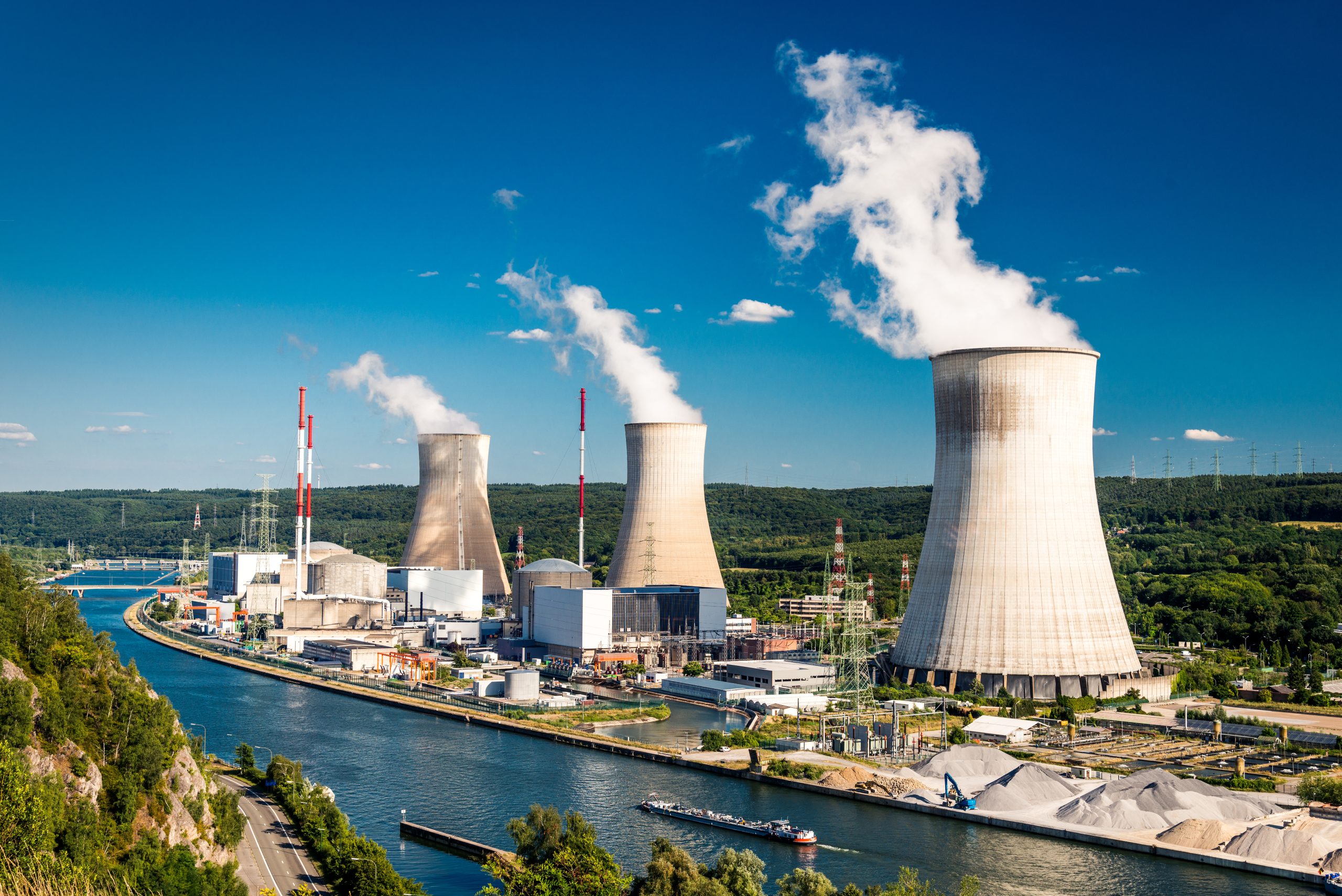
Of course, the most well-known application is for generating electricity. Nuclear power plants, often seen as imposing structures, are actually quiet, diligent workhorses. They use controlled nuclear reactions to heat water, creating steam that spins turbines to generate electricity.
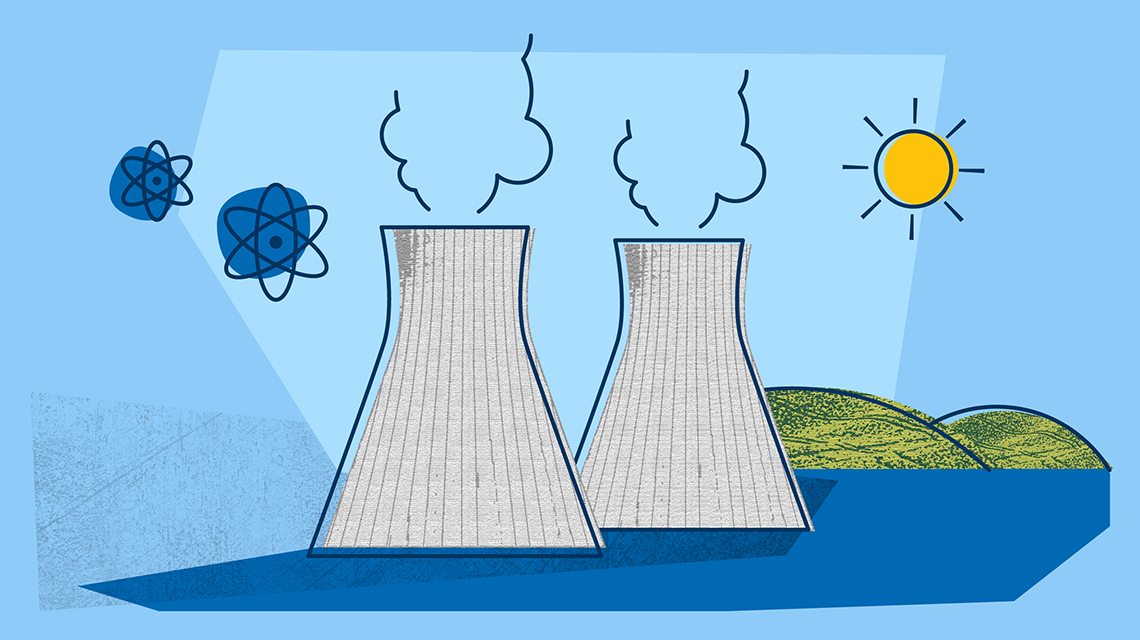
These plants provide reliable, carbon-free energy to millions of homes and businesses around the clock. They are a crucial part of our modern infrastructure, quietly humming along, helping to power your lights, charge your phone, and keep your life running smoothly.
From the fiery heart of distant stars to the comforting glow of your bedside lamp, nuclear energy is woven into the very fabric of our existence. It’s in the food we eat, the air we breathe, the medical scans that save lives, and the intrepid probes exploring new worlds.
It’s not just a scientific concept; it’s a constant, sometimes surprising, sometimes heartwarming presence. It reminds us that the universe is alive with incredible forces, and we are wonderfully, intrinsically connected to them all.
So next time you see a banana, give a little nod to the amazing nuclear energy it represents!