
Where Do You Find Natural Gas
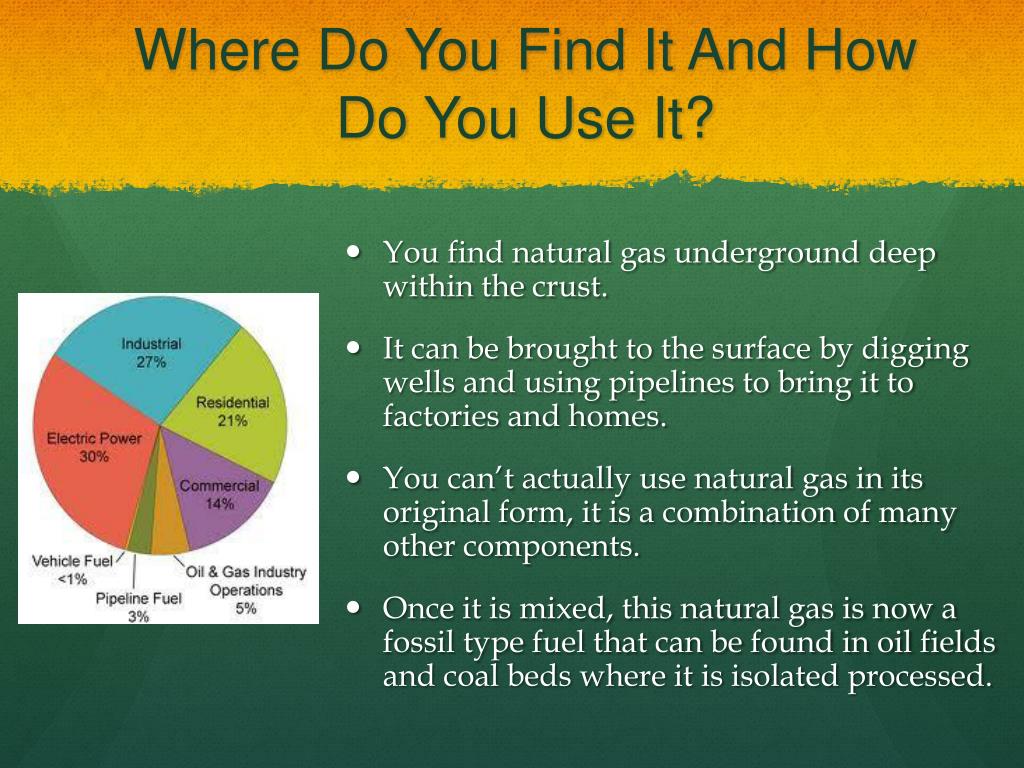
Picture this: You’re whipping up a storm in the kitchen, the burner blazing perfectly for your stir-fry. Or maybe you're nestled on the couch, wrapped in a blanket, feeling the cozy warmth of your home on a chilly evening. Perhaps you just flipped a switch, and voilà, the lights came on. What's powering so much of this everyday magic? Often, it's natural gas! But have you ever paused to wonder, even for just a second, where does all that amazing gas actually come from?
It’s not just piped in from thin air, you know! The journey of natural gas from its mysterious origins to your stove top is actually a pretty wild and wonderful story. And honestly, once you hear it, you might just look at your gas bill with a whole new sense of awe.
Deep Down, Way Down!
Let’s start at the very beginning, millions and millions of years ago. We’re talking ancient Earth here, long before humans were even a glimmer in evolution's eye. Imagine vast oceans teeming with tiny marine plants and animals, or lush swamps filled with enormous trees and decaying vegetation. When these organisms died, their remains settled on the ocean floor or at the bottom of these ancient swamps.
Must Read
Over vast stretches of time – we're talking about millions of years – layers upon layers of sediment (sand, silt, rock) piled on top of these organic remains. This immense weight, combined with incredible heat from the Earth's core, started to work some serious magic. The organic material didn't just rot away; it was slowly, steadily transformed. Under all that pressure and heat, it turned into something truly special: hydrocarbons.
And guess what? Natural gas is primarily made up of one of the simplest hydrocarbons: methane. So, in a nutshell, your stove gas is essentially the highly compressed, super-heated remains of ancient life. Pretty cool, right? It's like a fossil fuel superhero!
Finding the Hidden Treasures
So, it’s all squished and cooked deep underground. But how do we actually find it? It’s not like there are giant, glowing signs pointing to natural gas reserves. This is where the real geological detective work begins!
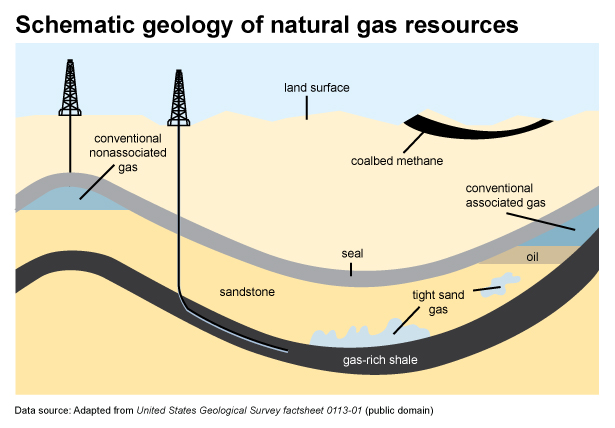
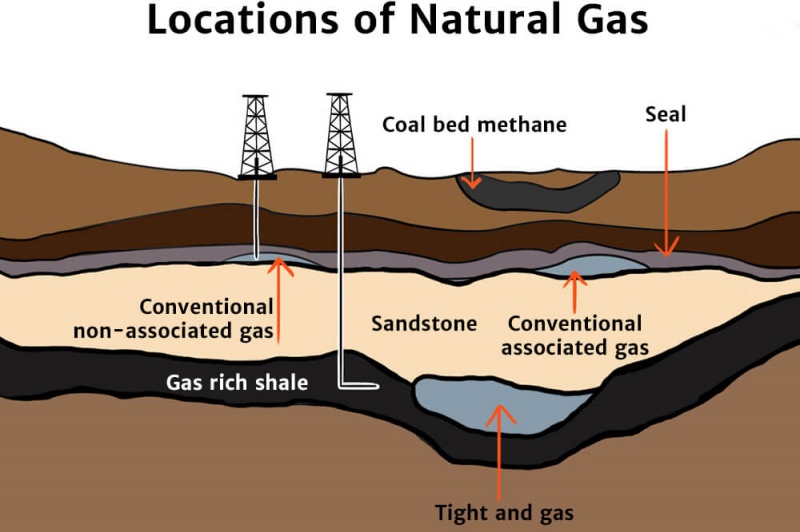
Think of the Earth's crust as a giant, complex puzzle with different layers of rock. Natural gas doesn't just hang out in big open caverns. Instead, it gets trapped in what are called reservoirs. These reservoirs are often made of porous rocks, like sandstone or limestone. Imagine a huge sponge deep underground, filled with gas instead of water!
These gas-filled sponges are usually capped by layers of impermeable rock – rocks that gas can’t easily pass through, like shale or salt. These caps act like perfect seals, keeping the natural gas locked away until we can come along and gently coax it out. It’s a bit like opening a perfectly preserved time capsule!
The Detectives and the Drills
How do we pinpoint these hidden gas sponges? Enter the brilliant minds of geologists and geophysicists! They are the ultimate treasure hunters of the energy world. They use incredible technology, often starting with seismic surveys.
Imagine sending sound waves deep into the Earth, bouncing them off those various rock layers, and then listening to the echoes. By carefully analyzing these echoes, scientists can create detailed, 3D maps of what lies hundreds or even thousands of feet beneath the surface. It’s like giving the Earth an ultrasound! They can literally "see" where the porous rocks are, where the impermeable caps might be, and where natural gas is most likely to be hiding.
Once a promising spot is identified, then comes the next big step: drilling. This is where engineering really shines! Massive rigs are used to drill wells deep into the Earth, sometimes going miles down and then even horizontally for thousands of feet. It’s an incredibly precise and intricate process, designed to safely tap into those gas reservoirs and bring the precious fuel to the surface.

Sometimes, the gas is in "conventional" reservoirs – easier to access. Other times, it's trapped in very tight rock formations, like shale, in what are called "unconventional" reservoirs. Getting this gas out requires even more advanced techniques, showcasing humanity's incredible ingenuity in harnessing the Earth's resources.
Connecting Us All
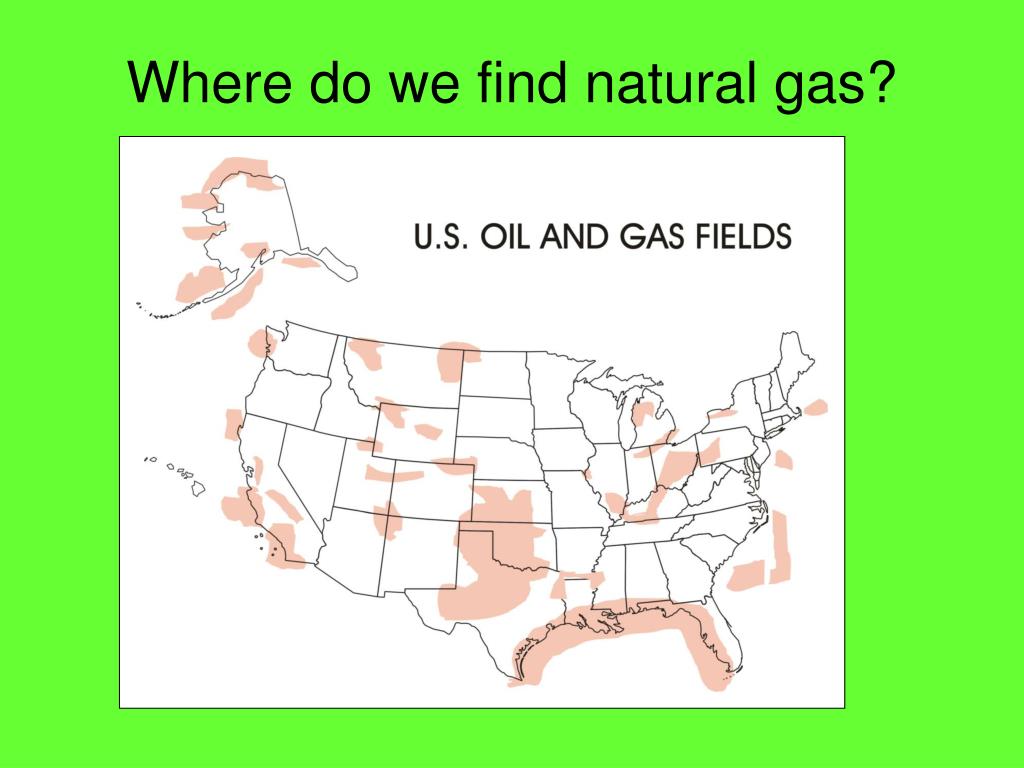
And guess what? Natural gas isn't just found in one little corner of the world. It's distributed globally! Major reserves are found in places like North America, Russia, and the Middle East, connecting us all through a vast network of pipelines and global trade. It’s a truly international energy source!
So, the next time you marvel at the efficiency of your gas stove, the warmth of your heater, or the steady flow of electricity that powers your devices, take a moment. That reliable energy started its journey millions of years ago, as tiny organisms, transformed by Earth’s immense forces, then found and carefully brought to you by incredible human ingenuity.
It’s a story of ancient history, cutting-edge science, and human endeavor all rolled into one. It’s a reminder that even the most mundane parts of our lives are often connected to profound geological processes and amazing human innovation.
Isn't that inspiring? Knowing this makes life a little more fun, a little more wondrous, don't you think? It makes you appreciate the incredible planet we live on and the cleverness of the people who help harness its power for our comfort and convenience. So go ahead, next time you turn on that burner, give a silent nod to the millions of years and miles of effort that went into making your dinner possible.
The Earth holds so many incredible secrets, and learning about them truly enriches our everyday experiences. Keep that curiosity burning bright!