Where Do We Get Fossil Fuels
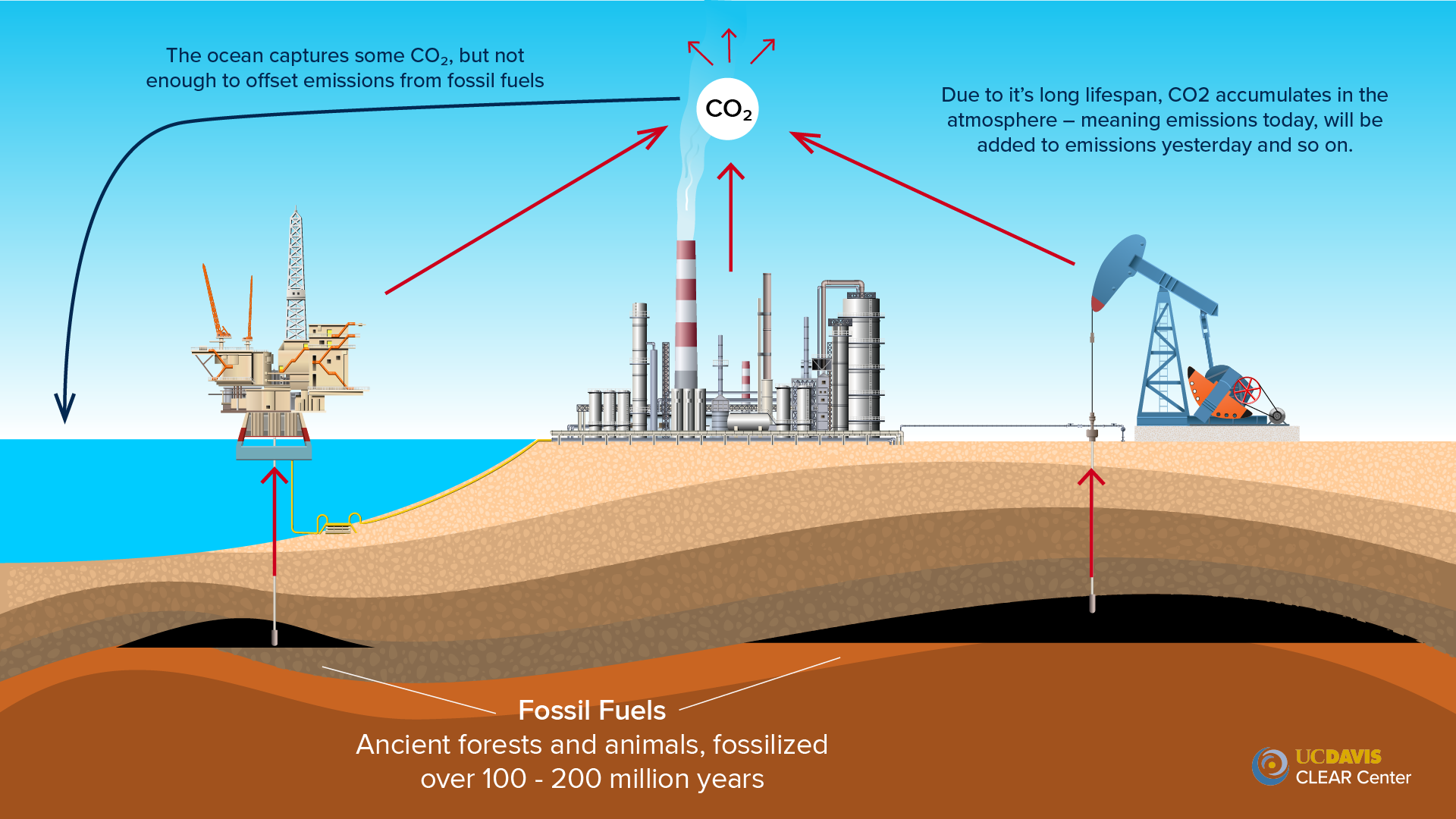
Imagine fueling your car, heating your home, or even charging your phone – ever stopped to wonder where all that energy really comes from? It's easy to just flick a switch or fill up a tank and not give it a second thought. But tucked away beneath our feet is a truly mind-boggling story, a deep dive into Earth's history that provides us with what we call fossil fuels. Getting curious about their origins isn't just for geologists; it’s a fascinating way to connect with our planet’s past and understand a huge part of our modern world. It’s like uncovering a secret, ancient energy vault, built over eons.
So, what exactly are fossil fuels for? Simply put, they are incredibly dense and concentrated sources of energy. For centuries, humanity has tapped into these natural reservoirs – primarily coal, oil, and natural gas – to power our progress. They're the backbone of our global energy system, driving everything from massive industrial machinery to the tiny spark that ignites your stove. The primary benefit is their sheer energy content, which, combined with their historical abundance and relative ease of extraction, has allowed for the rapid expansion of technology, transportation, and infrastructure across the globe. They've been the engine behind much of the modern world’s development, providing relatively cheap and reliable power that transformed societies.
You encounter fossil fuels almost constantly in your daily life, often without realizing it. That brisk morning commute? Your car probably runs on gasoline, which is refined from crude oil. The electricity powering your laptop or the lights in your home might come from a power plant burning coal or natural gas. Even many plastics, from your phone case to food packaging and synthetic fabrics, are made from petrochemicals derived from oil. In education, understanding fossil fuels is crucial for geography classes when discussing natural resources, for chemistry when learning about complex hydrocarbons, and for environmental studies exploring energy consumption, resource depletion, and climate change. They offer a tangible link to discussions about immense geological time scales and complex resource management.
Must Read
Want to explore this ancient energy source further? Next time you’re at a gas station, take a moment to really look at the pump and ponder the incredible journey that fuel took from deep underground. You could watch documentaries about energy sources – there are many fantastic ones explaining the formation and extraction processes of oil, coal, and natural gas. Or, simply open an atlas or use an online map to look for regions known for significant oil fields or coal basins; it’s often tied to fascinating geological histories. Thinking about the millions of years it took for these resources to form, and the immense pressure and heat involved, really puts their value and finite nature into perspective. It's a grand story, literally beneath our feet, waiting for you to uncover!
It truly makes you think about our planet’s incredible capacity to transform ancient life into the energy that powers our present.