Where Do Waves Get Their Energy

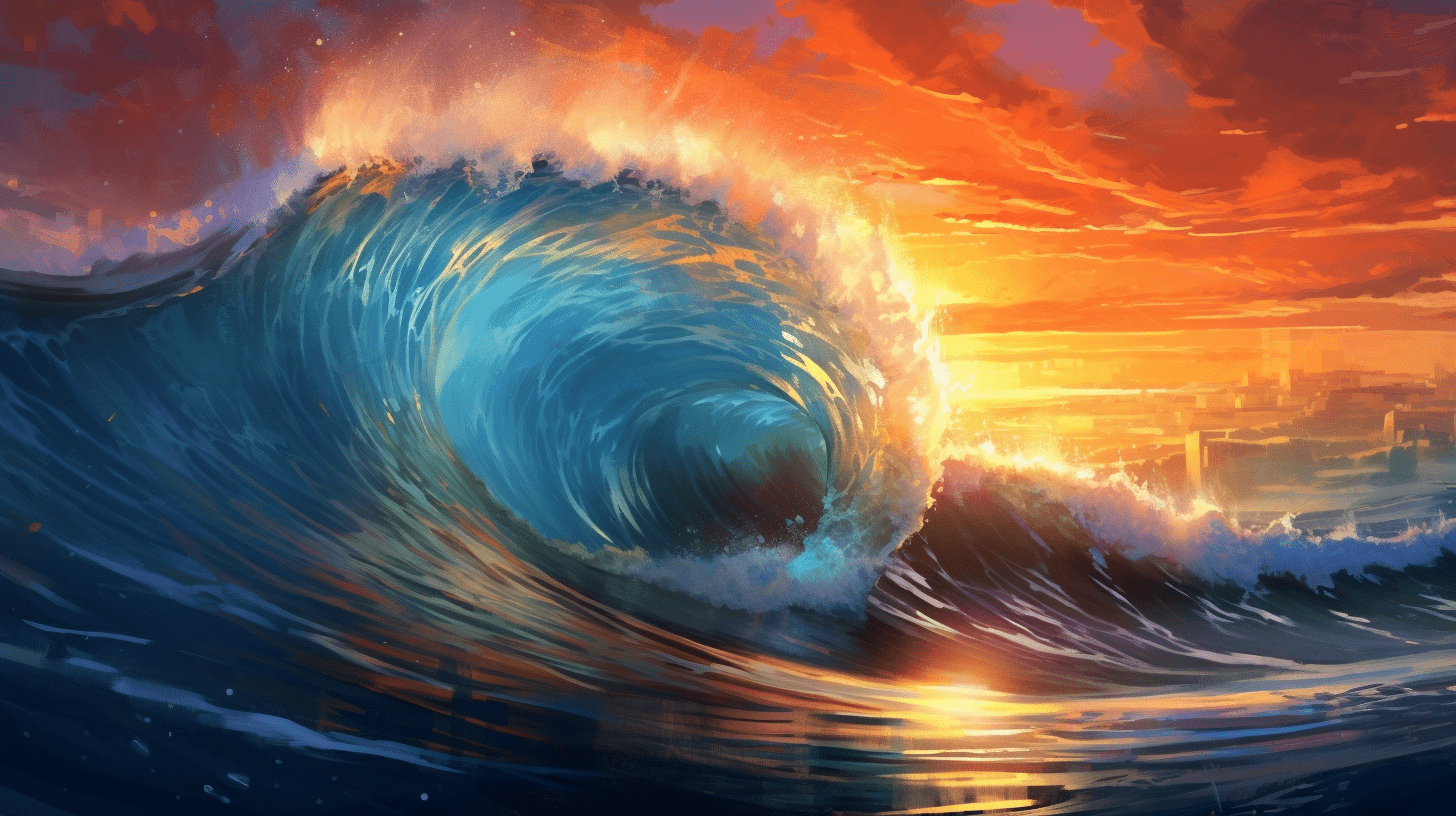
There's something incredibly mesmerizing about watching waves. Whether it's the gentle lapping at a lake's edge or the thunderous crash of ocean swells, waves are a constant, powerful, and beautiful reminder of nature's dynamism. They're not just for surfers or sailors; they're a fundamental part of our world, shaping coastlines and stirring our imaginations. Ever stopped to wonder, though, where all that incredible energy comes from? It's a fantastic question, and understanding the simple answer unlocks a deeper appreciation for every ripple and roar you encounter.
This topic is wonderfully accessible for everyone. For the beginner or simply the curious mind, it demystifies a common natural phenomenon, turning a casual observation into an "aha!" moment. Families can use it as a brilliant conversation starter on beach trips, teaching kids about basic physics in a totally engaging, real-world way. Imagine explaining to your child why the waves are bigger today – it connects them to the weather and the environment around them! And for hobbyists, like aspiring surfers, keen photographers, or even coastal walkers, grasping the source of wave energy isn't just interesting; it's genuinely useful. Surfers, for instance, are always chasing the best energy transfer from wind to water, while photographers can better anticipate and capture the raw power of a stormy sea knowing its origin.
So, where does this wave energy actually come from? For most of the waves you see on oceans, lakes, and even sizable ponds, the answer is surprisingly simple: wind. Yes, it's the invisible force of the wind blowing across the surface of the water that does the magic. As the wind skims over the water, it creates friction, subtly pushing and pulling the water molecules. This tiny disturbance gradually builds, transferring its kinetic energy to the water. The longer the wind blows, the stronger it blows, and the greater the distance (known as "fetch") it has to act upon the water, the more energy it imparts, resulting in bigger, more powerful waves. Think of it like pushing a swing – the more you push, the higher it goes! While wind is the primary source for surface waves, it's worth noting other incredible forces create different types of water movement: underwater earthquakes can cause massive tsunamis, and the gravitational pull of the moon and sun creates the daily tides. But for your everyday breakers, it’s all about the wind's persistent transfer of energy.
Must Read
Ready to start noticing this energy transfer for yourself? Here are some easy tips: Next time you're near a body of water, simply observe. Pay attention to the wind's presence. On a calm, windless day, you'll likely see a smooth, glassy surface. But as the wind picks up, even slightly, you'll start to see ripples form, growing into small waves. Watch how a floating leaf or a piece of driftwood bobs up and down; it doesn't travel with the wave much, proving that it's the energy that's moving through the water, not necessarily the water itself. You can also check a weather forecast for wind speed before heading to the coast – you'll quickly learn to correlate stronger winds with more dramatic wave action.
Understanding where waves get their energy from is a small piece of knowledge that adds so much to our appreciation of the natural world. It transforms a simple beach day into a dynamic physics lesson, reminding us that even the most common phenomena hold fascinating secrets. So next time you hear the roar of the ocean or feel the gentle sway of a boat, remember the invisible hand of the wind, tirelessly gifting the waves their magnificent power and endless motion. It's a wonderful feeling to know the story behind the spectacle!