
Where Do Hurricanes Occur The Most In The Us
Alright, buckle up buttercups, because we're about to dive headfirst into the wild world of hurricanes! Specifically, we're hunting down the spots in the good ol' US of A that these swirling dervishes of wind and rain love to visit the most. Think of it as storm tourism, but you definitely DON'T want to be on the itinerary.
Forget those boring travel brochures, we're going straight for the eye of the storm...metaphorically, of course. We're talking about pinning down where Mother Nature likes to throw her biggest, splashiest parties.
The Sunshine State's Stormy Secret
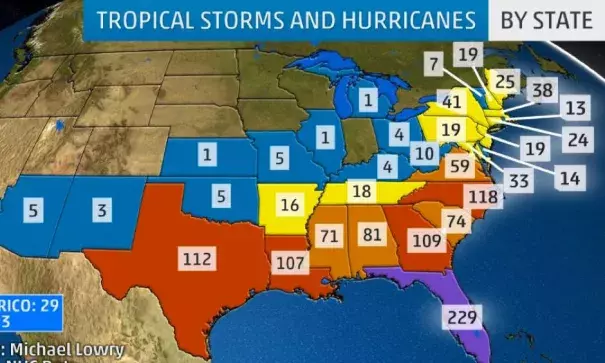
Let's start with a real heavyweight contender: Florida! Now, I know what you're thinking: sunshine, beaches, theme parks... and hurricanes? Yep, Florida gets hit more than a clumsy mime at a pie fight. It is the undisputed champion of hurricane encounters in the US.
Must Read
Florida juts out into the Atlantic and the Gulf of Mexico like a big, tempting target. It’s basically yelling, "Come at me, bros!" to every tropical cyclone brewing in the warm ocean waters.
Just picture it: those warm waters are like a hurricane energy drink. Once these storms get a taste, they're hooked! Florida is often the first stop on their wild, destructive road trip.
Why Florida? Let's Break It Down
So, why is Florida the hurricane magnet? Well, for starters, it's surrounded by warm water. Warm water is hurricane fuel, pure and simple, like the world's largest, most chaotic gas station.
The state's geography doesn't help either. Its long coastline offers ample opportunity for these storms to make landfall and crash the party.
And let's not forget that Florida has a knack for being in the path of hurricanes coming from both the Atlantic and the Gulf. Talk about being in the wrong place at the wrong time!
Gulf Coast Blues (and Greens, and Maybe a Little Brown)
But Florida isn't the only state feeling the hurricane heat. The entire Gulf Coast is basically a hurricane hotspot, with states like Texas, Louisiana, Mississippi, and Alabama all getting their fair share of stormy weather.
Think of the Gulf Coast as Florida's slightly less flamboyant, but equally susceptible sibling. It experiences hurricanes too, but maybe without as much of the spotlight.
These states are vulnerable because they sit right on the warm waters of the Gulf of Mexico, just waiting for a hurricane to rumble on over. It's like leaving cookies out for Santa, but instead of Santa, it's a swirling vortex of wind and rain.
Louisiana: A Low-Lying Lament
Louisiana, in particular, faces some unique challenges. A significant portion of the state is at or below sea level, making it especially vulnerable to storm surge, the deadly wall of water pushed ashore by hurricanes.
Imagine a bathtub overflowing. Now imagine that bathtub is the Gulf of Mexico and your house is New Orleans. Not a pretty picture, is it?
Hurricanes like Katrina and Ida serve as stark reminders of the devastating impact these storms can have on Louisiana and the entire Gulf Coast. These events are a somber, but essential, part of the hurricane conversation.
The Atlantic Coast: Not to Be Outdone
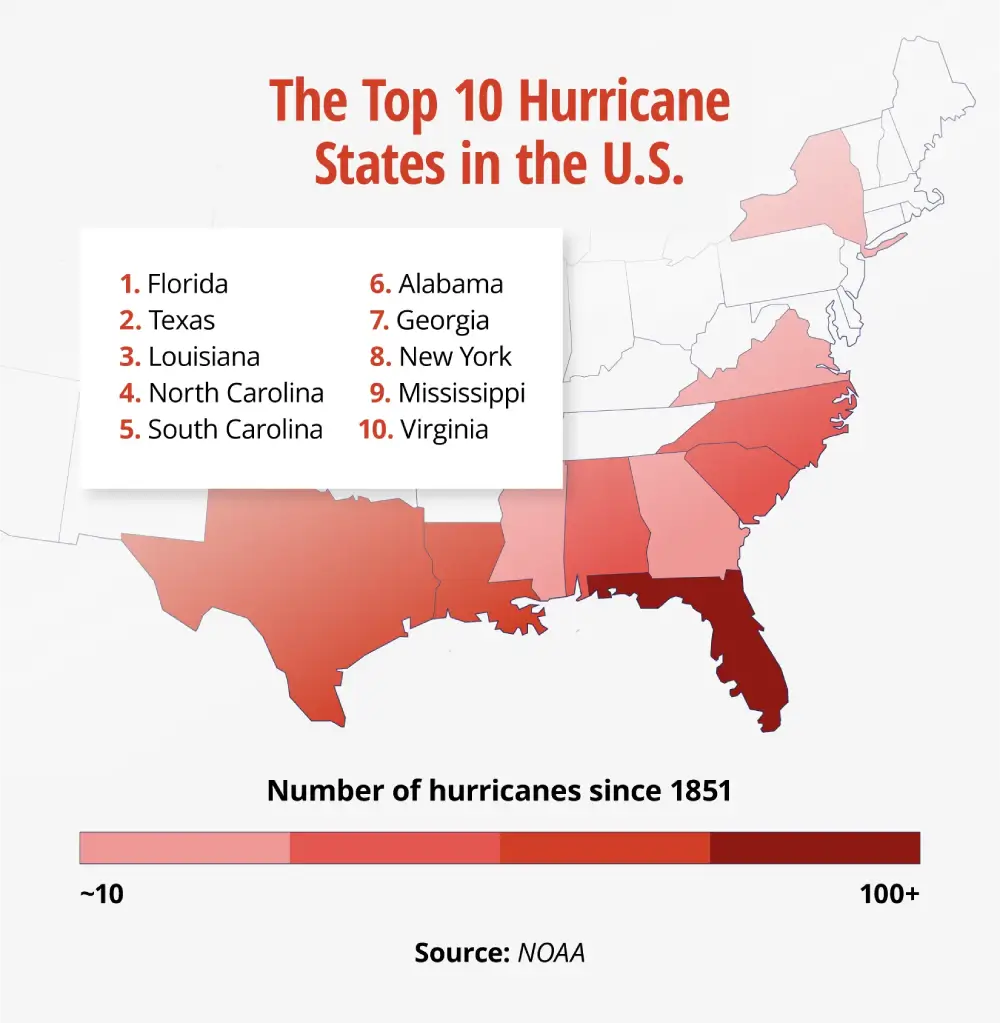
Don't think the Atlantic Coast is getting off scot-free! States like North Carolina, South Carolina, and even New York (yes, even New York!) have seen their share of hurricane action.
![The 10 States Hit Most Often by Hurricanes [2024]](https://rainbowrestores.com/us/en-us/rainbow-restoration/_assets/images/where-did-most-destructive-us-hurricanes-hit-rbw.webp)
While the Gulf Coast might see more overall hurricane activity, the Atlantic can still pack a punch. Hurricanes marching up the Eastern Seaboard are a force to be reckoned with.
These storms tend to weaken as they move north, but they can still bring strong winds, heavy rain, and significant coastal flooding. Think of it like a fading rockstar, still putting on a decent show, but maybe not quite as energetic as they used to be.
North Carolina: Cape Fear and Hurricane Reality
North Carolina, with its famous Cape Fear, is a frequent target for hurricanes. The Outer Banks, a string of barrier islands off the coast, are particularly vulnerable.
These islands act as a natural barrier against storms, but they're also the first line of defense, bearing the brunt of the hurricane's force. It's a tough job, but someone's gotta do it.
The Carolinas have had some major hurricanes in recent years, and with climate change potentially increasing the intensity of these storms, they must remain vigilant.
Hurricane Alley: The Ultimate Hotspot
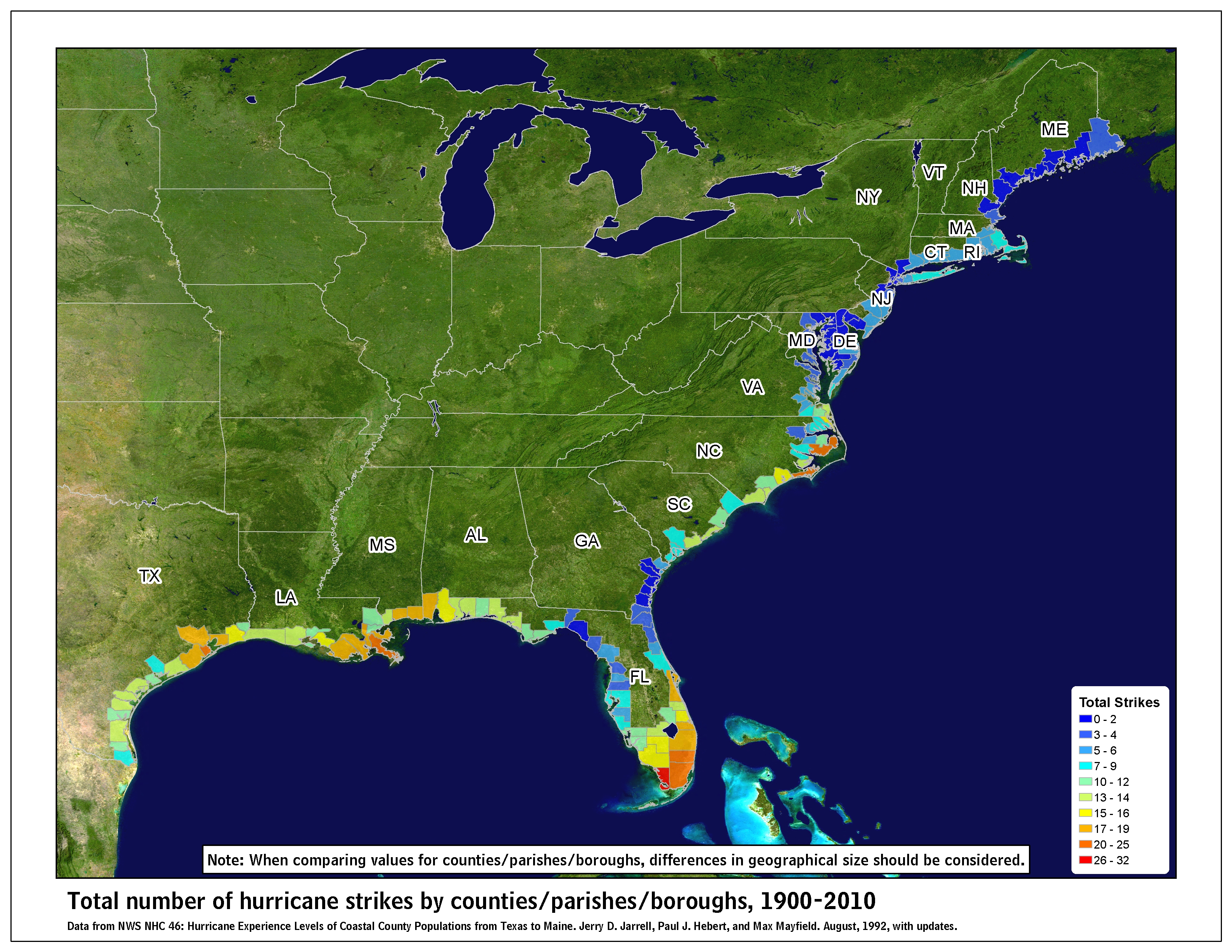
While we've been talking about individual states, it's worth mentioning "Hurricane Alley." This isn't an official designation, but it refers to the region along the Gulf and Atlantic coasts most prone to hurricanes. It encompasses the states we've already discussed, from Florida to North Carolina.
Hurricane Alley is basically where hurricanes go to hang out, cause trouble, and generally wreak havoc. It's not exactly a vacation destination.
:no_upscale()/cdn.vox-cdn.com/uploads/chorus_asset/file/7239341/11hurricanemap.png)
This entire region is subject to the risks associated with these storms. Residents must take precautions and be prepared for the potential impacts.
What Can We Learn From All This?
So, what's the takeaway from our whirlwind tour of hurricane hotspots? Well, for one thing, hurricanes are a serious threat to many parts of the United States, especially along the Gulf and Atlantic coasts.
It's important to remember that while some states get hit more frequently than others, no coastal area is completely immune. Everyone needs to be aware and prepared.
Stay informed about hurricane forecasts and warnings, heed evacuation orders, and take steps to protect your property and yourself. Don't be a sitting duck!
Prepare and Protect: Your Hurricane Survival Guide
Living in or visiting a hurricane-prone area doesn't have to be a constant source of anxiety. With proper planning and preparation, you can significantly reduce your risk.
Create a hurricane preparedness kit with essential supplies like food, water, medicine, and a first-aid kit. It's like building your own little fortress of survival.
Develop a family evacuation plan and know your local evacuation routes. When the time comes, don't hesitate to leave. Your life is worth more than your belongings.
The Future of Hurricanes: A Stormy Forecast
Climate change is likely to affect hurricanes in the future. Many scientists believe that warmer ocean temperatures could lead to more intense hurricanes with higher wind speeds and heavier rainfall.
Sea level rise is also a major concern, as it could exacerbate storm surge, making coastal areas even more vulnerable to flooding. The future looks a bit wetter and windier.
It's more important than ever to take hurricane preparedness seriously and to support efforts to mitigate climate change. Let's try to keep these storms from becoming even more powerful and destructive.
Final Thoughts: Stay Safe, Stay Informed
Hurricanes are a powerful and unpredictable force of nature. While they can be awe-inspiring, they are also incredibly dangerous.
By understanding where hurricanes occur most frequently and by taking steps to prepare, you can significantly increase your chances of staying safe during a storm. Knowledge is power!
So, stay informed, stay vigilant, and stay safe! And maybe invest in a good raincoat. You never know when Mother Nature might decide to throw a surprise storm party.