
Where Did The Water Come From In The Texas Flood
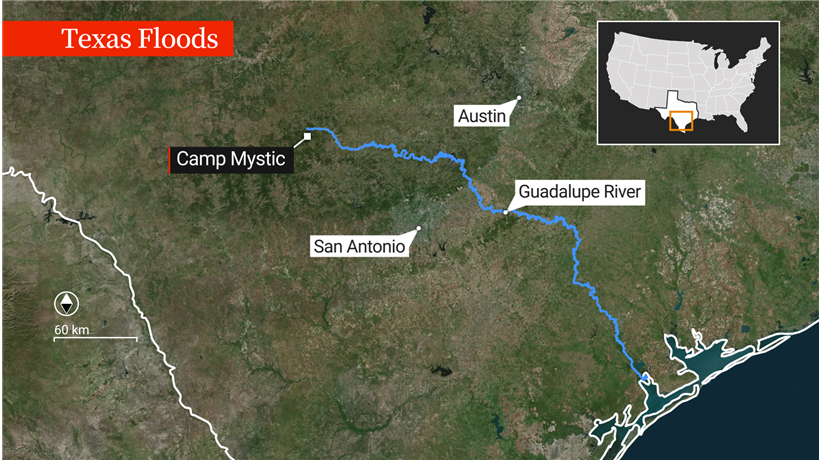
Ever wonder where all that water comes from during a massive flood? Like, really wonder? Texas has certainly seen its share of whoppers. The sheer volume of water is mind-boggling! It’s like the sky opened up and decided to empty its entire contents all at once. But, of course, it's a bit more complex than that.
The Sky's the Limit (Literally!)
The first clue, and the most obvious, is the good ol' atmosphere. Think of the air above us as a giant sponge. It can soak up a lot of water, especially in warmer climates. Warm air holds more moisture than cold air. That moisture eventually needs to go somewhere, and that somewhere is often...down. It falls as rain, sometimes gentle, sometimes not so gentle. When the atmosphere is super-saturated, you know you're in for some serious precipitation. The water cycle never fails to amaze.
But it's not just about the amount of moisture in the air. It’s also about what happens when that moisture collides with other weather systems. Think of it like a meteorological mosh pit! Different air masses, with different temperatures and pressures, start bumping into each other. This creates instability and can trigger some truly epic rainfall events. It's kind of like a weather party, but one that's often not very fun for those on the receiving end.
Must Read
The Role of Hurricanes and Tropical Storms
Now, let’s talk about hurricanes and tropical storms. These swirling behemoths are notorious for dumping unbelievable amounts of water. They act like giant water hoses, sucking up moisture from the ocean and then unleashing it on land. It's really is a lot of water!
When a hurricane makes landfall, it doesn't just bring wind and waves. It brings a deluge. A single hurricane can drop several feet of rain in a matter of days. That's enough to fill entire lakes and rivers, and then some. It’s this torrential rainfall that often leads to the most devastating flooding. You can imagine standing outside when the water levels keep rising and rising, you'd probably get a little nervous!
The Lay of the Land: Geography Matters
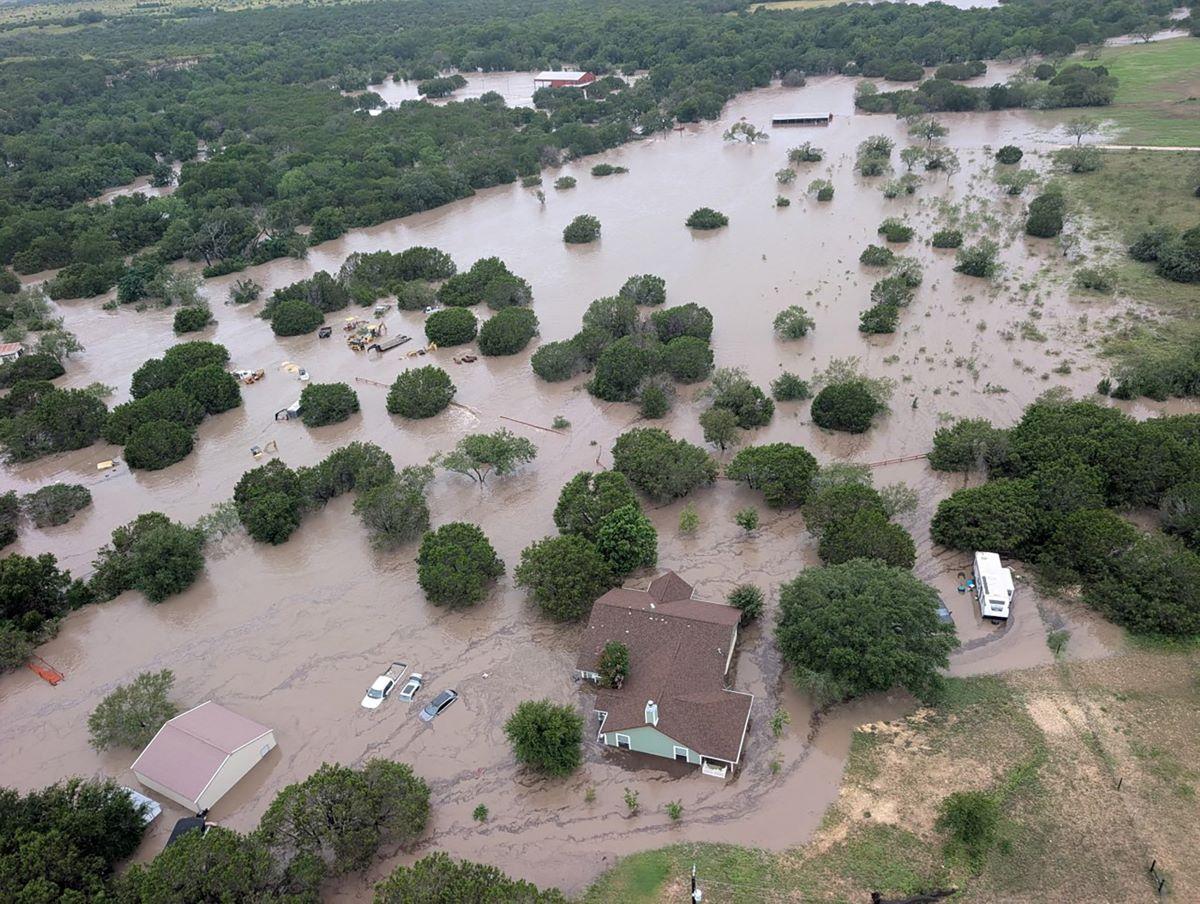
The landscape itself also plays a significant role in how flooding unfolds. Some areas are simply more prone to flooding than others. Low-lying coastal regions, for example, are particularly vulnerable. River valleys and floodplains are designed to hold excess water, but when the amount of water exceeds their capacity, things can get messy.
Urban areas are especially susceptible. All that concrete and asphalt prevent water from soaking into the ground. The water then runs off quickly into streets and storm drains, overwhelming the drainage systems. It's like trying to pour a gallon of water into a teacup. It's gonna overflow! That makes it super important to be aware of your surroundings.
The Aftermath
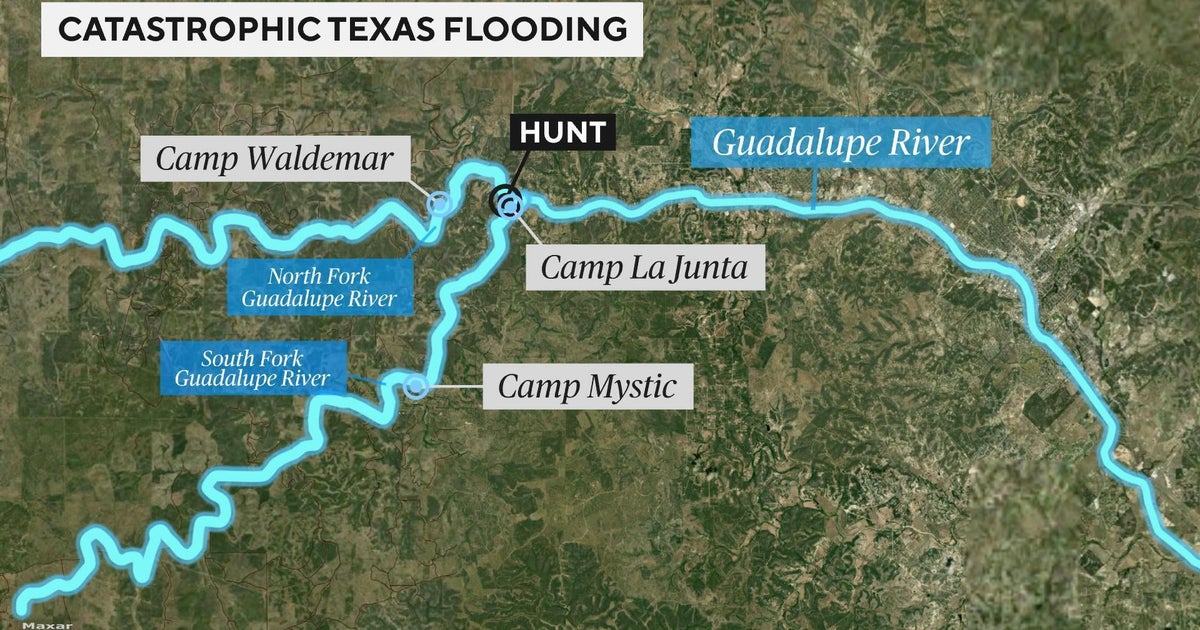
After a major flooding event, the question arises: what is left? Sadly, in most cases, a lot of damage has been done. Some homes or businesses are utterly destroyed, and some people are forced to move.
So, the next time you see news coverage of a major flood in Texas or anywhere else, remember that it's not just about a lot of rain. It's a complex interplay of atmospheric conditions, geographic factors, and human activities. It's a reminder of the raw power of nature and the importance of understanding and preparing for extreme weather events. What is it like to recover from a flood? I can't even begin to imagine.
The amount of water involved in these floods is truly staggering. It's enough to make you stop and think about the forces at play and the impact they have on our world. Stay safe and be prepared!

