Where Did Crude Oil Come From

Ever fueled up your car, fired up your grill, or even just flipped a light switch and thought, "Wow, where did all this amazing energy juice actually come from?" If you're like most of us, probably not! We just expect it to be there, like a loyal, energy-providing puppy. But the story of where Crude Oil comes from is way more epic than you might imagine. Forget aliens or magic spells – it’s a tale of microscopic heroes, immense pressure, and a patience that makes a snail look like a speed demon!
First things first, let's clear up a popular misconception. When we talk about oil, many people immediately picture giant dinosaurs getting squished into black goo. While dinosaurs are super cool, they're actually NOT the main ingredient in our fossil fuel cocktail. Sorry, T-Rex! You were awesome, but you ended up as bones in a museum, not oil in a tank.
The Real Stars of the Show: Tiny, Squishy Superheroes!
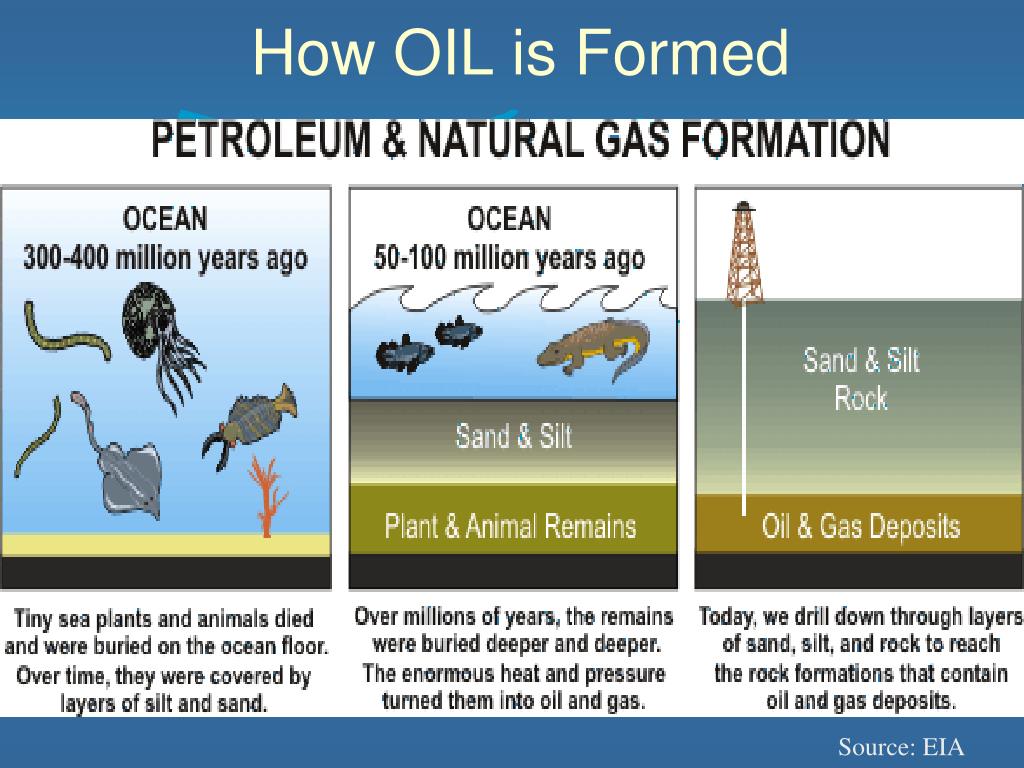
So, if not dinosaurs, then who? Drumroll, please! The true originators of crude oil are… brace yourself… billions and billions of tiny, ancient marine organisms. Think microscopic plants and animals, like Plankton and Algae, that thrived in ancient oceans. Picture oceans teeming with these little guys, living their best, sun-loving lives, zooming around, and generally being the bottom of the food chain in a bustling underwater world. They were like the ultimate confetti – everywhere!
Must Read
For millions of years, these tiny organisms lived, breathed (or photosynthesized), and eventually, well, they died. And when they died, they didn't just float away to heaven; they gently, slowly, drifted down to the ocean floor. Imagine an endless, silent snowfall of microscopic organic matter, piling up layer after layer after layer. Not just for a year, or a hundred years, but for millions upon millions of years. It was like Mother Nature was making a giant, squishy, organic lasagna!
Mother Nature's Ultimate Pressure Cooker
Now, here's where things get really wild. As these layers of dead plankton and algae built up, they got buried deeper and deeper by other sediments – sand, silt, mud, you name it. Each new layer added more weight, creating immense pressure. Think about stacking a thousand mattresses on top of a single pea; that's the kind of pressure we're talking about, but on a geological scale!

This burial wasn't just about pressure; it was about heat. As the organic matter got pushed deeper into the Earth's crust, it got hotter. The Earth's internal heat, combined with that incredible pressure, began to cook these tiny squishy bits. We're not talking about a quick microwave meal here. Oh no, this was a slow-cooker special that took tens of millions of years to perfect!
"It's like Mother Nature decided to bake the slowest, most energy-rich cake in the history of the universe, using only ancient sea creatures and geological time."
Under these extreme conditions – immense heat and pressure, with very little oxygen (which is key!) – the organic matter didn't just rot away. Instead, it underwent a magical transformation. It first turned into a waxy substance called Kerogen, which sounds like something out of a sci-fi movie, but it's just the intermediate step. Then, with even more time, heat, and pressure, that kerogen broke down further, transforming into the liquid gold we know as Crude Oil, and sometimes natural gas.
The Great Migration and the Golden Traps
Once formed, this newly minted oil didn't just stay put. It's actually quite a wanderer! Because it's less dense than the surrounding rock and water, it started to migrate upwards, slowly seeping through porous rocks like sandstone and limestone, almost like water moving through a sponge. This journey could take millions of years, too, as the oil looked for a place to settle down.
Eventually, much of this migrating oil hit a roadblock – a layer of impermeable rock, like shale, that it couldn't pass through. These geological formations acted like giant, natural traps, accumulating the oil in underground reservoirs. Imagine a hidden cave deep beneath the Earth's surface, slowly filling up with this precious black liquid over eons. That's essentially what an oil Reservoir is: a massive, ancient, underground treasure chest!

An Unfathomably Ancient Brew!
So, the next time you use anything powered by petroleum, take a moment to appreciate the truly incredible journey it's been on. From billions of microscopic organisms living and dying in ancient seas, to being buried under mountains of sediment, cooked for millions of years under unimaginable heat and pressure, and then finally migrating into underground traps – it’s a story of epic proportions!
It's a testament to the Earth's astonishing geological processes and the patience of Mother Nature. Crude oil isn't just a fuel; it's a liquid time capsule, holding the energy of ancient life, transformed over an unfathomable span of history. Pretty cool, right?