Where Can Wind Power Be Used

Have you ever stood on a blustery day and felt the sheer, invisible force of the wind? It’s an amazing sensation, a reminder of the planet's constant motion. For centuries, humans have harnessed this natural power, from sailing ships to grinding grain. But in our modern world, the question isn't just if we can use wind, but where can wind power be used to fuel our future? It’s a fascinating journey to explore, full of innovation and a little bit of wonder, especially as we seek cleaner ways to power our lives.
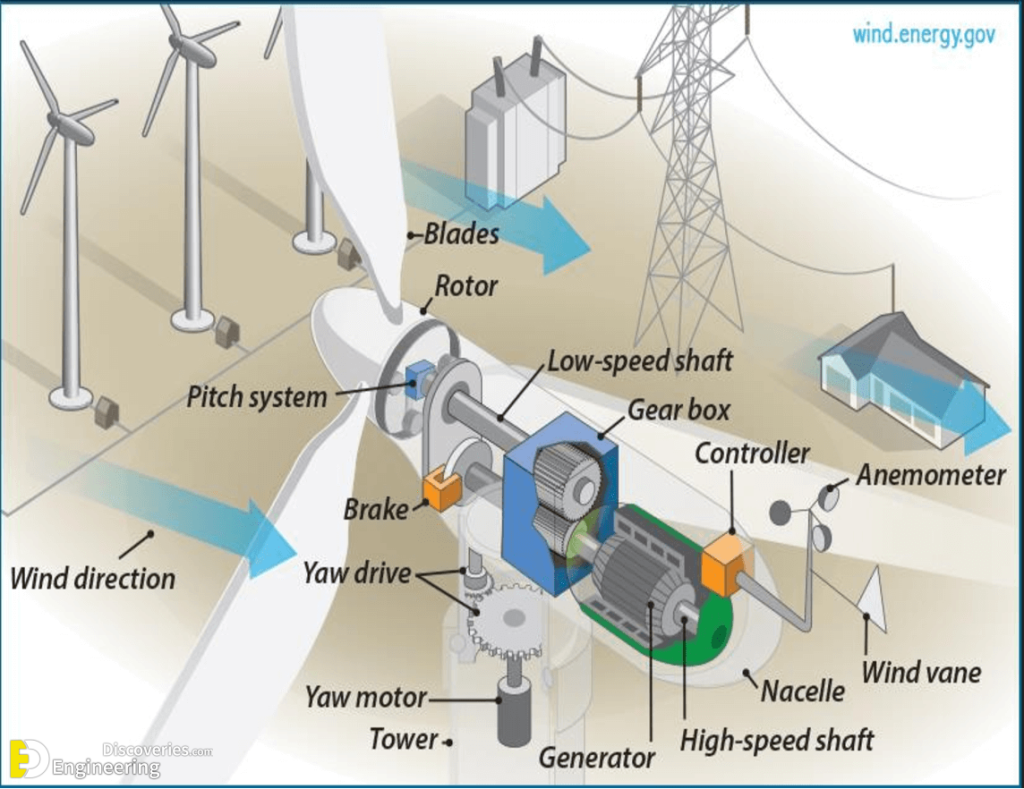
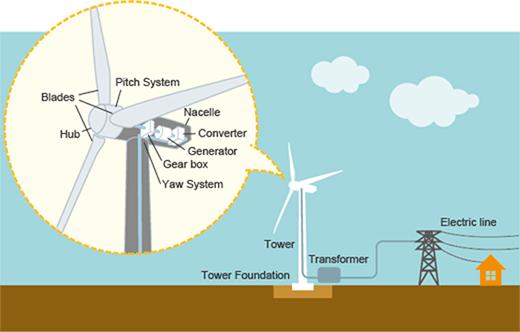
At its heart, the purpose of modern wind power is beautifully simple: to convert the kinetic energy of moving air into clean, usable electricity. Unlike burning fossil fuels, wind power produces virtually no greenhouse gas emissions, making it a crucial player in combating climate change. It’s a renewable resource, meaning as long as the sun shines and the earth rotates, there will be wind. This not only offers energy independence but also creates green jobs and provides a stable, long-term energy source for communities worldwide.
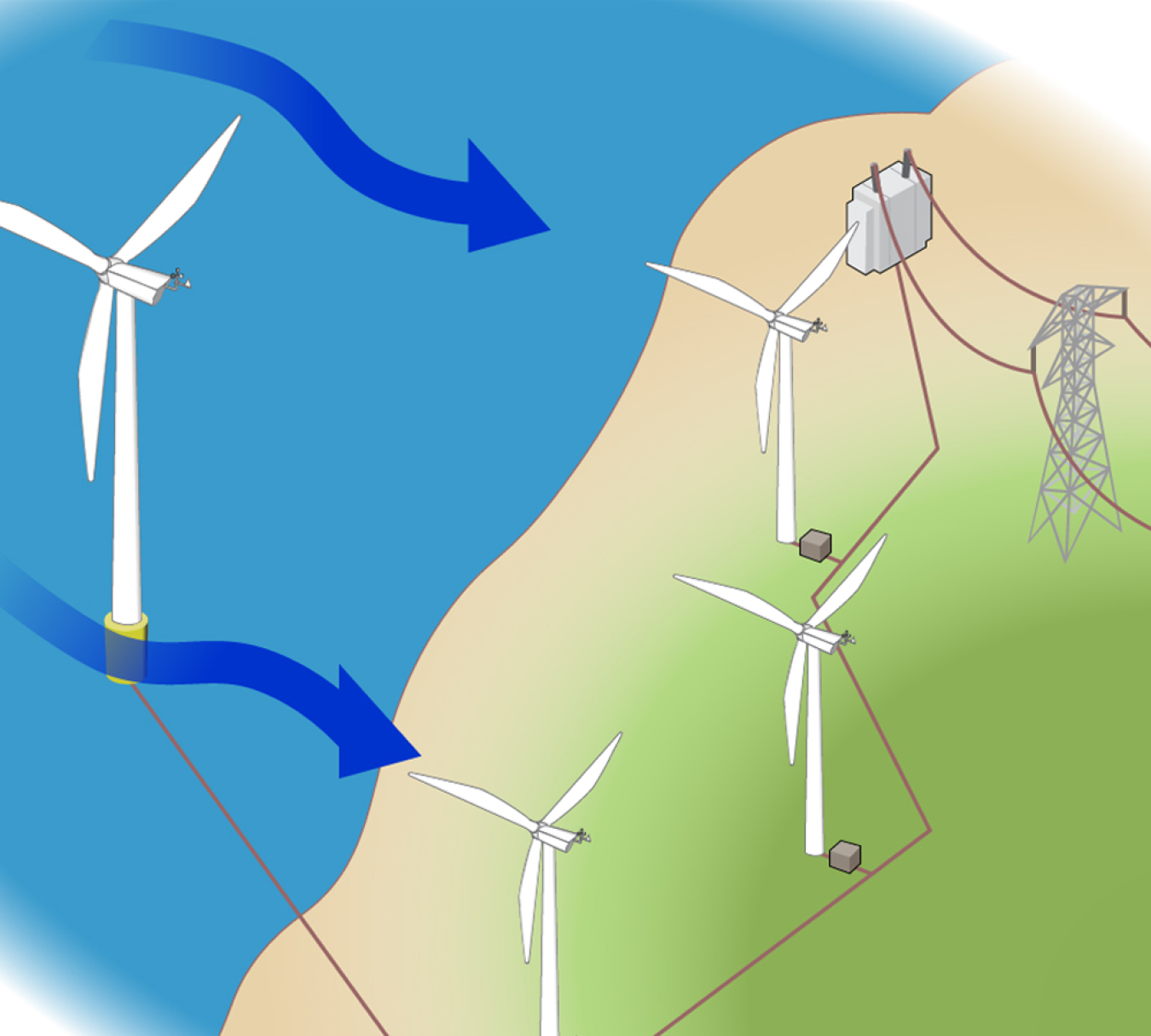
So, where does this incredible technology show up in our world? You might be surprised by its versatility! In daily life, the most visible examples are the towering wind farms you see dotting landscapes, silently spinning to power entire cities and towns. These massive turbines feed into national grids, lighting our homes, charging our phones, and even powering our electric vehicles. But wind power isn't just for large-scale operations. It’s also used in remote locations where connecting to a central grid is impractical – think isolated cabins, agricultural pumps for irrigation, or telecommunications towers. And let’s not forget the incredible innovation of offshore wind farms, where turbines are anchored to the seabed, harnessing powerful and consistent ocean winds far from land.
Must Read
Beyond direct power generation, wind energy plays a vital role in education and awareness. Schools often incorporate small-scale wind turbines into science projects, allowing students to build and test their own mini generators, understanding the principles firsthand. It’s a fantastic way to spark curiosity about physics, engineering, and environmental science. Community centers might host workshops, demonstrating how wind power works, or even showcase local wind energy initiatives, making the concept tangible and relatable for everyone.
Curious to explore wind power further? There are plenty of simple, practical ways to do just that! If you live near a wind farm, consider taking a drive by to see those majestic turbines up close – the scale is truly impressive. Many parks and science museums feature interactive exhibits on renewable energy, offering a hands-on experience. At home, you could try building a simple pinwheel or even a small model wind turbine from a kit to observe how different blade shapes or wind speeds affect power generation. Better yet, simply pay attention to the wind itself – notice its direction, its strength, and imagine the energy it carries. Engaging with wind power isn't just about understanding technology; it’s about reconnecting with the natural world and envisioning a sustainable future powered by the very air we breathe.