
Where Can I Buy Soldering Flux
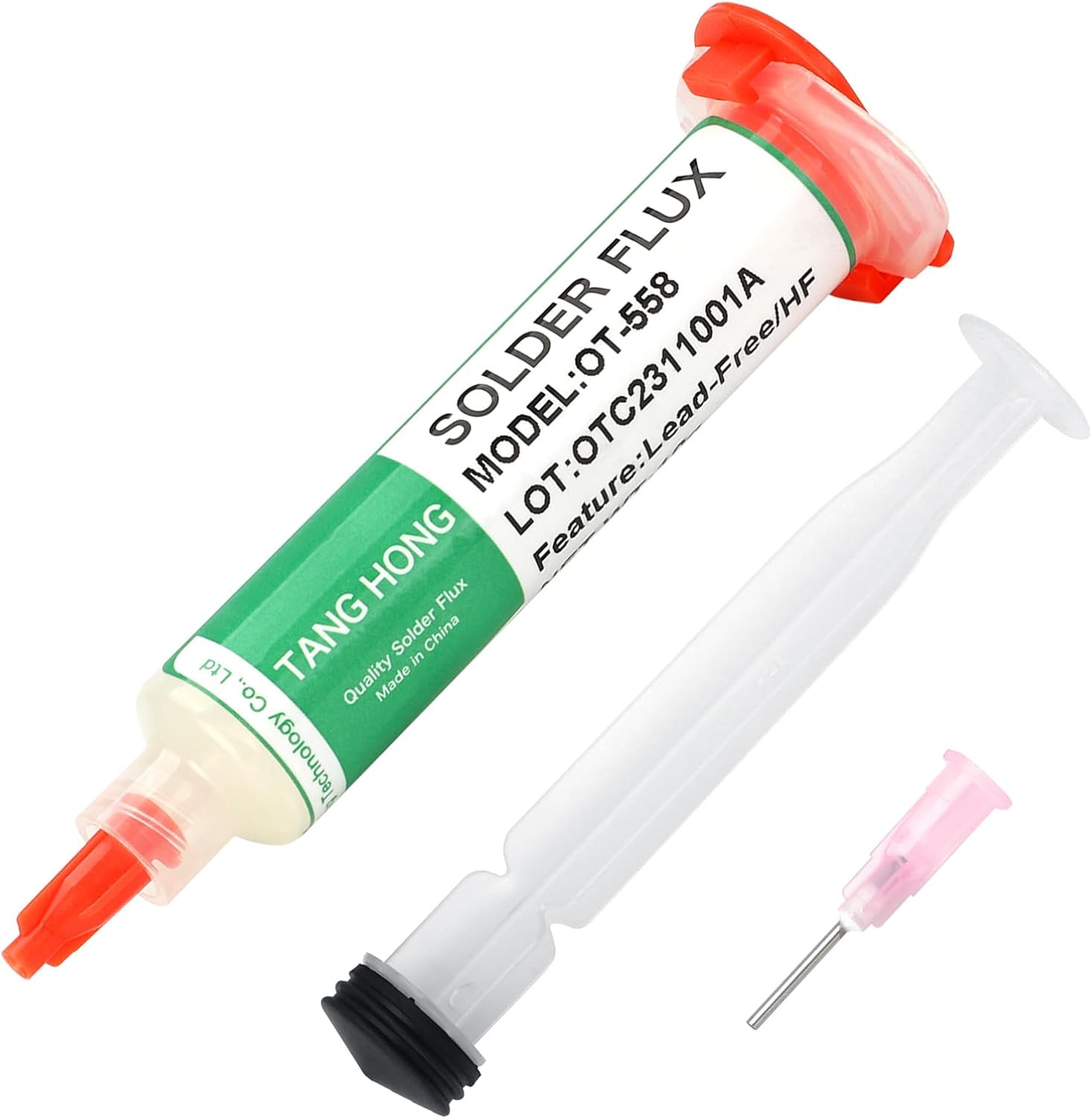
Alright, so you've got your soldering iron, maybe some shiny new solder wire, and you're ready to tackle that project, right? But then it hits you: "Wait, where do I get the magic goo that makes everything stick properly?" Ah, my friend, you're talking about soldering flux – the unsung hero, the secret sauce, the sticky-but-oh-so-important stuff that turns your sad, lumpy joints into beautiful, shiny connections.
Seriously, trying to solder without flux is like trying to bake a cake without flour. You can try, but it's probably going to be a disaster, or at best, very sad and crumbly. Flux cleans the metal, prevents oxidation while heating (science!), and basically helps the solder flow like a dream. It’s a game-changer. A total non-negotiable! So, let's dive into the great flux hunt, shall we?
The Online Flux Frontier: Your Couch is Your Command Center
First up, and probably the most obvious these days, are the big online marketplaces. We're talking Amazon and eBay. These are your go-to for convenience, especially if you're not in a huge rush. You can find pretty much any type of flux here – from little syringes to bigger tubs, liquid, paste, no-clean, rosin... you name it.
Must Read
Pros: Huge selection, often competitive prices, and it ships right to your door. You can read reviews (super helpful!) and compare brands. Cons: You have to wait for shipping, obviously. And sometimes, with so much choice, it can feel a little overwhelming. Just make sure you're buying from a reputable seller, okay? Nobody wants mystery goo arriving in a generic plastic bag.
The Specialist Shops: Where the Pros (and Aspirationals) Go
If you're serious about your electronics, or just want to make sure you're getting the absolute best quality, then you absolutely must check out dedicated electronics suppliers. Think names like SparkFun, Adafruit, Digi-Key, and Mouser Electronics. These guys are the real deal.
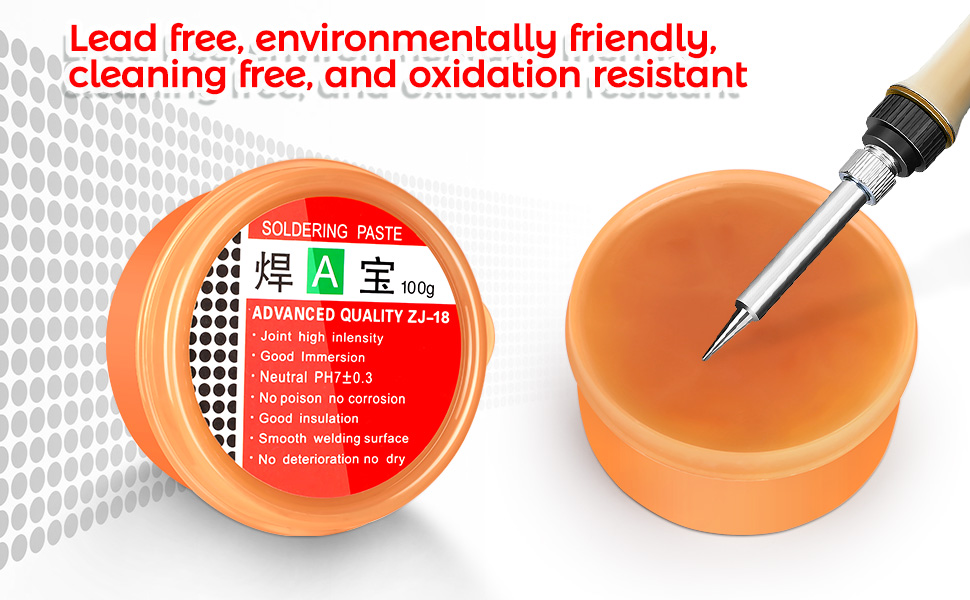
They stock flux specifically designed for electronics work, and often carry trusted brands that engineers and hobbyists swear by. You'll likely find more variety in terms of specific applications (e.g., specific fluxes for SMD rework vs. through-hole components). Plus, browsing their sites is like a candy store for tech enthusiasts – you'll probably end up with a few extra resistors and a new Arduino board in your cart, just saying!
The Local Haunts: A Blast from the Past (and Present!)
Remember those awesome, slightly dusty electronics stores? The ones with rows of components and helpful (sometimes gruff) old-timers behind the counter? Well, if you're lucky enough to still have one in your town, go there! Not only can you get flux immediately, but you might also stumble upon some unexpected treasures or get some genuine, old-school advice. It's a dying breed, so support them if you can!
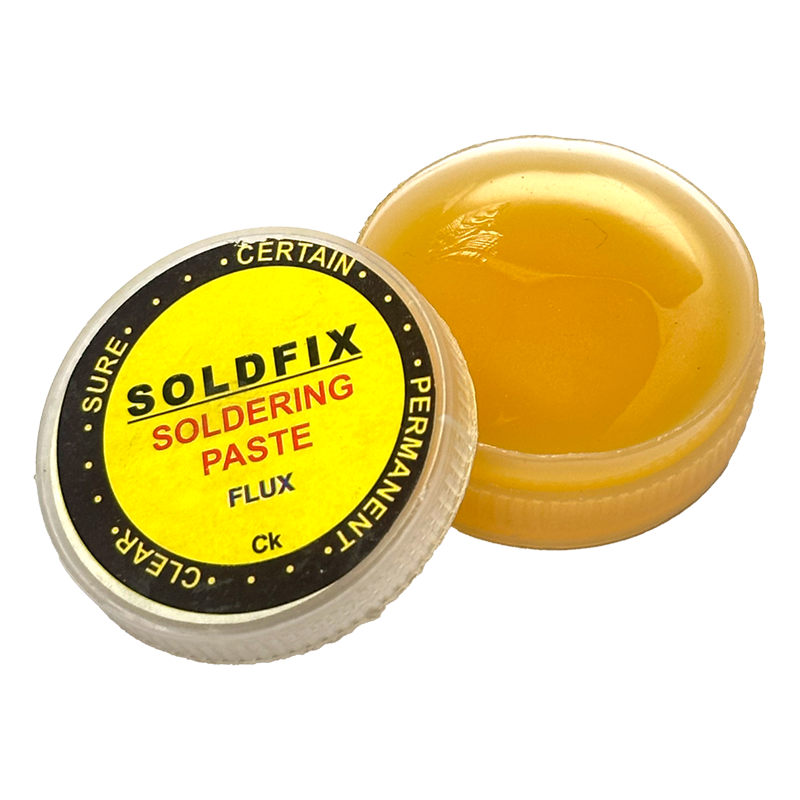
Even if a dedicated electronics shop isn't nearby, check out general hobby shops. Places that cater to RC enthusiasts, model train builders, or even jewelry makers often have soldering supplies, including flux, tucked away in an aisle. They understand the need for good connections!
The Wildcard Locations: Tread Carefully!
Okay, now we're venturing into slightly trickier territory. You might find flux at your local hardware store (think Lowe's, Home Depot) or even an auto parts store. But here's the huge caveat, and it's super important: Plumbing flux is NOT electronics flux!

I repeat: DO NOT use plumbing flux on your delicate electronics! Plumbing flux is often acid-based and designed for very different metals and applications. It will corrode your circuit boards and components faster than you can say "oops!" Seriously, it's a one-way ticket to electronics graveyard. Always, always double-check that it's rosin-based or specifically labeled for electronics.
Auto parts stores sometimes carry flux for electrical repairs (like battery terminals or wiring harnesses), which can be suitable, but again, read those labels like you're studying for a final exam. When in doubt, stick to the electronics specialists!

A Quick Noodle on Flux Types (Just to Sound Smart)
Don't sweat the details too much right now, but it's good to know there are a few main types. Rosin flux is a classic, works great, but often leaves a sticky residue that you might want to clean off. No-clean flux, as the name suggests, leaves a minimal residue that doesn't usually need cleaning – super convenient! Then there's water-soluble flux, which is easy to clean with water but needs to be cleaned thoroughly because it's usually active. For general hobby use, a good no-clean rosin flux pen or paste is often your best bet.
Final Flux Thoughts and Friendly Nudges
No matter where you end up buying your flux, remember these little nuggets:
- Read the label! Seriously, if it doesn't say "for electronics" or "rosin-based," put it down.
- A little goes a long way. You don't need to douse your board in the stuff.
- Consider a flux pen for easy application, especially for smaller jobs. They're super handy!
- And most importantly: Ventilation! Soldering fumes (even from flux) aren't great for your lungs. Work in a well-ventilated area, or grab a fume extractor. Your future self will thank you.
So, there you have it! The grand tour of flux acquisition. Now you're armed with the knowledge to go forth and make beautiful, shiny, electrically sound solder joints. Go on, get out there (or stay on your couch) and grab that flux! Your projects are waiting!