
Where Are Alkali Metals Found On The Periodic Table
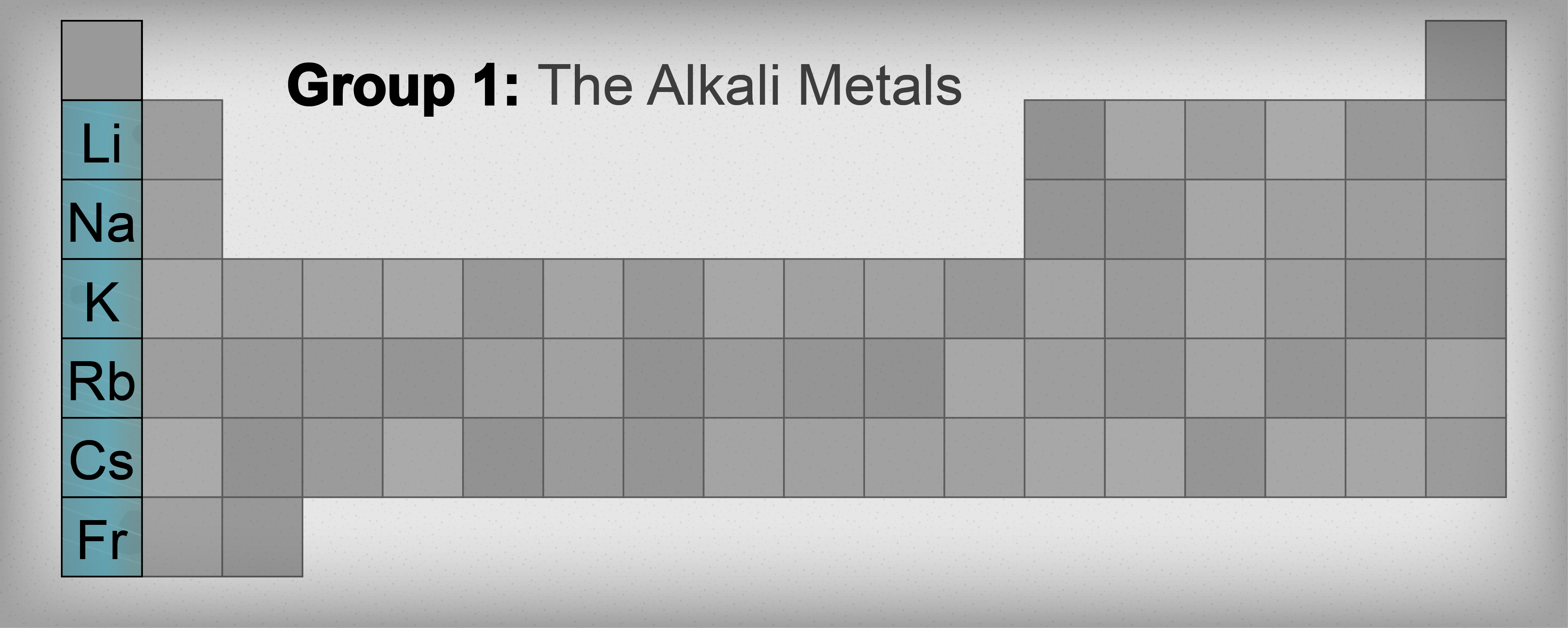
Hey there, science curious minds! Ever glance at the periodic table and feel a little…lost? Don't sweat it! Today, we're going on a chill little expedition to find the alkali metals. Think of it as a treasure hunt, but instead of gold doubloons, we're after elements with some seriously cool properties.
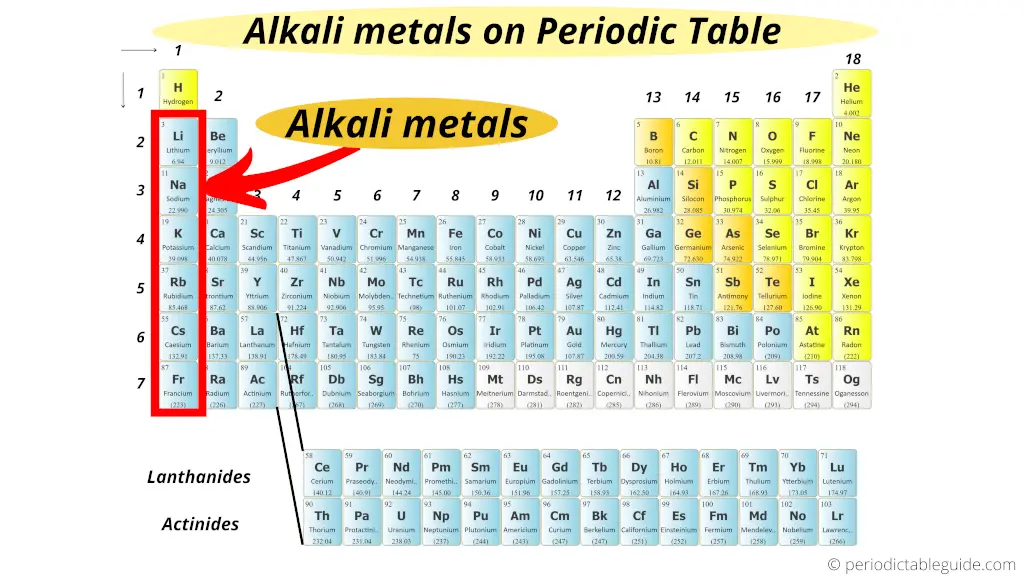
So, where do we start our search? Well, grab your imaginary map (aka, the periodic table) and look all the way to the left-hand side. You’ll see a column, a vertical family of elements. That, my friends, is where our alkali metals hang out. Easy peasy, right?
But wait, what even are alkali metals? Why are they so special? Good questions! Let's dig in.
Must Read
The Alkali Metal Crew: A Lively Bunch
Think of the alkali metals as the most outgoing members of the element family. They're super reactive, meaning they love to combine with other elements. Imagine them as the life of the party, always striking up conversations and forming new friendships (or, in chemistry terms, bonds!).
This reactivity is all down to their atomic structure. Each alkali metal has only one electron in its outermost shell. It's like having only one sock – they're desperate to get rid of it to feel complete and stable. This eagerness to ditch that lone electron is what makes them so reactive.
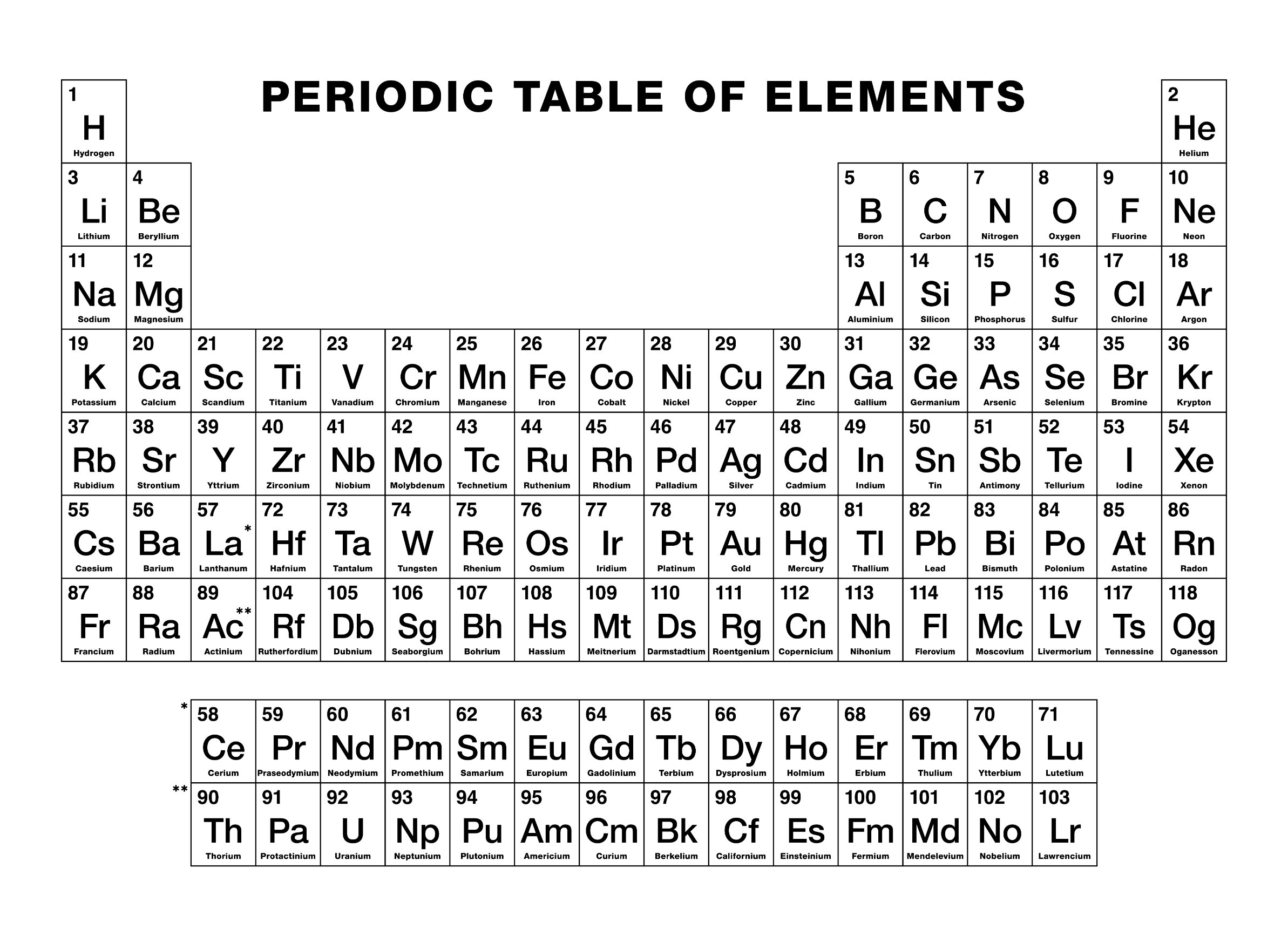
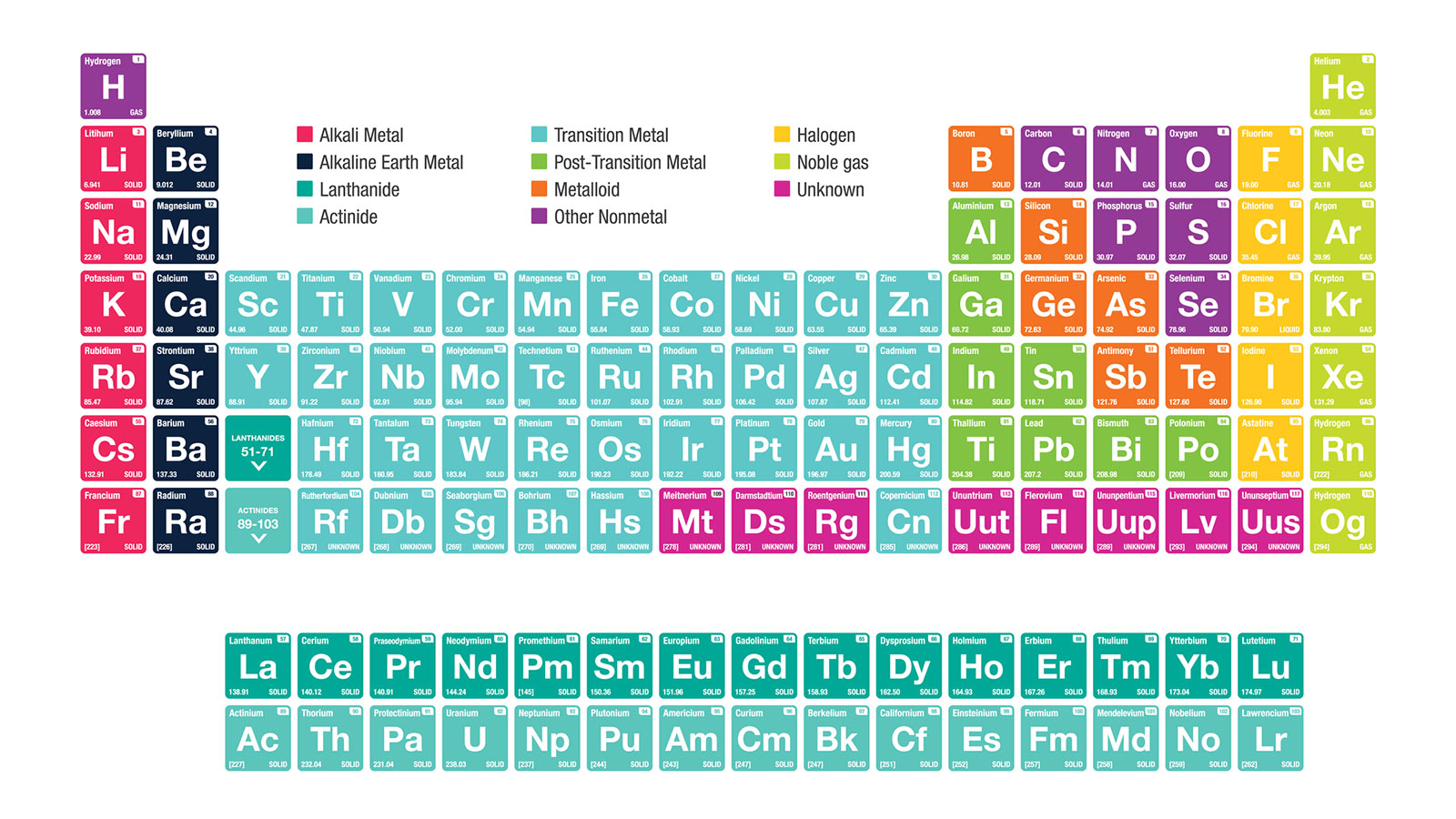
The key players in this group are: Lithium (Li), Sodium (Na), Potassium (K), Rubidium (Rb), Cesium (Cs), and Francium (Fr). Each one has its own quirks, but they all share that "eager to react" personality trait.
Why Should You Care? (Because They're Awesome!)
Okay, so they're reactive. Big deal, right? Wrong! Their reactivity is precisely what makes them so incredibly useful in our everyday lives.
Consider sodium. Ever used table salt? That's sodium chloride (NaCl), a compound of sodium and chlorine. Sodium is essential for maintaining fluid balance in our bodies. Without it, well, things wouldn't be so good.
And how about lithium? It's a key component in the batteries that power our laptops, smartphones, and even electric cars! It’s also used in medications to help manage certain mental health conditions. Pretty amazing, huh?
Potassium is another vital player. It's crucial for nerve function and muscle contraction. Ever heard that bananas are a good source of potassium? Now you know why athletes love 'em!
You see, these seemingly simple elements play a massive role in everything from our health to our technology. They’re like the unsung heroes of the periodic table.
Alkali Metals: The Underdogs With a Punch
Here's another cool fact: as you move down the alkali metal column, they become even more reactive. Francium, way down at the bottom, is the most reactive of them all. But it’s also extremely rare and radioactive, so we don’t encounter it much in our daily lives.
Think of it like this: lithium is the shy but friendly classmate, while francium is the daredevil who's always up for a wild adventure. Both have their own charm, but one is definitely more likely to cause a bigger splash (literally, in some cases!).
It's important to note: Alkali metals react violently with water. Seriously, don't try this at home! The reaction releases a lot of heat and can even cause explosions. That's why they're usually stored under oil to prevent them from coming into contact with moisture in the air.

So, What's the Takeaway?
Finding the alkali metals on the periodic table is like discovering a hidden gem. They're located on the far left, they're incredibly reactive, and they're essential for a whole range of things that we use every day.
Next time you're browsing the periodic table, take a moment to appreciate these fascinating elements. They might be small, but they definitely pack a powerful punch!
Who knew chemistry could be so…fun? Keep exploring, keep asking questions, and keep that curiosity burning! You never know what amazing discoveries you might stumble upon.