When Will The World Run Out Of Fossil Fuels
Okay, let's talk about something we all use every single day, but might not think about too much: fossil fuels. We're talking about the stuff that powers our cars, heats our homes, and keeps the lights on. But here's the big question looming: When will it all run out?
Think of it like this: imagine your favorite chocolate chip cookies. You have a whole jar full! You munch on them happily every day. But eventually, that jar is going to be empty, right? The same basic principle applies to fossil fuels. They're finite resources, meaning there's only a certain amount of them buried beneath the Earth.
So, What Are Fossil Fuels Anyway?
Fossil fuels are basically the remains of ancient plants and animals that have been cooked and squeezed under immense pressure for millions of years. We're talking dinosaurs! Okay, maybe not just dinosaurs, but still, pretty cool stuff! This process turned them into things like coal, oil, and natural gas.
Must Read
We burn these fuels to create energy, and that energy powers pretty much everything in our modern lives. From charging your phone (you're probably using it to read this!), to flying across the country, fossil fuels are deeply embedded in our everyday experiences.
The Big Question: How Long Do We Have?
Estimating exactly when we’ll run out of fossil fuels is tricky. It's not like there's a giant meter counting down the seconds. A lot depends on factors like:

- How much we use: The more energy we consume, the faster we deplete our reserves.
- New discoveries: Sometimes, we find new deposits of fossil fuels, which can extend the timeline.
- Technological advancements: New technologies for extracting fossil fuels or finding alternatives can also impact the situation.
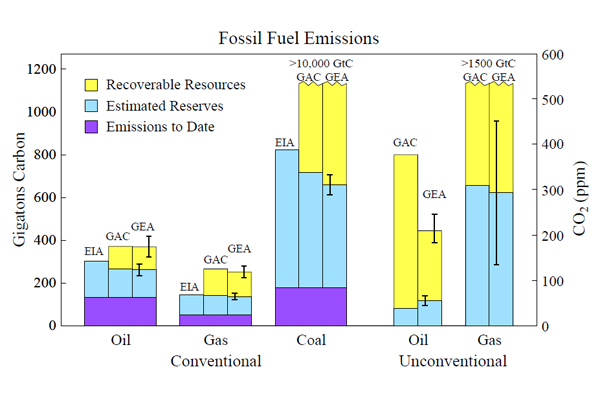
However, most experts agree we're not going to wake up tomorrow with empty tanks. Estimates vary, but a commonly cited figure suggests we have enough coal for around 100-200 years, oil for about 50 years, and natural gas for roughly 50 years at current consumption rates. But remember, these are just estimates!
Think of it like planning a road trip. You know you have a certain amount of gas in your car. You can estimate how far you can go based on your gas mileage. But if you drive faster, hit traffic, or take detours, your gas might run out sooner than expected.

Why Should We Care? (Besides Running Out!)
Okay, so maybe running out of gas isn't an immediate crisis. But here's why it's important to pay attention:
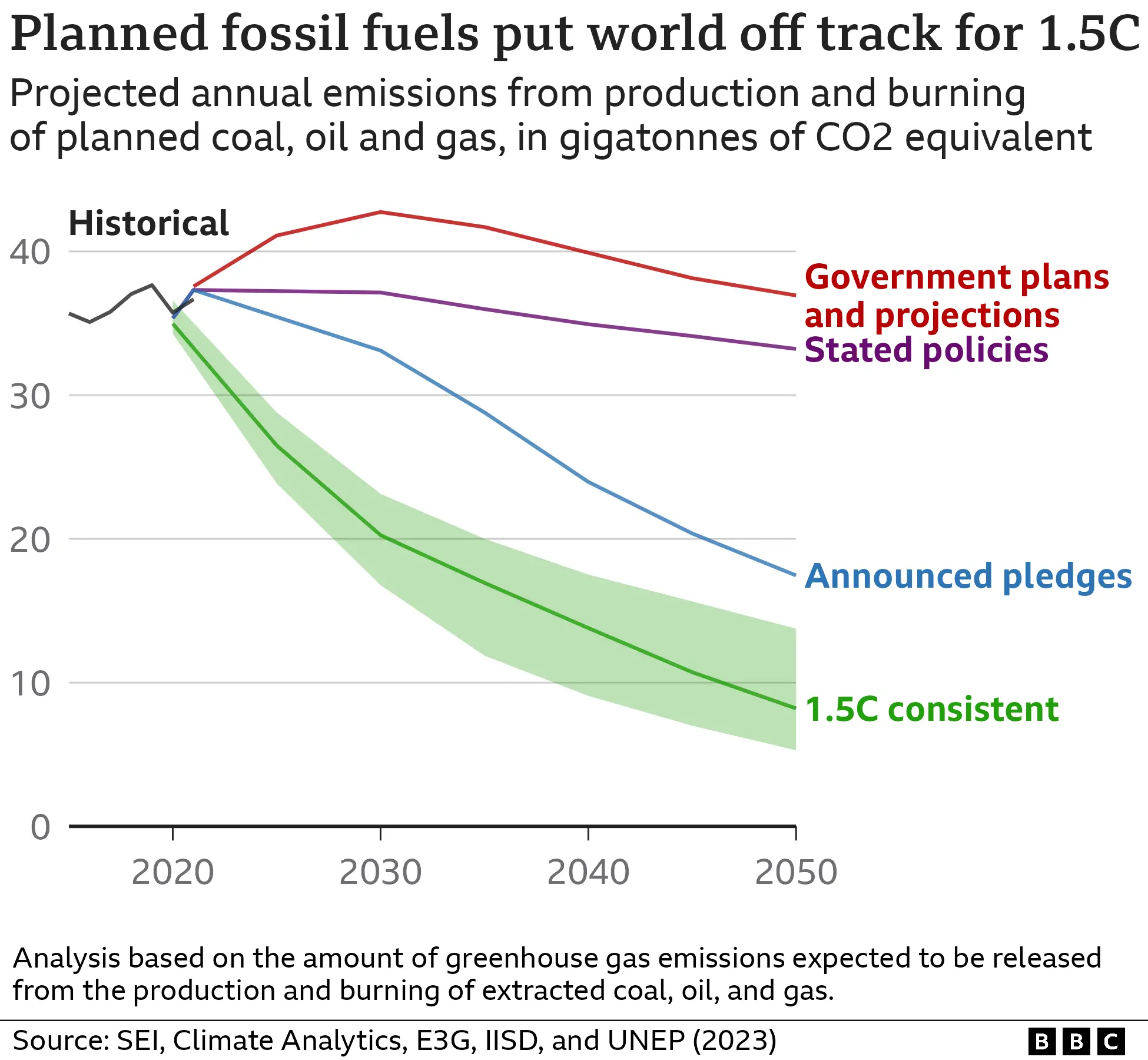
- Climate Change: Burning fossil fuels releases greenhouse gases into the atmosphere, which trap heat and contribute to global warming. This can lead to all sorts of problems, like rising sea levels, extreme weather events, and disruptions to ecosystems. Imagine a world with even more intense hurricanes and wildfires – not fun!
- Air Pollution: Fossil fuel combustion also releases pollutants that can harm our health, causing respiratory problems and other illnesses. Think about the air quality alerts we sometimes get in cities – fossil fuel use is a major contributor.
- Geopolitical Issues: Control over fossil fuel resources has historically been a source of conflict and tension between nations. Reducing our dependence on these fuels can promote greater stability and security.
Basically, it's not just about running out of fuel, but about the impact fossil fuels have on our planet and our health.

The Good News: There's Hope!
The silver lining is that we're not helpless! There are plenty of things we can do to reduce our reliance on fossil fuels and build a more sustainable future.
- Renewable Energy: Solar, wind, hydro, and geothermal power are all clean, renewable sources of energy that can replace fossil fuels. Imagine powering your home with sunshine – pretty cool, right?
- Energy Efficiency: Using less energy in the first place is a great way to reduce our dependence on fossil fuels. Simple things like switching to LED light bulbs, insulating your home, and driving more efficiently can make a big difference.
- Electric Vehicles: Electric cars are becoming more affordable and practical, offering a cleaner alternative to gasoline-powered vehicles. Imagine driving a car that doesn't produce any tailpipe emissions – good for you, and good for the planet!
It's like planting a garden. You start with a small seed, but over time, it can grow into something beautiful and bountiful. Even small changes in our behavior can contribute to a larger, more sustainable future.
The bottom line? We will eventually run out of fossil fuels. But by embracing innovation, adopting cleaner energy sources, and making conscious choices in our daily lives, we can create a brighter, healthier future for ourselves and generations to come. So, let's keep the cookies tasty, and the planet thriving!