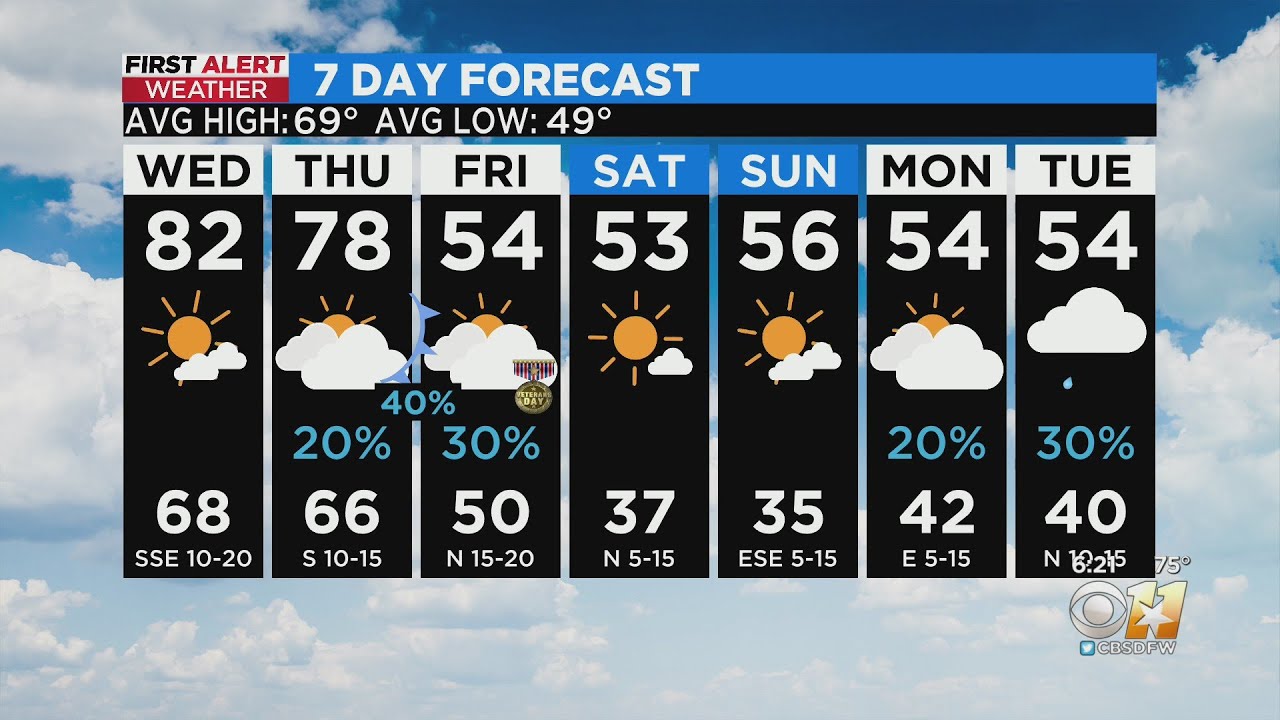
When Will Temps Start To Drop

Ah, the eternal question that dances in the minds of many as summer's grip lingers or winter's chill holds on just a little too long: "When will the temperatures finally start to drop?" It’s a thought that crosses almost everyone's mind, whether you're yearning for a break from sweltering humidity, dreaming of crisp autumn air, or simply hoping for a milder transition after a harsh season. This topic is more than just idle curiosity; it’s a universal longing for change, a signpost for the rhythm of life, and frankly, a delightful subject to ponder!
The purpose of understanding when temperatures are likely to shift isn't just about complaining less about the weather (though that's a definite benefit!). It’s incredibly useful for planning ahead. Imagine being able to confidently decide when to pack away those heavy winter coats, or when it's safe to plant delicate spring flowers without fear of a late frost. Knowing the general patterns of temperature decline allows us to anticipate everything from our wardrobe choices and outdoor activities to energy consumption and even our mood! There's a certain joy and comfort in knowing that relief, in the form of cooler air, is on its way.
So, what exactly triggers these much-anticipated temperature drops? While weather can be notoriously fickle, there are a few major players that dictate the grand performance of cooling down. The primary driver for seasonal shifts is the Earth's tilt and its orbit around the sun. As we move further from the summer solstice (around June 21st in the Northern Hemisphere) or closer to the autumnal equinox (around September 22nd), the sun's angle becomes lower in the sky, leading to shorter days and less direct sunlight. This gradual reduction in solar radiation is the fundamental reason why our planet starts to cool down.
Must Read
Beyond this big astronomical picture, more immediate factors come into play. Cold fronts are nature's fast-forward button for temperature drops. These are boundaries between warmer and colder air masses, and when a cold front passes through your area, you can often feel a noticeable dip in temperatures, sometimes accompanied by rain or storms, followed by clearer, cooler air. Geographic location also plays a significant role; those closer to the poles will experience earlier and more dramatic temperature shifts than those nearer the equator. Even large-scale climate phenomena like El Niño or La Niña can influence regional temperature trends, leading to warmer or cooler than average seasons.
How can you anticipate these drops? First, keep an eye on the calendar and the progression of the seasons – the equinoxes are key indicators. Second, become friends with your local weather forecast, especially the extended outlooks. Meteorologists track air masses and fronts, giving us clues about upcoming changes. Finally, observe nature around you: the changing color of leaves, migratory birds, and even the quality of light can subtly hint at the approach of cooler days. While we can't control the weather, understanding its rhythms allows us to embrace the shift and fully enjoy the delights that cooler temperatures bring!