When Will Summer End In Texas
Ah, Texas summer. It's a phrase that conjures images of shimmering heat, long days by the pool, and perhaps a recurring question whispered across scorching patios: When will it finally end? For those of us living in the Lone Star State, predicting the demise of summer isn't just about meteorology; it's practically a cultural pastime. There’s a certain shared camaraderie in wondering when that first truly cool front will sweep through, bringing with it the promise of pumpkin spice and outdoor activities that don’t involve immediate perspiration. It's a fun, almost playful curiosity that connects us to the rhythm of our unique climate, and understanding it offers more than just bragging rights about the cooler weather.
So, what’s the big deal about knowing when summer truly bows out in Texas? The purpose goes beyond mere anticipation. It offers tangible benefits for planning and well-being. Knowing the typical patterns helps us plan everything from our wardrobe changes (those light sweaters might actually get used!) to scheduling outdoor events, travel, and even home maintenance. For gardeners, it’s crucial for knowing when to plant those fall veggies or transition flowers. Psychologically, having an idea of when to expect relief can be a significant morale booster after months of intense heat. It fosters an appreciation for the natural world and how deeply weather influences our daily lives, giving us a deeper understanding of our local ecosystem and climate patterns.
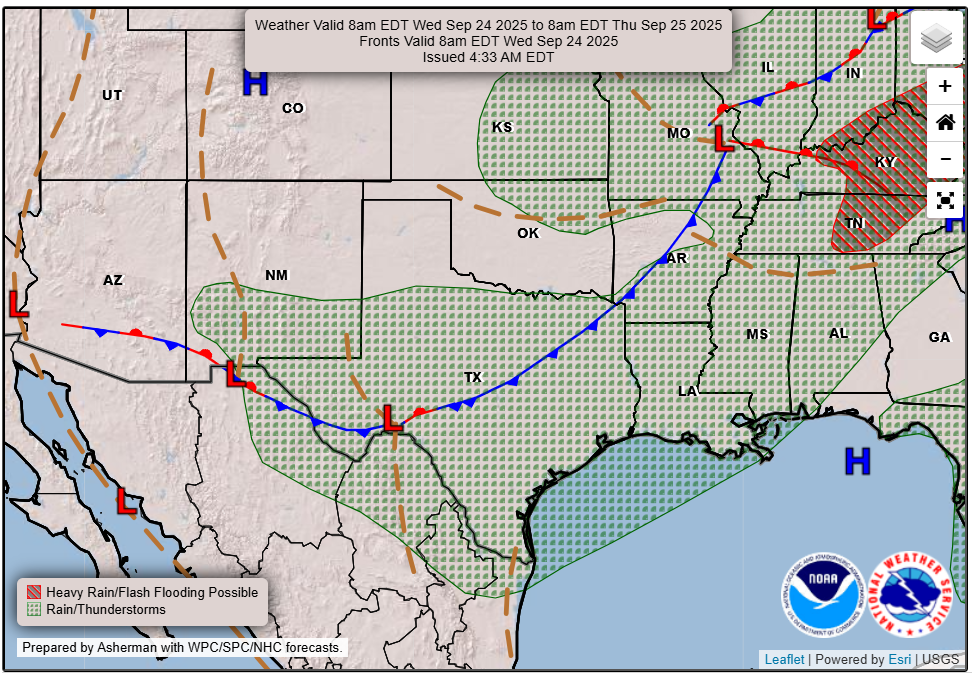
The applications for this knowledge are surprisingly widespread, touching both education and daily life. In our everyday routines, it's about practical decisions: When do we pack away the swimsuits and pull out the jeans? When is it truly comfortable to enjoy an evening stroll or a patio dinner without battling the heat and humidity? Families might plan weekend trips to state parks knowing the cooler weather makes hiking enjoyable. Schools often factor in the late-summer heat for outdoor sports schedules. Educationally, understanding Texas's extended summer provides fantastic real-world examples for studying meteorology and climatology. Students can learn about cold fronts, high-pressure systems, and how geographic factors like the Gulf of Mexico influence our seasons. It can also tie into lessons on agriculture, ecology, and even local history, showing how climate has shaped development and lifestyle in Texas.
Must Read
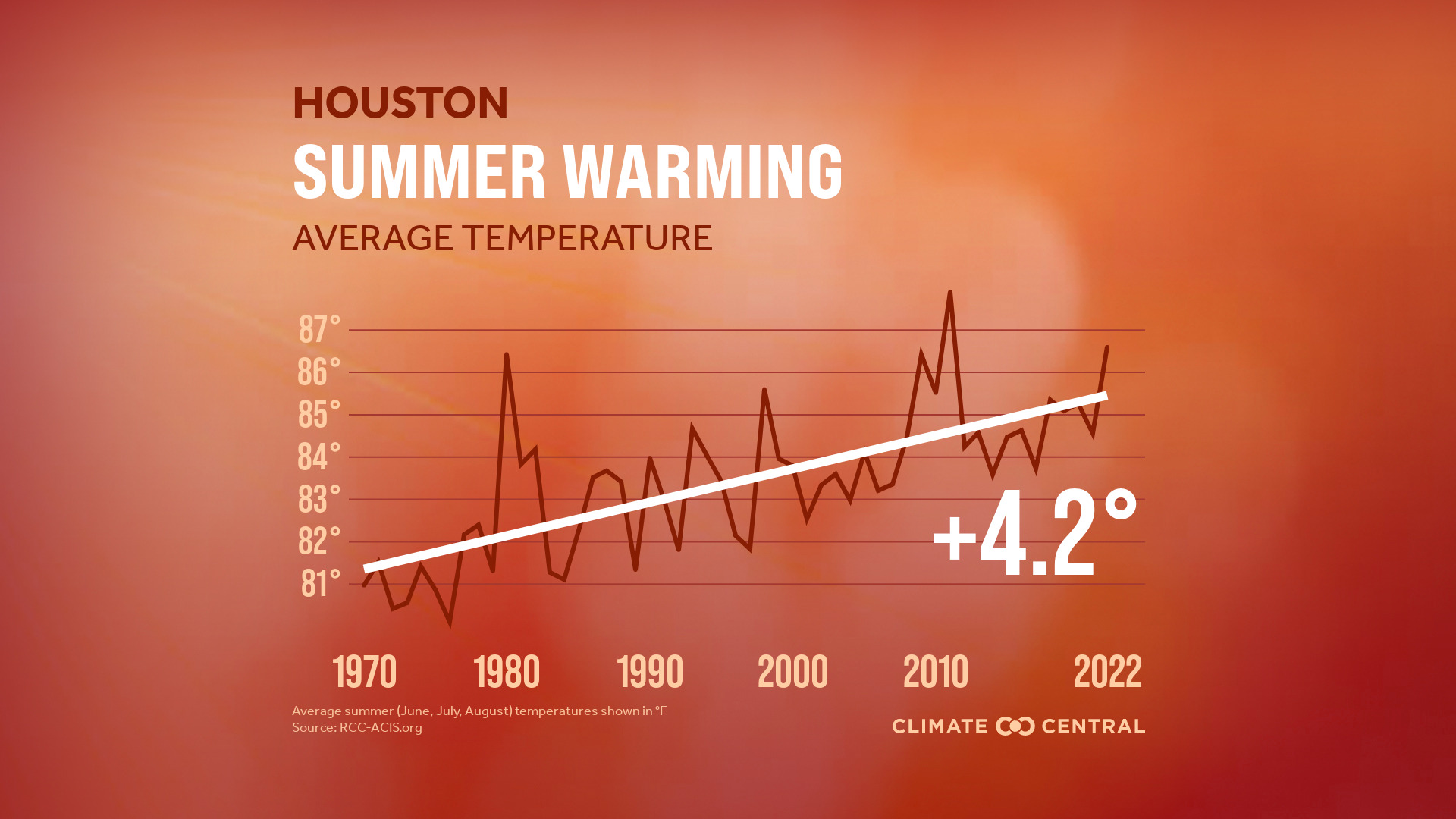
Eager to become your own local weather sage? Exploring when summer might finally yield to fall is simpler than you think. One practical tip is to simply observe nature around you. Are the leaves on certain trees subtly shifting color, even if it’s just a muted bronze? Are the birds behaving differently? Another easy way is to track daily temperatures yourself, perhaps with a simple thermometer or by noting your favorite weather app’s predictions for a few weeks. You'll start to notice patterns. Don't forget to consult historical weather data online; many local weather stations and almanacs offer fascinating insights into past averages. Engaging with local meteorologists through news reports or social media can also provide expert perspectives. Finally, simply talk to long-time Texans! They often have a wealth of anecdotal wisdom and can tell you about "Indian Summer" or the famed "first good cold front." Embrace the subtle shifts, and you’ll soon find yourself appreciating the unique transition from the endless summer to our often-delightful Texas fall.