When Was The 3d Printer Created
Ever held a cool, custom-made gadget or a uniquely shaped toy and wondered, "How on earth was this made?" That feeling of marvel often strikes when we encounter objects created by a 3D printer. It's like something straight out of a sci-fi movie, watching a machine magically build a physical object layer by tiny layer from nothing but a digital design. It’s incredibly fun, surprisingly useful, and becoming more popular by the day as these machines become more accessible. But here's a fun question that often stumps people: when exactly was this futuristic tech invented?
Before we answer that, let's chat about why this technology is such a big deal for everyday folks. For beginners, it's an exciting entry point into creation. Imagine being able to print a replacement part for a broken appliance or a custom hook for your kitchen. For families, 3D printing opens up a world of possibilities: designing and printing custom toys with your kids, creating personalized gifts for friends and relatives, or even educational models for school projects. And for hobbyists, it’s a game-changer. Whether you're into miniature wargaming, remote-control cars, cosplay, or just love tinkering, a 3D printer lets you prototype parts, create custom accessories, or even fabricate entire models with incredible detail and precision. It’s about turning ideas into tangible reality right in your own home.
Now, for the big reveal: the 3D printer isn't as new as you might think! While it feels like a modern invention, the core concept and the first true 3D printing technology emerged quite a while ago. The man credited with inventing the first 3D printer, and the process known as stereolithography (SLA), is Chuck Hull. He filed a patent for his "apparatus for production of three-dimensional objects by stereolithography" in 1984, receiving the patent in 1986. Yes, you read that right – 1984! That's decades before most of us had even heard the term "3D printer." Hull's original method involved using UV light to harden layers of liquid photopolymer resin, gradually building up an object. This means the technology that feels so cutting-edge today has roots stretching back to the era of big hair and shoulder pads!
Must Read
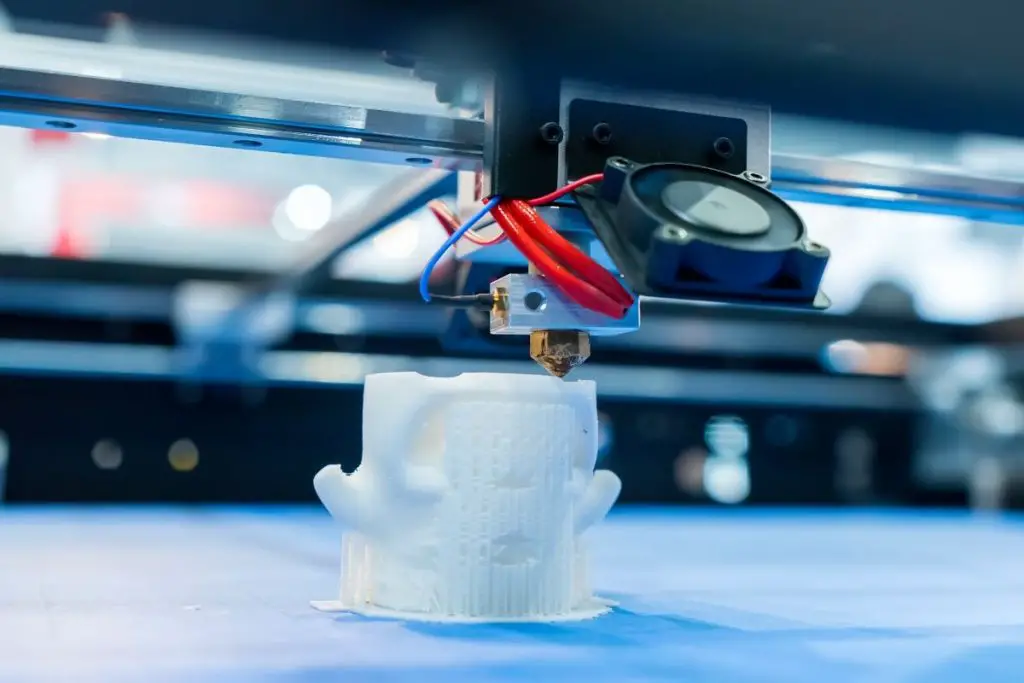
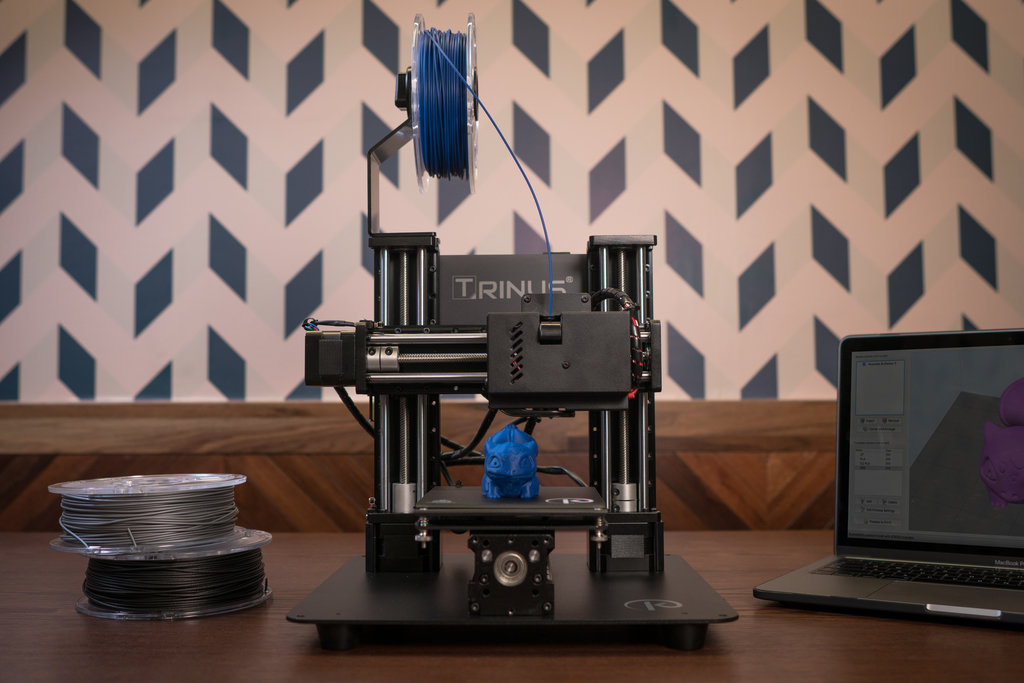
While SLA was the pioneering method, other variations quickly followed. The FDM (Fused Deposition Modeling) technology, which melts and extrudes plastic filament layer by layer and is common in most home printers today, was developed by Scott Crump in the late 1980s. These different methods allow for a wide range of materials and applications, from printing intricate resin miniatures to sturdy plastic prototypes or even edible items!
Thinking about getting started yourself? It’s easier than ever! Here are some simple, practical tips: Firstly, don't be intimidated. Many affordable FDM printers are fantastic for beginners. Secondly, you don't need to be a design wizard. Websites like Thingiverse or Printables offer millions of free, pre-designed models you can download and print immediately. Third, get familiar with "slicer" software (like Cura or PrusaSlicer), which turns your 3D model into instructions for the printer. There are tons of beginner-friendly tutorials on YouTube to guide you. Start with small, simple prints to get the hang of it, and don't be afraid to experiment!
So, while the idea of a machine printing objects seems futuristic, its origins are actually a testament to decades of innovation. The 3D printer, first conceived in 1984, has evolved into an accessible tool that empowers individuals, families, and hobbyists to create, customize, and innovate in ways that were once only dreams. It's a truly amazing technology that continues to bring the joy of creation to more and more people every day.