
When To Replace Central Ac Unit
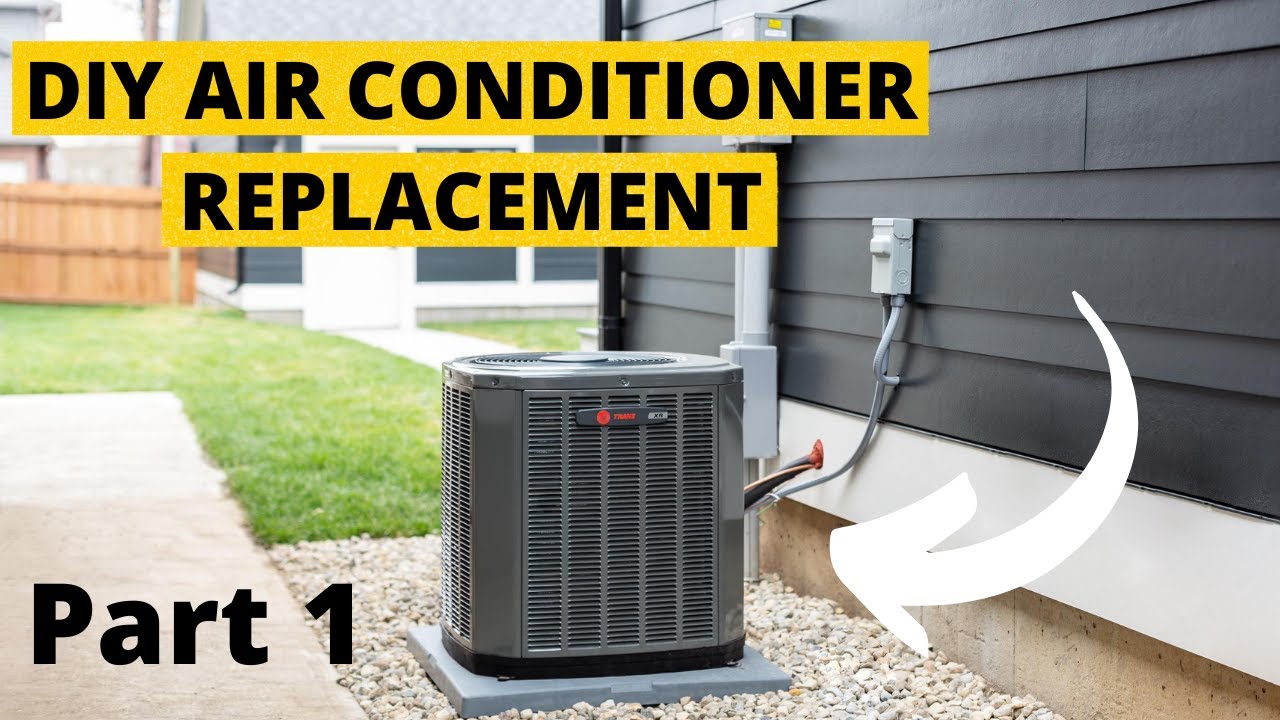
Alright, pull up a chair, grab a metaphorical (or literal!) iced coffee, because we need to talk about something serious. Something that, when it goes south, can turn your sweet abode into a sticky, sweaty, misery-inducing hellscape faster than you can say "is that an air conditioner or a broken hair dryer?" We’re talking about your central AC unit, folks, and that nagging feeling that it might be time to send it on a permanent vacation.
You know the feeling. It’s a sweltering July afternoon, and your AC is groaning like an old pirate with a peg leg, barely spitting out a sigh of cool air. You’re standing in front of the open fridge, wondering if you can just live in there for the summer. This, my friends, is usually the first sign that your relationship with your current AC unit is… complicated.
The Grand Old Age: When Your AC Becomes a Relic
Let’s be honest, nothing lasts forever, not even your valiant air conditioner. Most central AC units are designed to last between 10 and 15 years. If your unit is older than your eldest child (and that child is now paying taxes), it's probably time to have "the talk."
Must Read
Imagine your grandpa trying to run a marathon. Bless his heart, he’s trying, but is he going to win? Probably not. Is he going to be efficient? Absolutely not! Your ancient AC is in the same boat. It's working its little heart out, but it's just not as spry as it once was. It's burning through energy like it’s a fuel guzzling SUV from the 90s, all while delivering the cooling power of a damp towel.
The Repair Rodeo: Are You on First-Name Terms with Your HVAC Tech?
If your HVAC technician knows your dog’s name, your coffee order, and where you keep the spare key, you might have a problem. Frequent breakdowns are not just inconvenient; they're a giant, flashing neon sign saying, "I'm on my way out!"

Think of it like this: if your car is in the shop every other month for a different issue – new brakes, then the transmission, then the tires – at some point, you have to ask yourself, "Am I fixing a car, or am I just funding a very expensive hobby?" The same applies to your AC. Those repair costs add up faster than you can say, "Is that refrigerant supposed to be leaking?"
The Energy Bill Horror Story: Your AC is an Undercover Heater
Have you opened your electricity bill recently and screamed a little? Like, a high-pitched, guttural scream that made your neighbors wonder what kind of animal you were harboring? If your energy bills are suddenly skyrocketing, even though your AC is running non-stop and you're still sweating, your unit might be incredibly inefficient.

An old, struggling AC unit works harder to achieve the same cooling effect (or rather, the lack thereof). It’s like trying to bail out a leaky boat with a teacup – lots of effort, minimal results. You're essentially paying to run a very expensive fan that occasionally reminds you it used to be an air conditioner. Replacing an old unit with a new, high-efficiency model can actually save you a significant amount of money in the long run. It’s an investment that pays itself back, unlike that avocado slicer you bought last year.
The Uneven Chill & The Strange Noises: Is Your House Haunted?
Are some rooms in your house Arctic tundras while others feel like the surface of the sun? This phenomenon, known as "uneven cooling," is a classic symptom of an AC unit that’s seen better days. It might be struggling to distribute air properly, or it might just be too small (or too old) for your home's needs.
And then there are the noises. Is your AC wheezing, clanking, hissing, buzzing, or making sounds that suggest it's wrestling a small animal inside? While some noises are normal, persistent or loud grinding, screeching, or banging sounds are a dire warning. These are often signs of failing parts like the motor, compressor, or fan. If it sounds like your AC is trying to communicate in Morse code, it’s probably saying, "Help me. Or just replace me."

The Dreaded R-22 Refrigerant: A Disappearing Act
Here's a surprising fact that might push you over the edge: if your AC unit was installed before 2010 (and possibly up to 2015), it likely uses a refrigerant called R-22 (also known as Freon). Due to environmental regulations, R-22 production was phased out and virtually banned in the US as of January 1, 2020.
What does this mean for you? If your R-22 unit develops a leak, getting more R-22 is like finding a unicorn at a yard sale – incredibly expensive and increasingly rare. Servicing an R-22 unit can become prohibitively costly, making replacement a no-brainer. It's like trying to maintain a vintage car that runs on a type of gasoline that no longer exists. Good luck with that!

The Repair vs. Replace Math: When Enough is Enough
So, how do you know when to bite the bullet? Here’s a handy rule of thumb: If the cost of a repair is more than 50% of the cost of a new unit, it’s almost always better to replace it. Especially if your unit is already on the older side. You don't want to throw good money after bad, turning your AC into a money pit with a fan.
Ultimately, a new AC unit isn't just about escaping the heat; it's about comfort, peace of mind, and lower energy bills. It's about not having to wonder if tonight's sleep will involve damp sheets and desperate prayers for a breeze. It’s about upgrading from a worn-out workhorse to a sleek, efficient, cooling machine.
Don't be a martyr to your miserable, ancient AC unit. If your AC is old, constantly breaking down, making weird noises, or sending your energy bills through the roof, it’s time to face the music. Your future, comfortable self will thank you. Now, go forth and embrace the chill!