When Should You Turn On The Heat In Your House
Ah, the age-old question that sparks debate in households and offices alike: When is it really time to turn on the heat? It's a topic that's surprisingly fascinating, not just because it directly impacts our comfort levels, but also because it touches upon everything from energy conservation to personal preference and even the health of our homes. Understanding the nuances of this simple decision can save you money, keep you cozy, and prevent potential problems down the road. Plus, let's be honest, it's fun to be the most prepared (and warmest!) person in the room.
The primary purpose of turning on the heat is, of course, to maintain a comfortable and safe indoor temperature. This isn’t just about feeling good; it’s about protecting our health. A consistently cold environment can weaken your immune system, making you more susceptible to colds and flu. For the very young, the elderly, and those with certain medical conditions, maintaining a safe temperature is even more crucial. Beyond personal health, consistent heating also benefits your home itself. Extreme temperature fluctuations can cause pipes to freeze and burst, and can even damage delicate wood furniture or musical instruments.
Think about how this plays out in daily life. Imagine a family with young children. Setting the thermostat to a reasonable temperature ensures the kids can play comfortably and sleep soundly without being chilled. Or consider an elderly person living alone. Turning on the heat early in the season can prevent hypothermia and other cold-related health issues. Even in an office setting, maintaining a comfortable temperature can improve productivity and morale. Nobody wants to shiver their way through a spreadsheet!
Must Read
So, how do you determine the ideal time to fire up the furnace? There's no one-size-fits-all answer, but here are a few practical tips and exploration ideas:
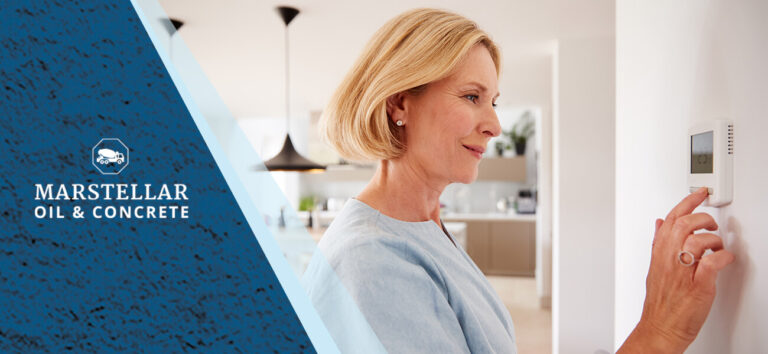
- Monitor the Thermostat: Pay attention to the indoor temperature. Most experts recommend setting your thermostat to around 68-72°F (20-22°C) during the day and slightly lower at night.
- Consider the 50-60 Rule: Some people follow a general guideline of turning on the heat when outdoor temperatures consistently drop below 50-60°F (10-15°C). This is a good starting point, but remember to adjust based on your personal comfort.
- Factor in Humidity: High humidity can make the air feel colder than it actually is. A dehumidifier can help if this is an issue in your home.
- Layer Up! Before cranking up the heat, try layering clothing. A sweater and warm socks can make a big difference.
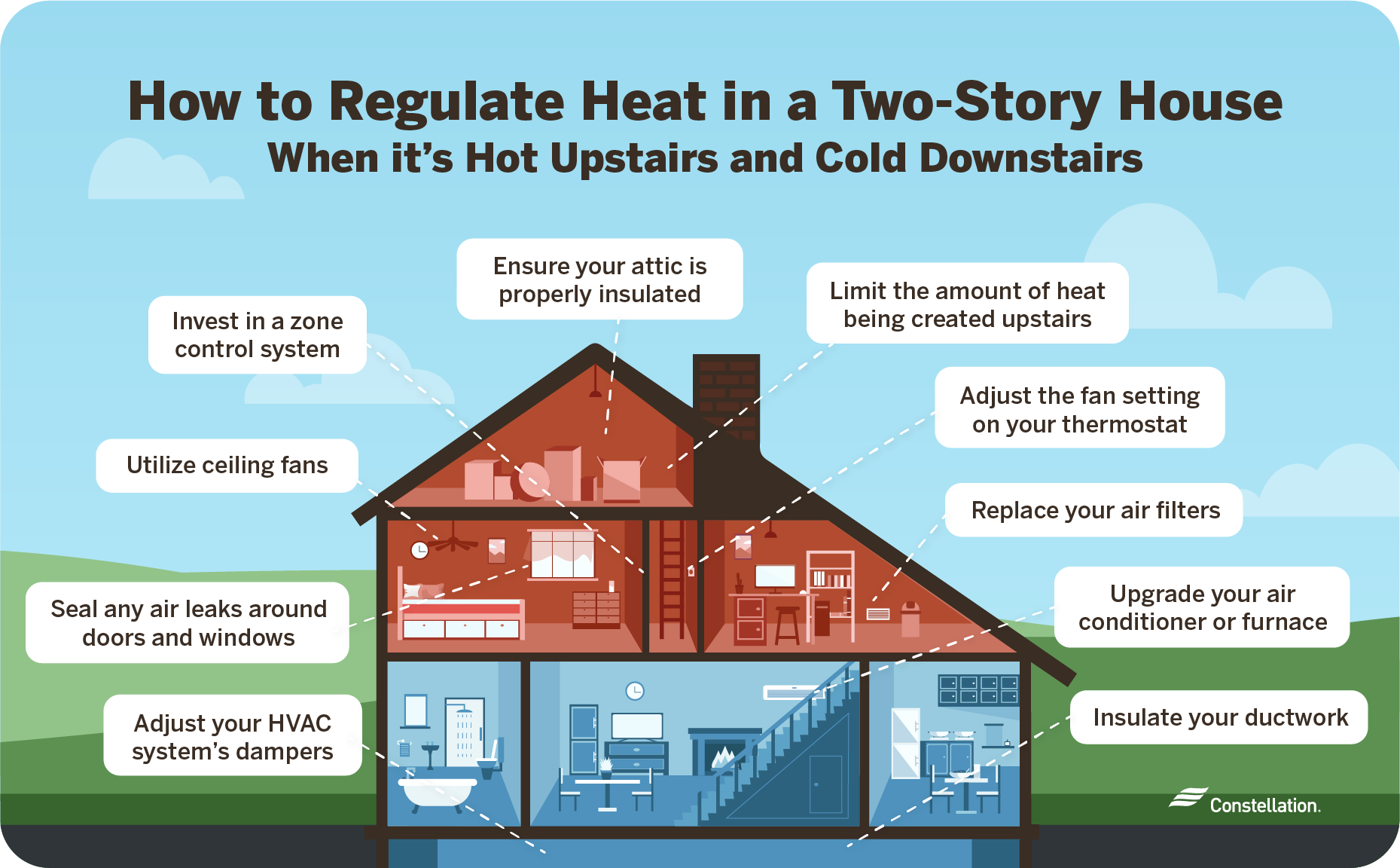
- Observe Your Home: Check for drafts around windows and doors. Sealing these drafts can significantly improve your home's energy efficiency and overall warmth.
- Experiment: Play around with your thermostat settings and see what works best for you. Keep a log of the temperature, your comfort level, and your energy usage to find the sweet spot.
Ultimately, deciding when to turn on the heat is a personal decision based on your individual needs and circumstances. By understanding the benefits of consistent heating and experimenting with different strategies, you can find the perfect balance between comfort, health, and energy efficiency. So, keep an eye on that thermometer, listen to your body, and stay warm!