When Pak Became Nuclear Power

Okay, so picture this: it’s May of 1998. I was just a kid, really, maybe a bit too young to fully grasp the complexities of geopolitics (heck, I'm still working on that!). But I distinctly remember the buzz. Not just a regular buzz, mind you, but an electric one. People were gathered around radios, glued to their tiny TV screens, and there was this palpable sense of anticipation mixed with... well, something bordering on defiance. It felt like everyone was holding their breath.
Then, suddenly, it was like the whole country exhaled, but with a roar. Sweets were being distributed, people were dancing in the streets, fireworks (the cheap kind, but still!) were going off. It was almost like another Eid, but without the mandatory family visits and saggy shalwar kameez. My elders, usually so serious, had these wide, proud smiles, and the word on everyone's lips was "Dhamaka!" (Blast!).
The Build-Up & The Boom
What was all the fuss about, you ask? Well, rewind just a couple of weeks. Our neighbour, India, had just conducted their own nuclear tests, Pokhran-II. And let me tell you, the pressure on Pakistan was immense. It felt like the whole world was watching, wondering, what would Pakistan do? There were calls for restraint, threats of sanctions, and a general air of "please don't do it, but we kinda know you might."
Must Read
But Pakistan, as it often does, decided to write its own script. And on May 28, 1998, a Friday, deep in the desolate, beautiful Chagai Hills of Balochistan, we did it. Not once, but five times. Then, just for good measure, another one on May 30th. Six tests in total, sealing the deal. The code name for the first series was "Chagai-I," and the message was loud and clear: we are here, and we are capable.
I mean, think about the sheer audacity! A developing nation, facing economic challenges, under intense international scrutiny, decided to become a declared nuclear power. It was a moment of national reckoning, a declaration of strategic autonomy. For many, it felt like we'd finally stood tall on the global stage, consequences be damned.

The Fallout & The "Why"
Locally, the reaction was nothing short of euphoric. Flags fluttered from every rooftop, national anthems played on repeat, and suddenly, everyone felt a little bit taller, a little bit prouder. It was a massive shot in the arm for national identity, a moment where the entire country, regardless of its usual divisions, seemed to unite under one banner: We're nuclear!
Globally? Uh, not so much. The celebrations at home were met with swift condemnation and sanctions from the West, particularly the US. Remember that? The immediate economic hit was tough, but the general sentiment in Pakistan was, "worth it." It was a classic "damned if you do, damned if you don't" situation, and Pakistan chose to "do."

But beyond the jingoism and the economic fallout, there's the deeper question: why? And the answer, often simplified, is deterrence. The idea that possessing nuclear weapons would prevent any large-scale conventional war, effectively balancing power in a historically volatile region. It's a grim kind of peace, isn't it, built on the threat of unimaginable destruction? But for many, including the decision-makers at the time, it was seen as the only viable path to long-term security.
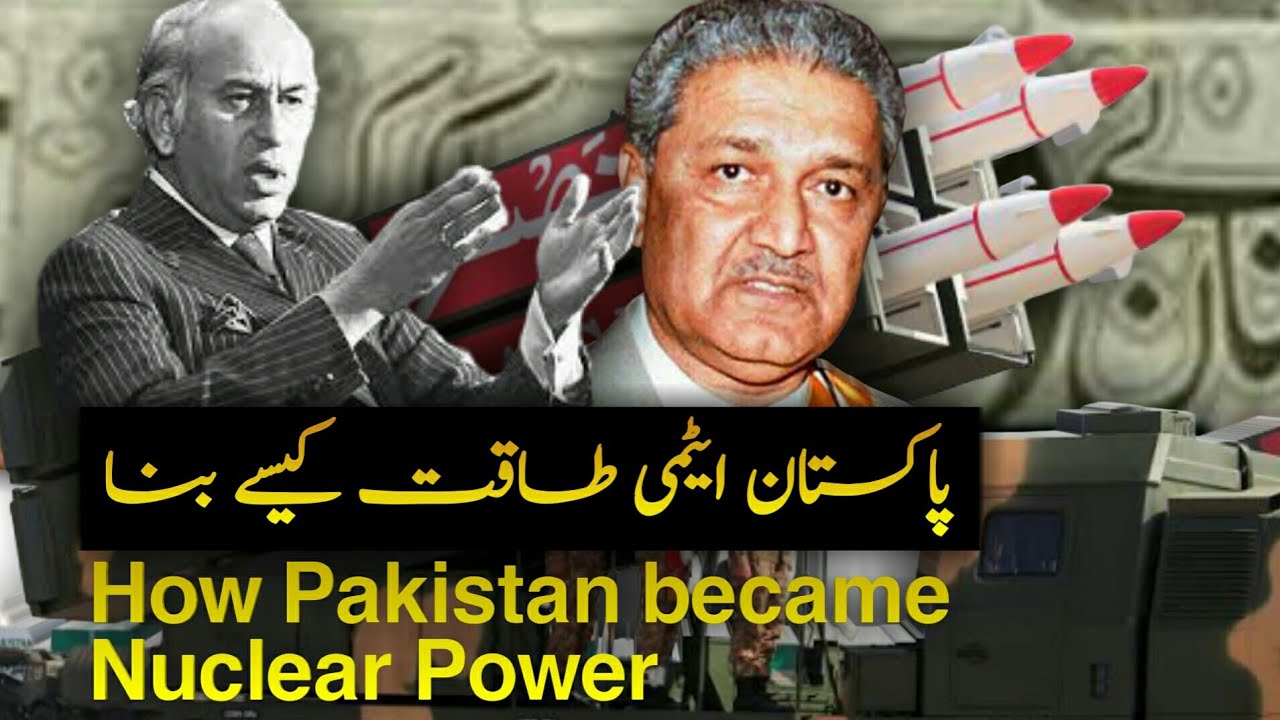
The man often credited as the "father of the bomb," Dr. Abdul Qadeer Khan, became an overnight national hero, a symbol of scientific prowess and national pride. His image was everywhere. It truly felt like Pakistan had crossed a threshold, entering an exclusive, albeit dangerous, club.
Looking back, it’s a moment etched into Pakistan's history, a turning point that forever altered its strategic landscape. It cemented its position as a serious, albeit sometimes controversial, player in international relations. And for that little kid listening to the celebratory blasts, it was just... epic. Little did I know, it was the day Pakistan fundamentally changed its relationship with the world, and with itself.