
When Is It Going To Start Getting Cold In Texas
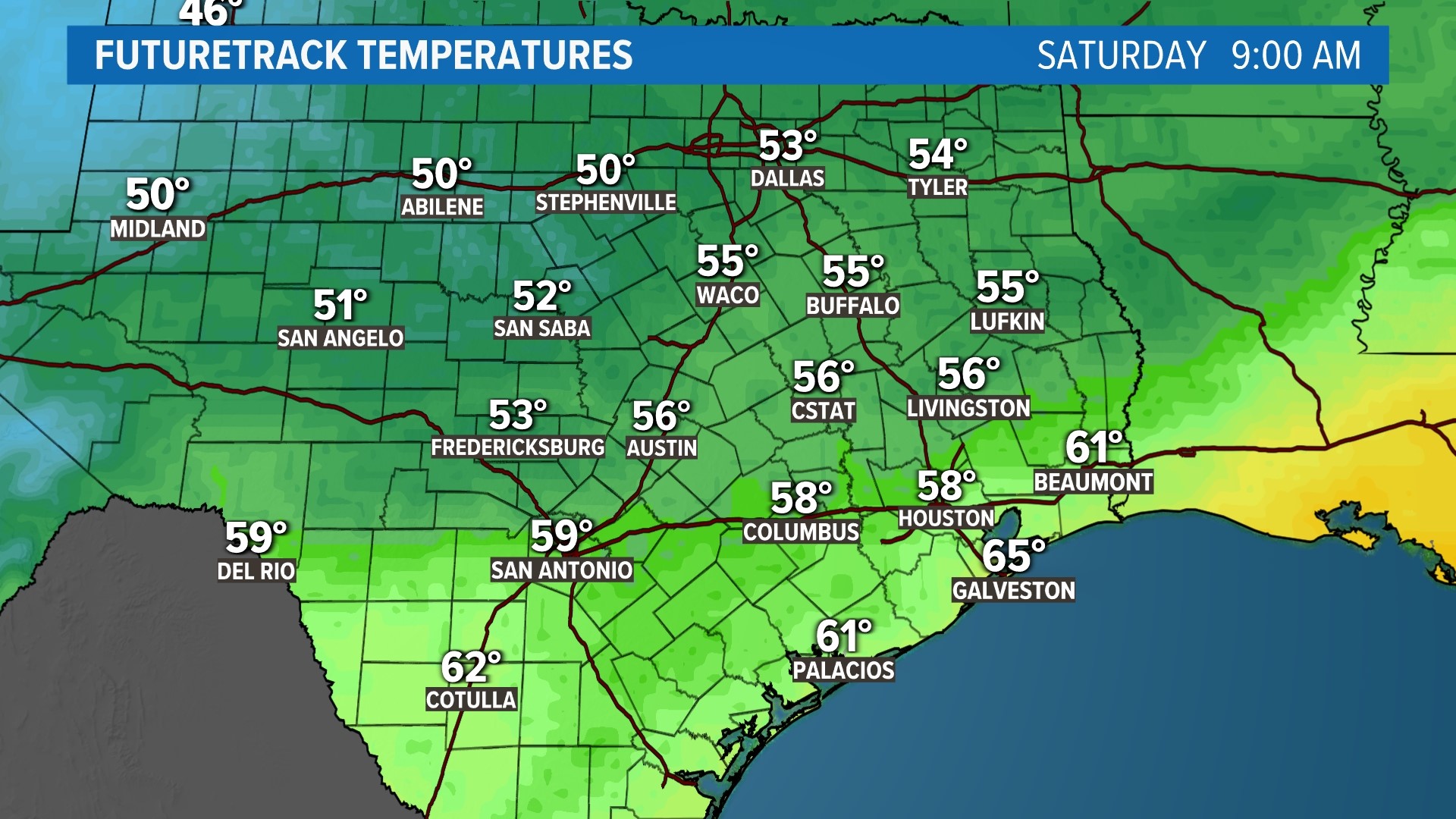
Alright, Texas folks, let's talk about something we're all patiently waiting for: that sweet, sweet relief from the heat. When, oh when, is it going to start getting cold in Texas?
I know, I know, it feels like summer's grip is never-ending. Like that one friend who overstays their welcome, summer just keeps hanging around, doesn't it? But fear not! Change is coming. The question is, on whose schedule?
The Texas Two-Step: Heat and (Eventual) Cool
Texas weather is a bit of a drama queen, wouldn't you agree? We go from blistering heatwaves that could fry an egg on the sidewalk (seriously, don't try it, it's messy) to… well, eventually, something a little less intense. We're not exactly talking about Arctic chills here, but a break from the relentless sun is something we all crave.
Must Read
The transition to cooler weather in Texas is more of a slow dance than a sudden plunge. Think of it as a graceful waltz, not a headbanging mosh pit. It's a gradual decrease in temperatures, spiced with the occasional teasing cold front that sweeps through, reminding us that hoodies are somewhere in the closet.
So, When's the Magic Date?
Predicting Texas weather is like trying to herd cats. It's… challenging. However, based on historical trends and the general vibe of Mother Nature, we can pinpoint a general timeframe.

Historically, mid-to-late October is usually when we start to see consistent signs of fall creeping in. We're talking about daytime highs dipping below 80 degrees. Imagine! That’s like trading in your sweaty t-shirt for a light sweater. A cause for celebration, indeed.
But don’t get too excited just yet. November is where things really start to shift. Think average daytime temperatures in the 60s and 70s. Perfect weather for hiking, pumpkin patches, and all things fall-related.
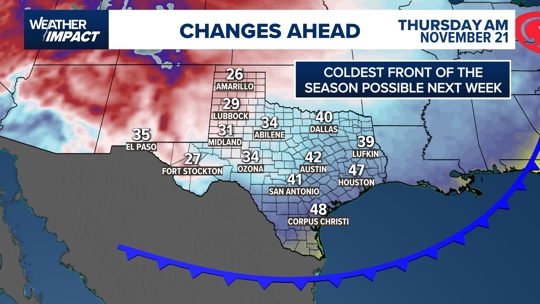
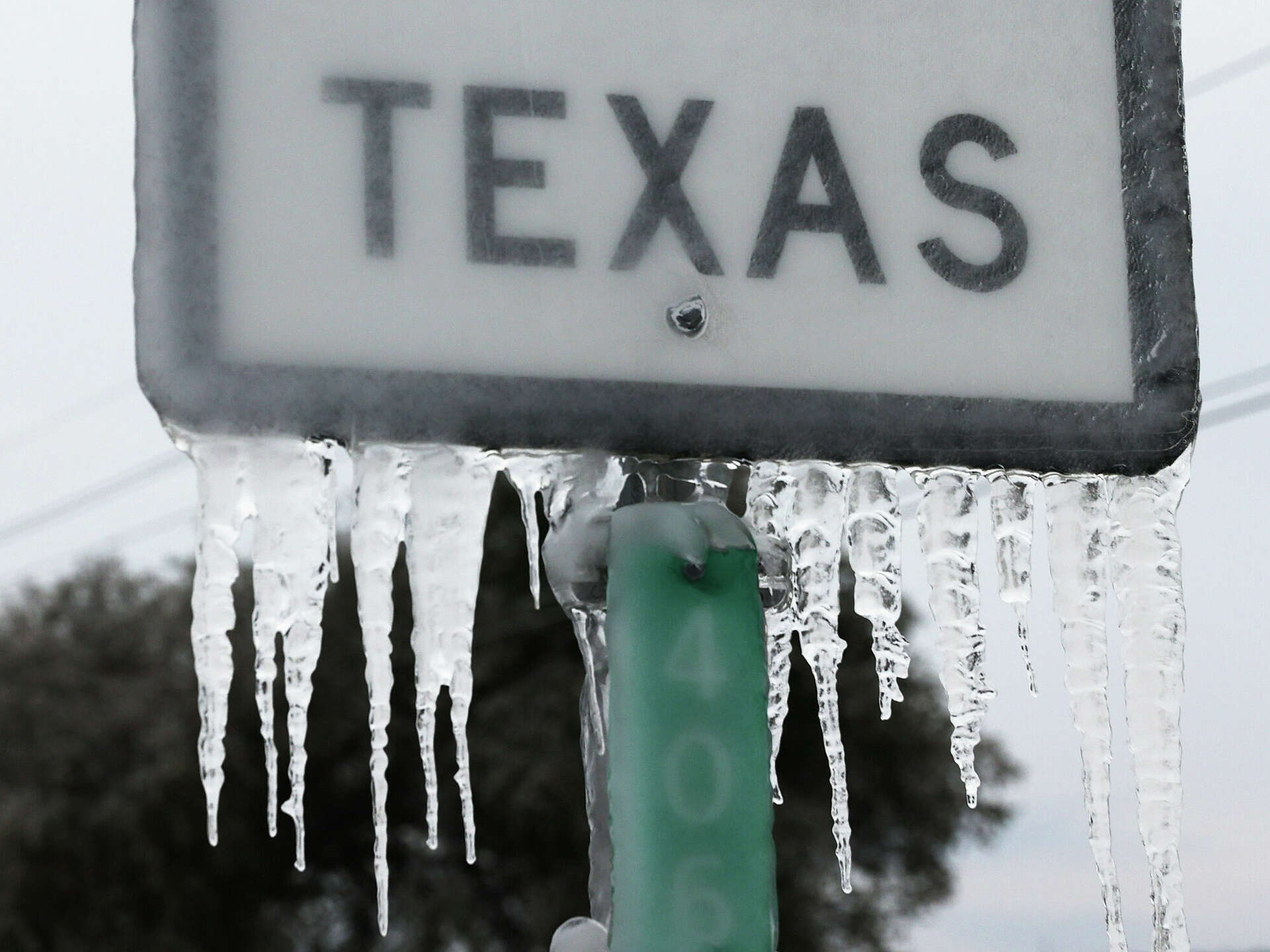
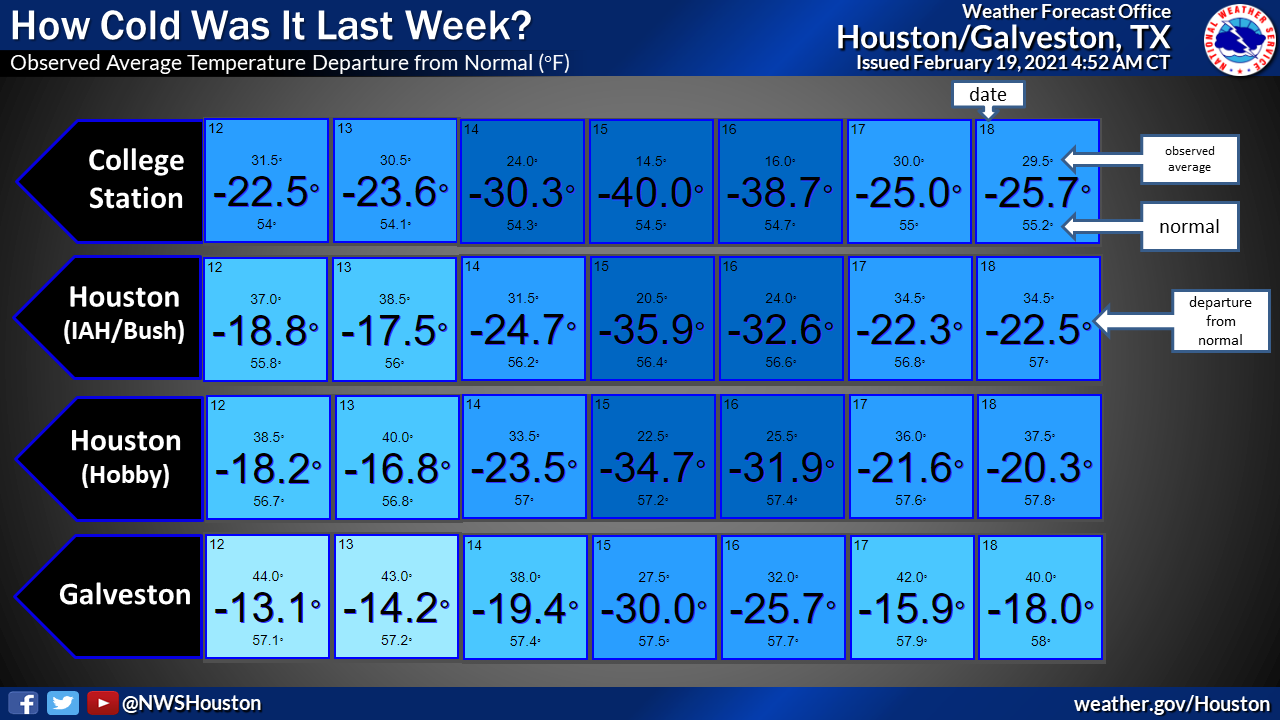
December is when the real cold can kick in, but even then, Texas winters are pretty mild compared to, say, Minnesota. We might see a few freezes here and there, maybe even a dusting of snow in some parts of the state. But generally, it's more of a "wear a light jacket" kind of cold rather than a "hibernate indoors until spring" kind of cold.
Why is it so… complicated?
Texas's size plays a big role in its wacky weather. It's HUGE. It’s like comparing a chihuahua to a Great Dane. North Texas gets a completely different weather pattern compared to South Texas. El Paso’s climate is worlds apart from Houston’s.
Also, the Gulf of Mexico has a major influence, especially in the eastern part of the state. It’s like a giant weather humidifier, constantly pumping moisture into the air. This leads to those lovely humid days that make your hair frizz and your skin feel like it's permanently damp. But it also moderates temperatures, preventing things from getting too cold.
Looking Ahead: Hints and Hunches
Keep an eye on long-range weather forecasts. They're not always 100% accurate, but they can give you a general idea of what to expect. Websites like the National Weather Service and reputable weather apps can be your friends. But remember, take them with a grain of salt. Weather forecasting is more art than science, at least in Texas.
What's the Farmer’s Almanac say? Some people swear by it. Others think it's a load of old wives' tales. Decide for yourself! It's all part of the fun.
The Bottom Line
So, when is it going to start getting cold in Texas? The most honest answer is... it depends! But generally, look for a noticeable shift in temperatures starting in mid-to-late October and continuing through November and December.
Until then, stay cool (literally and figuratively), drink plenty of water, and enjoy the last dregs of summer. Because before you know it, you'll be complaining about how "cold" it is when it's only 60 degrees outside. It's the Texas way!
And hey, maybe this year will be different. Maybe we'll get a surprise early cold snap. Or maybe summer will just keep going and going, like a battery bunny with a never-ending supply of energy. Only time will tell. But one thing's for sure: Texas weather is never boring.