When Hooking Up A Battery Which Terminal First

Alright folks, let's talk batteries! We're not talking about the Energizer Bunny here (though, who doesn't love that pink fluffball?), but the batteries that power our cars, boats, lawnmowers… basically anything that goes “vroom” or needs a little electrifying kick-start. And, specifically, about which terminal you connect first. Now, I know what you're thinking: "Ugh, another boring car thing." But trust me, this little nugget of knowledge can save you from a seriously shocking situation (pun intended, of course!).
Think of it like this: remember playing with magnets as a kid? Stick the wrong ends together, and they'd repel each other like crazy! Connecting battery terminals in the wrong order is kind of like that, only instead of just a little frustration, you could end up with sparks, damaged electronics, or even a battery explosion. Yikes!
The Golden Rule: Negative First (Disconnecting, Positive First)
The basic rule is simple: when connecting a battery, always hook up the positive (+) terminal last. That means the negative (-) terminal goes on first. Got it? Good! Now, to make things slightly more confusing (because life just loves to throw curveballs), when disconnecting a battery, you do the opposite. Positive (+) comes off first!
Must Read
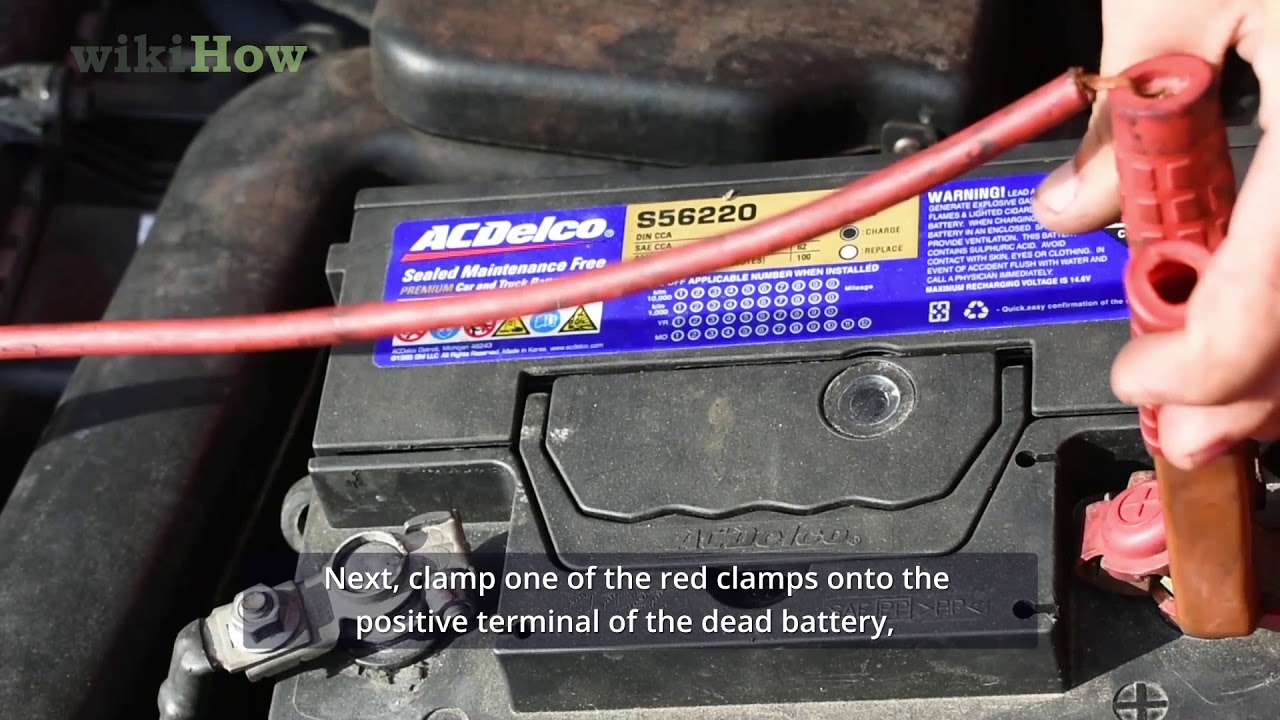
Let's break it down further, because I like to be extra clear (and because I've definitely made this mistake myself… more than once!). Imagine you're giving your car a little battery boost. You've got your jumper cables ready to go. First thing you do? Find the negative (-) terminal on both batteries. Then attach the jumper cable to a good ground on the "dead" car – that’s usually an unpainted metal part of the engine block. Only then do you connect the positive (+) terminals. Why? Because if you accidentally touch the wrench (or even your wedding ring… speaking from experience here!) to a grounded part of the car while connecting the positive terminal, you're creating a short circuit. And short circuits are not your friend.
It's all about minimizing the risk of creating a circuit where you don't want one. When the negative terminal is already connected, the car's chassis is effectively part of the negative circuit. If you then accidentally touch the positive cable to the chassis while connecting it, BAM! Short circuit city.

Why Should You Care? Beyond the Sparks
Okay, so maybe you’re thinking, “I’m careful, I won’t let anything touch!” And that’s great! But even the most careful among us can have a momentary lapse in concentration. Besides, it’s not just about sparks flying and scaring the bejeezus out of you (although, that's a pretty good reason!). Incorrectly connecting a battery can also damage your car's sensitive electronics. Modern cars are packed with computers that control everything from the engine to the radio to the anti-lock brakes. A sudden surge of power from a wrongly connected battery can fry those systems, leading to expensive repairs. We're talking hundreds, maybe even thousands of dollars!
Think of it like baking a cake. You wouldn't just throw all the ingredients in at once without following the recipe, right? You add the flour, then the sugar, then the eggs, and so on. Connecting a battery is similar. There's a specific order to follow to ensure everything goes smoothly and you don't end up with a disastrous mess.
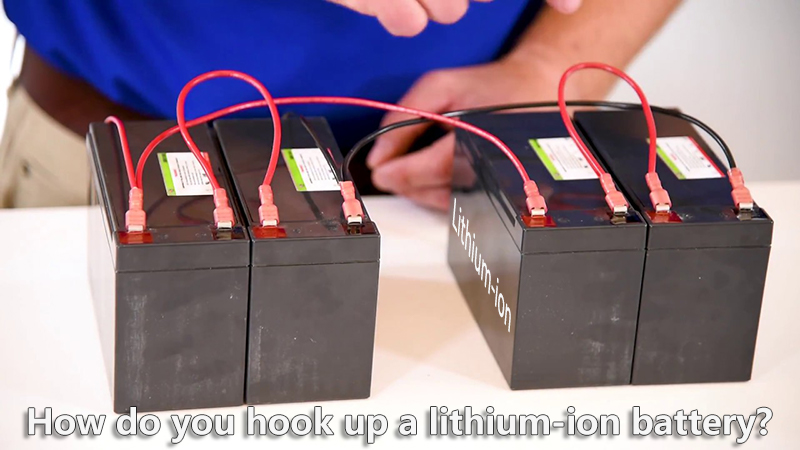
And let's not forget about safety. Batteries contain sulfuric acid, which is corrosive and can cause burns. If you cause a spark or a battery explosion, you're putting yourself at risk of being splashed with this nasty stuff. No one wants that! It's also possible, in rare cases, to cause a hydrogen gas leak from the battery which can ignite with the smallest spark.
A Little Story to Drive It Home
My Uncle Jerry, bless his heart, is a walking, talking example of why this matters. He’s the kind of guy who thinks he knows everything (we all have one, right?). One time, he was helping me jump-start my car, and insisted on connecting the positive terminal first. I tried to explain, but he just waved me off, saying, "Nah, it'll be fine!" Well, "fine" turned into a shower of sparks and a frantic scramble for a fire extinguisher. Thankfully, no one was hurt, but his pride (and my car's radio) took a serious hit. Let's just say he listens a little more carefully now.
The Takeaway: Positive Last, Always!
So, the next time you're dealing with a battery, remember the golden rule: Negative first (disconnecting, positive first!). It's a simple little trick that can save you from a lot of headaches (and potentially a hefty repair bill). Think of it as a small act of self-care for both you and your vehicle. You'll be safer, your car will be happier, and you can avoid becoming the next Uncle Jerry cautionary tale. Plus, you'll feel like a total pro knowing you're handling things the right way. Now go forth and conquer those batteries… responsibly!