
When Heated Steel Structural Members Tend To

Okay, let's talk about heated steel! Now, I know what you're thinking: "Steel? Heated? Sounds like a boring science lecture!" But trust me, understanding when heated steel structural members tend to... well, change, can be surprisingly fascinating – and even useful in everyday life. Seriously!
Think about it. Steel is everywhere: bridges, buildings, even your car. We rely on its strength and durability. But what happens when it gets really hot? Does it stay the same? Nope! That's where things get interesting.
We are not going to delve into deep metallurgy here, no complex formulas or charts. Instead, we're aiming for a friendly chat about how heat affects those mighty steel beams and columns we see all around us. Think of this as steel structural member behavior for the masses!
Must Read
When Steel Starts to Sweat (Metaphorically Speaking, Of Course!)
First, let's be clear: steel doesn't actually sweat. But it does change its properties when heated. One of the most important things to understand is that steel's strength and stiffness start to decrease as the temperature rises. It's not an immediate drop-off, but a gradual decline. The hotter it gets, the weaker it becomes. Pretty intuitive, right?
This loss of strength can have significant consequences for structures. Imagine a building on fire. The steel beams supporting the floors get heated, and they start to lose their ability to carry the load. This can lead to structural collapse, which is, needless to say, a very bad thing.
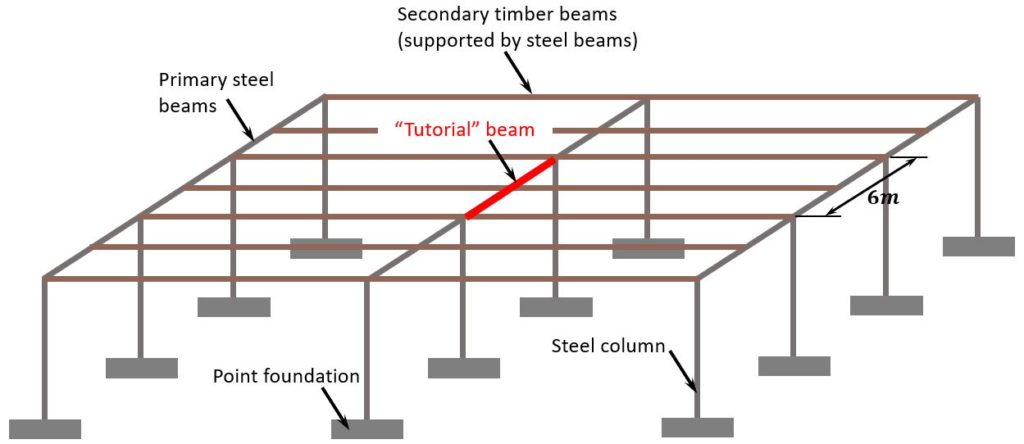
So, when specifically does this happen? There's no single magic number. It depends on the type of steel, the load it's carrying, and how long it's exposed to the heat. However, significant strength reduction typically starts to occur around 500-600 degrees Celsius (932-1112 degrees Fahrenheit). That's hot! (Don't try this at home, folks!)
Think of a paper clip. You can easily bend it when you heat it up with a lighter. Same principle, only on a much larger, and more serious scale when applied to the steel members that support a building.
Creep: The Silent Threat
Now, here's something you might not expect: even at temperatures below that critical point of 500-600°C, steel can still be affected by heat over time. This is called creep.
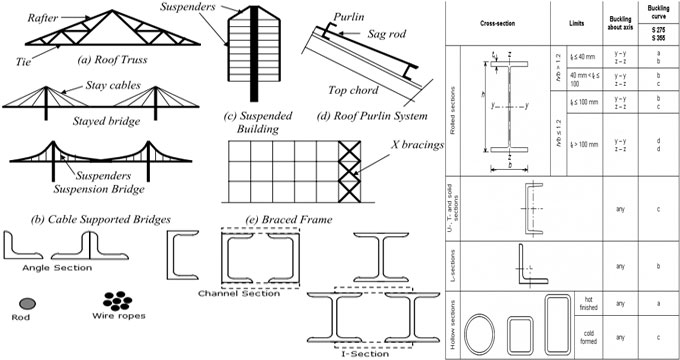
Creep is a slow, gradual deformation of the steel under a sustained load. It's like stretching a rubber band – if you pull on it gently for a long time, it will eventually start to stretch permanently. So, think of creep as the steel slowly, very slowly, yielding under pressure, even when the temperatures are relatively low. It's a subtle phenomenon, but it can accumulate over time and lead to structural problems.
This is particularly important in structures that are subjected to sustained high temperatures, such as power plants or industrial furnaces. Engineers need to account for creep when designing these structures to ensure their long-term safety and reliability.
So, Why Should You Care?
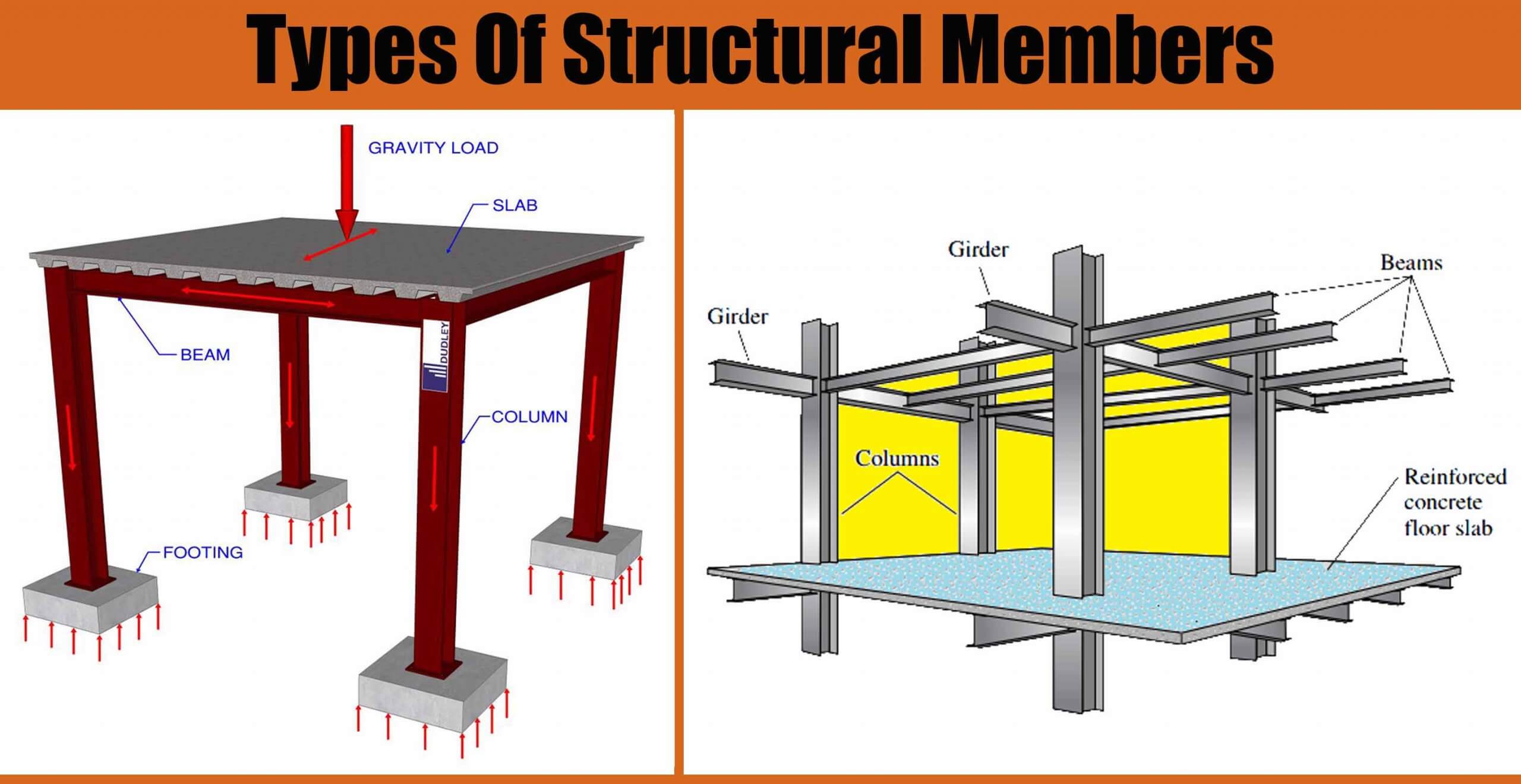
Okay, so you might not be designing bridges or skyscrapers anytime soon. But understanding how heat affects steel can still be relevant to your life. For instance, knowing that steel loses strength at high temperatures can make you more aware of fire safety. It might even encourage you to think a little more deeply about the design of buildings and infrastructure around you. "Hey, that beam looks important! I wonder what would happen if it got really hot?" See? Fascinating!
Moreover, the principles of structural engineering apply to many areas, from designing strong furniture to understanding the limits of materials in general. Knowing how materials behave under different conditions is a valuable skill in many fields.
Furthermore, the knowledge we are acquiring here can even have implications for areas like cooking! Think of the steel baking sheets you are using. Are you going to subject them to excessive heat? Probably not, right?

The Future is Bright (and Possibly Made of Stronger Steel!)
Engineers are constantly working on new and improved types of steel that are more resistant to heat and creep. They are developing new coatings and fireproofing materials to protect steel structures from fire damage. The goal is to make our buildings and infrastructure safer and more resilient.
So, the next time you see a steel structure, take a moment to appreciate the amazing properties of this versatile material. And remember that even something as seemingly simple as heating steel can have profound effects on its behavior.
Hopefully, you found this little journey into the world of heated steel informative and maybe even a little bit inspiring. The world is full of amazing scientific and engineering concepts just waiting to be explored. Keep asking questions, keep learning, and who knows what fascinating discoveries you might make!