
When Driving On Snow Covered Roads You Should

Okay, picture this: You're behind the wheel, and the world outside is a pristine blanket of white. It's snow time! But wait, before you channel your inner rally driver, let's talk about navigating those snow-covered roads. It's not just about getting from A to B; it's about doing it with finesse (and maybe a little bit of controlled sliding, if you're lucky).
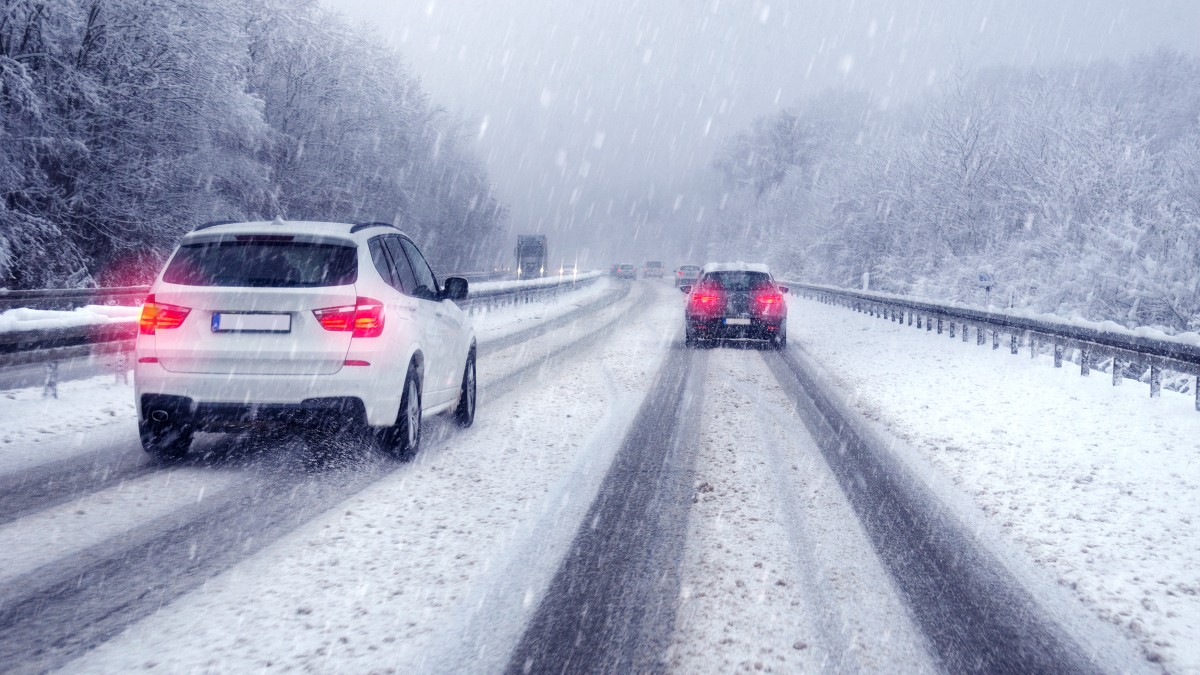
First things first: Slow Down! This isn't a suggestion; it's a golden rule etched in icy stone. Seriously, imagine you're driving on a giant slip-n-slide. Would you floor it? Probably not. Same principle applies here. Give yourself plenty of time to react to, well, anything. A squirrel, a rogue snowman, a sled full of giggling kids – you never know!
And speaking of reaction time, create some breathing room. I mean, increase your following distance. We're talking doubling or even tripling the gap you'd normally leave between you and the car ahead. Think of it as building a buffer zone against the unexpected. Think of it as a chance to really appreciate the winter scenery!
Must Read
The Gentle Touch: Steering, Braking, and Acceleration
Now, let's talk about the art of gentle persuasion. When it comes to steering, braking, and acceleration, smoothness is your superpower. Avoid sudden movements like you're avoiding a fruitcake at Christmas. Ease into everything. Pretend you're handling a priceless antique vase filled with nitroglycerin.
Braking on snow requires a delicate dance. Slamming on the brakes is a surefire way to initiate a slide. Instead, use a light, consistent pressure. If you have ABS (Anti-lock Braking System), let it do its thing. You'll feel a pulsing sensation; that's normal. Just keep your foot on the brake and let the magic happen.

Acceleration? Think turtle, not hare. A slow and steady approach is key to maintaining traction. Avoid spinning your wheels, which is about as useful as bringing a comb to a bald convention. If you do start to lose traction, ease off the accelerator immediately.
What To Do If Things Get Slippery
Okay, let's say things get a little sideways (literally). You find yourself in a skid. Don't panic! The first rule of skid club is: don't panic. It sounds easier than it is, but a calm head is essential.
Here's the drill: gently steer in the direction you want to go. This is often called "steering into the skid." It feels counterintuitive, but trust me, it works. Ease off the accelerator and the brakes. Let the tires regain traction. It’s like whispering sweet nothings to your car, telling it everything is going to be alright.
If you're skidding with ABS, just remember what we spoke about earlier, and let the system do its thing! Some cars are also equipped with Traction Control which helps prevent skidding during acceleration.
Preparation is Key (and Kinda Fun)
Before you even venture out into the snowy wilderness, make sure your car is prepared. That means having good tires with plenty of tread. Think of your tires as your snowshoes. Worn-out tires on snow are like trying to run a marathon in flip-flops. Not ideal.

Also, check your fluids! Especially your windshield washer fluid. You'll be using it a lot to keep your visibility clear. Nothing ruins a winter drive like staring at a blurry, snow-covered windshield.
And while you're at it, pack an emergency kit. A blanket, a flashlight, some snacks, and maybe even a shovel could be lifesavers. Think of it as your own personal survival pack for the urban tundra.

Embrace the Adventure (Responsibly)
Driving on snow can be a unique and even enjoyable experience, especially if you are prepared and use all of the previous strategies. There's something strangely satisfying about navigating challenging conditions with skill and grace. It's like a winter driving ballet, except with more horsepower and less spandex. But remember: safety first. Driving on snow requires focus, patience, and a healthy dose of respect for the elements. So, go out there, embrace the adventure, and have some fun... responsibly! And if you're looking for advanced tips, check out courses on Skip Barber Racing School. They are the masters of control in tricky situations.
Drive safe, and may your winter drives be filled with joy (and minimal sliding!).
Disclaimer: This article is for informational purposes only and should not be considered a substitute for professional driving instruction. Always follow local laws and regulations.