When Did Benjamin Franklin Find Electricity

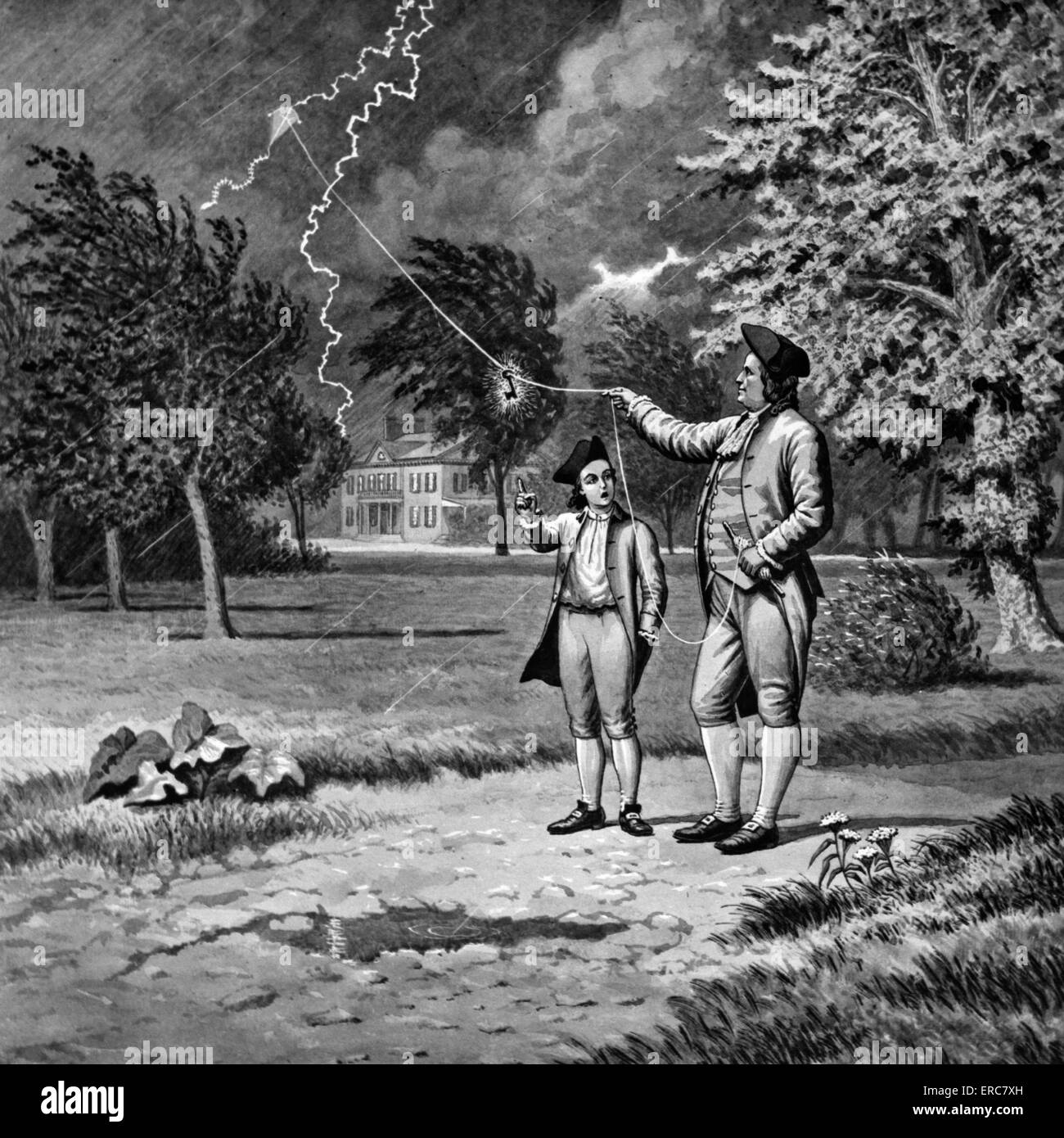
Okay, let's talk about Benjamin Franklin and electricity. You probably picture him standing in a thunderstorm, key dangling, right? Well, that's mostly right! But the story is a little more nuanced, and honestly, way more interesting than you might think.
First things first: Franklin didn't "discover" electricity. Electricity was already zipping around the universe long before he showed up. What he did do was prove a pretty radical idea at the time: that lightning was actually a form of electricity, just on a massive, super-powerful scale. Think of it like realizing that the tiny spark you get from rubbing a balloon on your head is the same thing powering a city. Pretty mind-blowing!
So, when did this electrifying epiphany happen? The famous kite experiment likely took place in June 1752. Now, I say "likely" because Franklin himself didn't actually write about doing the experiment until much later. He detailed it in a letter to a friend in England, Peter Collinson. Why the delay? Well, maybe he was just busy. Maybe he was worried people would think he was completely bonkers. Or maybe, just maybe, he was too busy dodging lightning to write it all down immediately!
Must Read
Here's the thing about the kite experiment: it was DANGEROUS. Seriously, don't try this at home! Franklin wasn't just casually flying a kite; he was intentionally trying to draw electricity down a wet kite string during a thunderstorm. He used a silk kite (because silk is a good insulator), attached a metal key to the string, and waited for lightning to strike. He wasn't directly touching the key; he held a dry silk ribbon connected to the key. The idea was that if lightning was electrical, the key would become charged, and he could then use that charge to do experiments.
Can you imagine standing there, holding a kite string in a thunderstorm, hoping to get struck by lightning...but not actually struck? Talk about a high-stakes game of chicken with nature! We don't know for sure if Franklin himself was the one holding the kite, or if he had someone else do it. Some accounts suggest his son, William, was there. Either way, it’s a testament to the desire to understand and control the world around them.
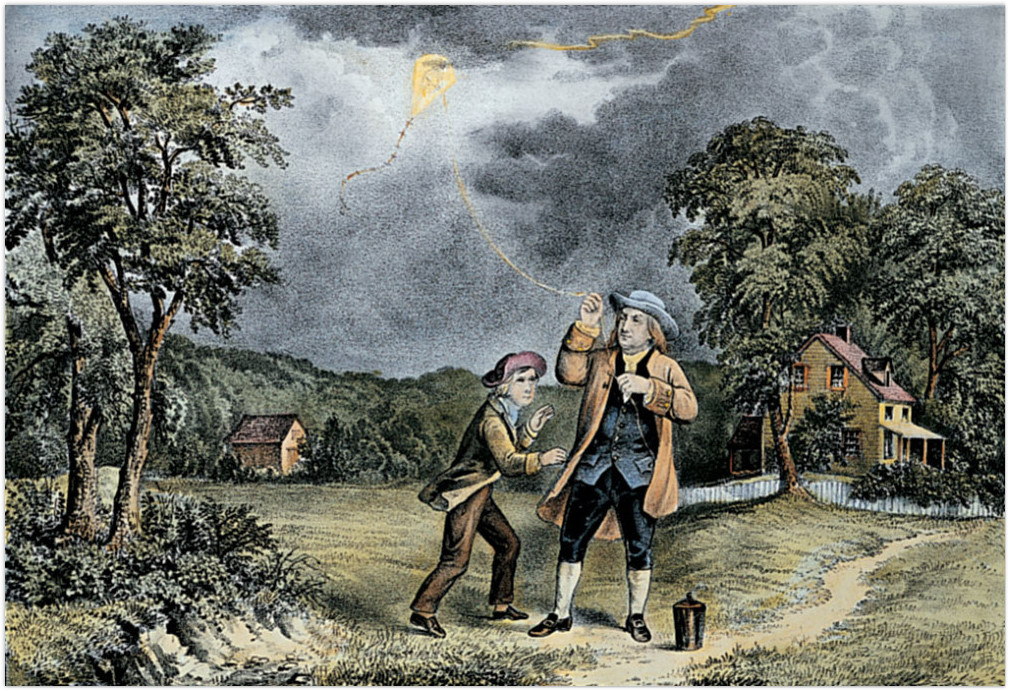
Now, some historians debate whether Franklin even performed the experiment exactly as described. But regardless, the idea behind the experiment was what mattered. It sparked (pun intended!) a wave of experiments and furthered the understanding of electricity. It was a critical turning point in science.
And here's a little-known fact: Franklin wasn't just some crazy scientist risking his life for knowledge. He was also a shrewd communicator. He used his findings to invent things that made people's lives better, like the lightning rod. Think about it: before lightning rods, lightning strikes were a constant threat to buildings and people. Franklin's invention, based on his electrical experiments, drastically reduced that risk. He was a true innovator and public servant.

So, the next time you think about Benjamin Franklin and electricity, remember it's not just about a kite and a key. It's about curiosity, bravery (or perhaps a touch of recklessness!), and a desire to understand the world around us. It's a story of scientific breakthrough, but also a story of human ingenuity and the willingness to take a risk – even if that risk involves a thunderstorm!
What Really Happened?
We might never know the complete, unvarnished truth about that day in June 1752. But the legend of Benjamin Franklin and his kite has become a powerful symbol of scientific discovery and the human quest for knowledge. And honestly, even if the story is a little embellished, it's a pretty electrifying tale, wouldn't you say?
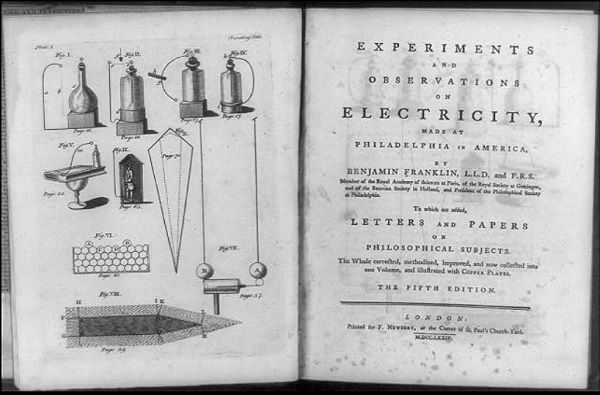
“Edison may have invented the light bulb, but Franklin discovered electricity.” - A slightly paraphrased, but very relevant, quote!
So, raise a glass (of water, perhaps, considering the electricity theme) to Benjamin Franklin: the kite-flying, lightning-chasing, Founding Father of electricity-related awesome-ness!