When Buying A House Who Pays For Inspection

Buying a house is a monumental decision, filled with excitement and, let's be honest, a healthy dose of anxiety. You've found the one, the place where you can picture building memories, painting the walls (literally, maybe!), and finally having that dream garden. But before you pop the champagne, there's a crucial step: the home inspection. And that inevitably leads to the question: who actually pays for it?
The short answer is: usually, the buyer does. Think of it as an investment in your peace of mind. You're essentially hiring a professional to give the house a thorough check-up, identifying any hidden problems that could turn your dream home into a money pit. This inspection isn't just about ticking boxes; it's about empowering you with knowledge before you commit to what is likely the biggest purchase of your life.
Why is this so important? Imagine discovering, after you've moved in, that the roof is leaking, the wiring is faulty, or there's a hidden mold problem. These are costly repairs that you'd suddenly be responsible for. A home inspection helps you avoid these nasty surprises, giving you the opportunity to negotiate repairs with the seller or, in some cases, walk away from the deal altogether.
Must Read
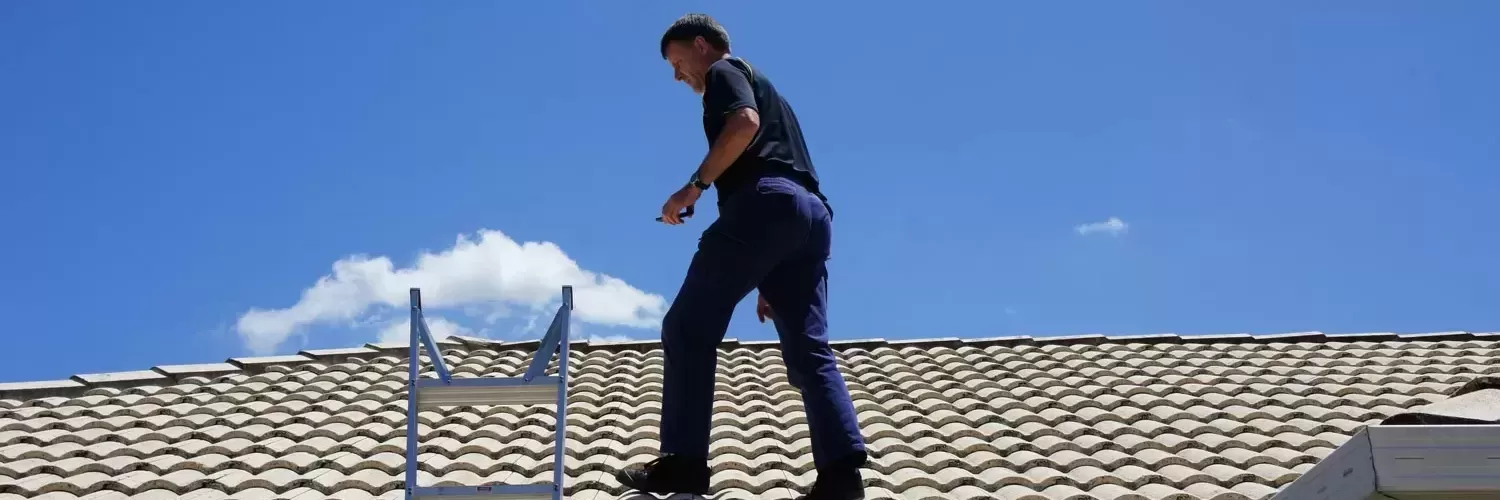
Now, let's talk about the benefits. A good home inspection covers a wide range of areas, including: the foundation, roof, plumbing, electrical system, heating and cooling systems, and even signs of pests. The inspector will look for structural issues, water damage, code violations, and anything else that could affect the safety or value of the property. Their findings are presented in a detailed report, complete with photos and explanations, so you can understand the condition of the house.
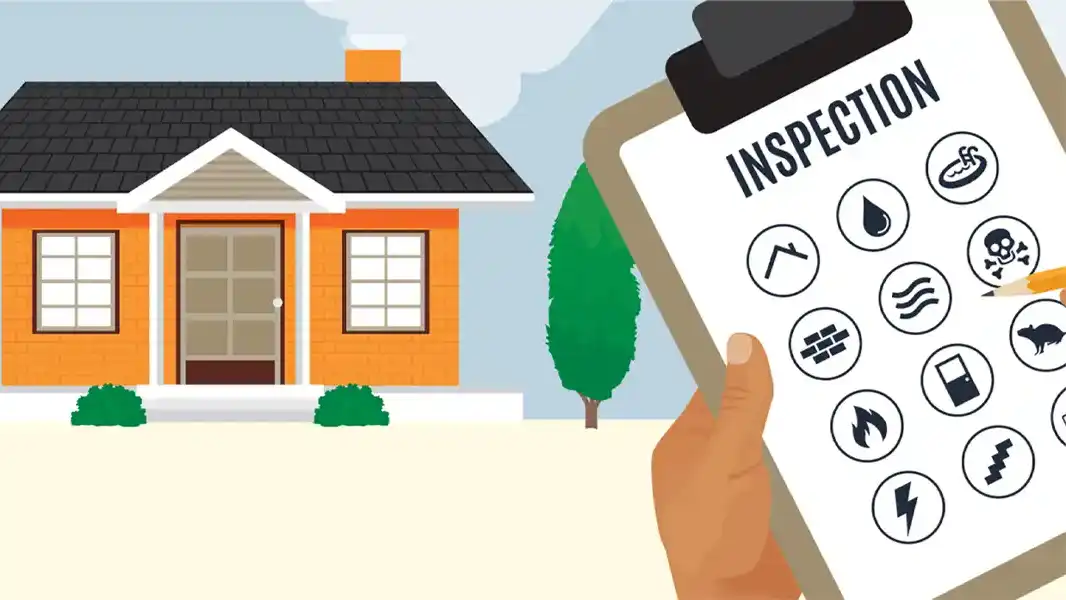
But what if the inspection reveals some issues? This is where things get interesting. You can use the inspection report to negotiate with the seller. They might agree to fix the problems before closing, offer a price reduction to compensate for the necessary repairs, or provide a credit at closing. The key is to communicate clearly and work towards a solution that is fair to both parties.
There are instances, although less common, where the seller might pay for an inspection upfront. This could be a strategy to demonstrate transparency and attract more buyers, particularly in a competitive market. However, even if the seller provides an inspection report, it's still wise to hire your own inspector to get an independent assessment.

Tips for handling the inspection process:
- Do your research: Find a qualified and reputable home inspector. Ask for referrals from friends, family, or your real estate agent.
- Attend the inspection: This is your chance to ask questions and see the house through the eyes of an expert.
- Read the report carefully: Don't be afraid to ask for clarification on anything you don't understand.
- Prioritize the issues: Focus on the most significant problems, such as structural issues or safety hazards.
- Negotiate in good faith: Be reasonable and willing to compromise to reach a mutually agreeable solution.
In conclusion, while the buyer typically pays for the home inspection, it's an investment that pays off in the long run. It provides valuable information, protects you from unexpected expenses, and gives you peace of mind knowing that you're making an informed decision. So, breathe easy, do your homework, and approach the inspection process with confidence. After all, you're one step closer to making that dream home a reality!