Whats Worse A Watch Or A Warning

Ever found yourself scratching your head when the weather report talks about a 'watch' versus a 'warning'? It’s a common moment of confusion, often leading to a quick mental debate: What's the difference, and which one should I be more worried about? This isn't just about understanding jargon; it's a topic that's surprisingly useful, even fun, to demystify because it directly impacts our daily lives and, more importantly, our safety. For everyday readers, clarifying this distinction can turn a moment of anxiety into a moment of informed action, making us all a little more prepared for whatever Mother Nature, or life, throws our way.
Understanding the difference between a 'watch' and a 'warning' offers tangible benefits for various audiences. For beginners, or anyone new to navigating public safety announcements, it provides a clear roadmap for interpreting critical information. No more guessing games; you’ll know exactly what’s being asked of you. For families, this knowledge is invaluable for creating robust safety plans. Knowing when to simply be aware versus when to take immediate shelter can make all the difference, empowering parents to make swift, informed decisions to protect their loved ones. And for hobbyists – think outdoor adventurers, gardeners, or even just folks planning a weekend BBQ – it helps with planning and precaution, ensuring your fun isn't spoiled by an unexpected, and unheeded, turn of events.
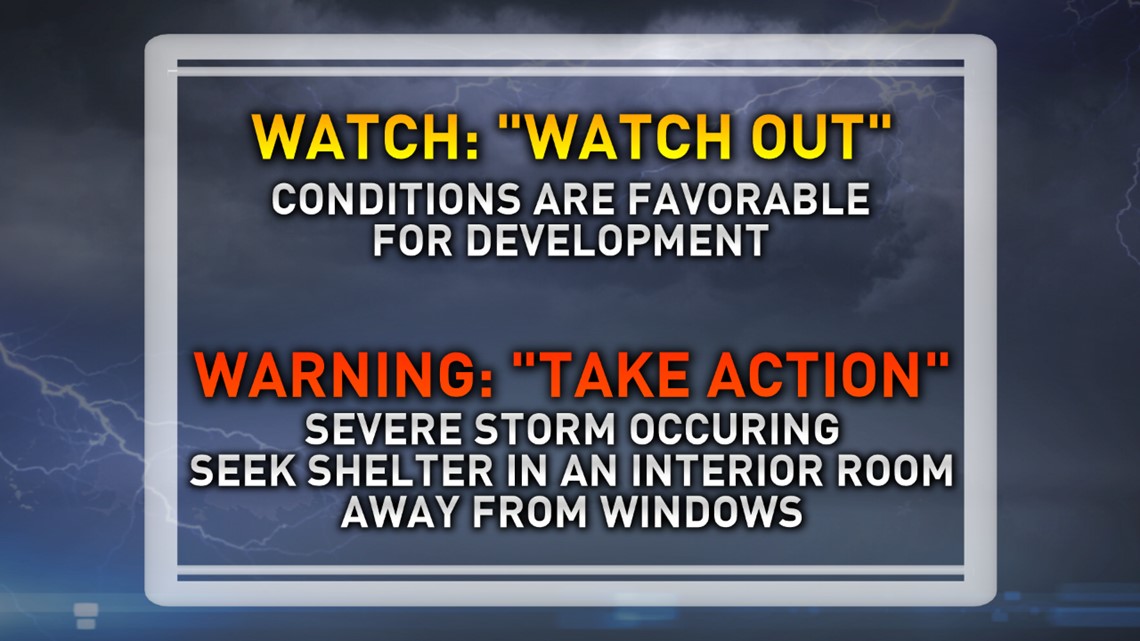
Let's dive into some practical examples. The most common context for this debate is, of course, weather. A Severe Thunderstorm Watch means that conditions are favorable for severe thunderstorms to develop in or near your area. It’s a heads-up, a gentle nudge to stay aware, maybe charge your phone, and keep an eye on the sky. However, a Severe Thunderstorm Warning means that a severe thunderstorm is happening now or is imminent for your location. This isn't a suggestion; it's a call to action – seek shelter immediately! The same distinction applies to tornadoes: a Tornado Watch means conditions could produce a tornado, while a Tornado Warning means one has been spotted or indicated by radar. It’s clear now, isn't it? A warning is always worse than a watch because it indicates immediate danger and necessitates direct action, whereas a watch is about preparation and vigilance.
Must Read
So, how can you apply this knowledge? Here are some simple, practical tips. First, know your sources: reliable local news, weather apps, and NOAA Weather Radios are your best friends. Second, don't just listen, understand. When you hear "watch," think "potential, prepare." When you hear "warning," think "imminent, act." Third, have a basic plan. For a watch, maybe that means bringing pets inside or securing loose outdoor items. For a warning, it means knowing where your safe space is (a basement, an interior room) and how to get there quickly. Finally, talk about it with your family. Ensure everyone, even children, understands the difference so they can react appropriately.
In the end, understanding whether it's a 'watch' or a 'warning' isn't just about being a know-it-all; it's about being prepared and proactive. It's a small piece of knowledge that carries significant weight, transforming potential panic into calm readiness. This clarity truly brings value, reducing stress and enhancing personal and community safety. It turns confusing terminology into empowering information, proving that sometimes, simply knowing the difference can make all the difference.