What's The Temperature In My House Right Now
Let's talk temperature. Not the weather report kind (though that's relevant, naturally). We're diving into the cozy microcosm of your home and answering that pressing question: What's the temperature right now? More importantly, why does it matter and how can we make it just right?
The Goldilocks Zone: Finding Your Perfect Temperature
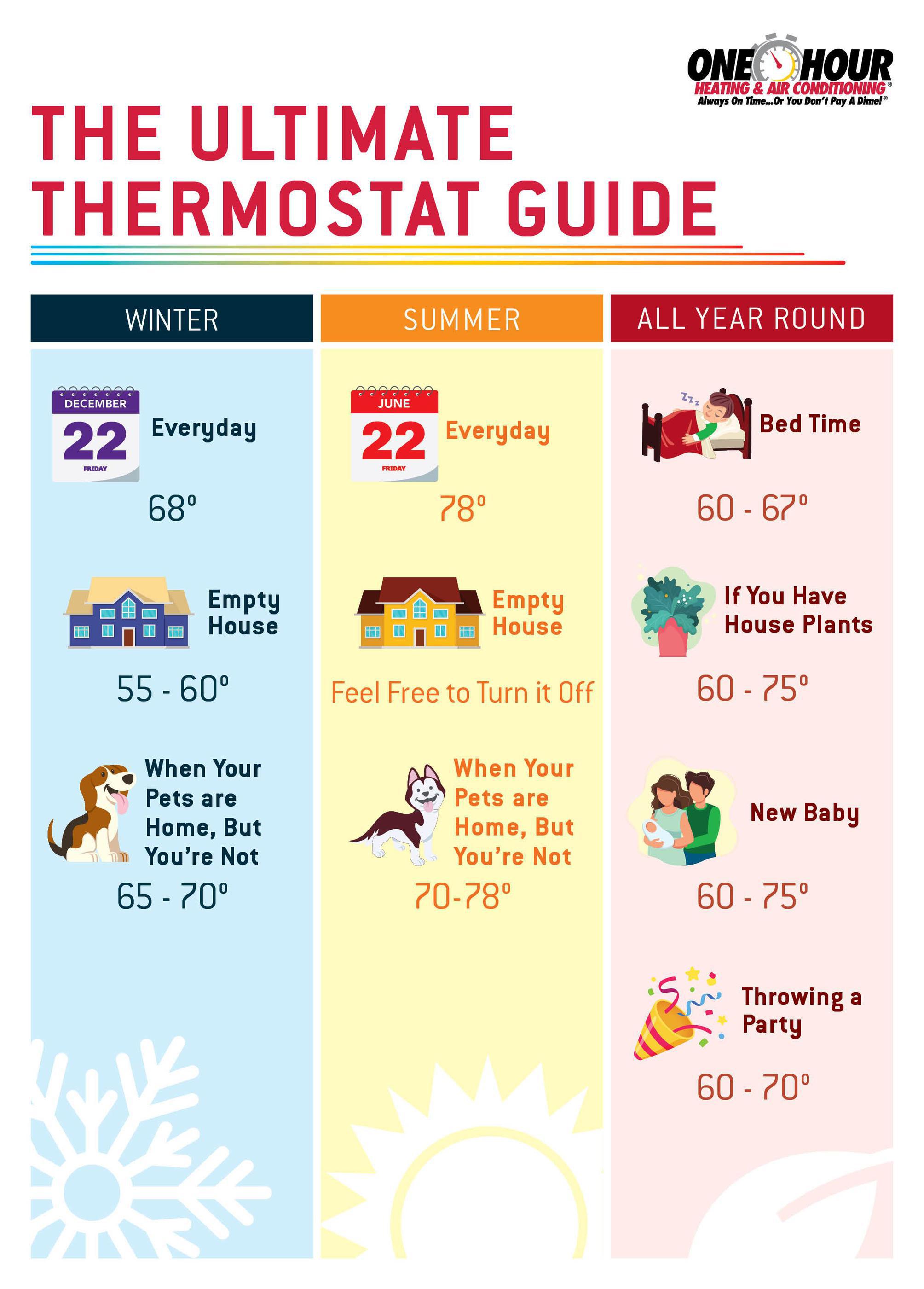
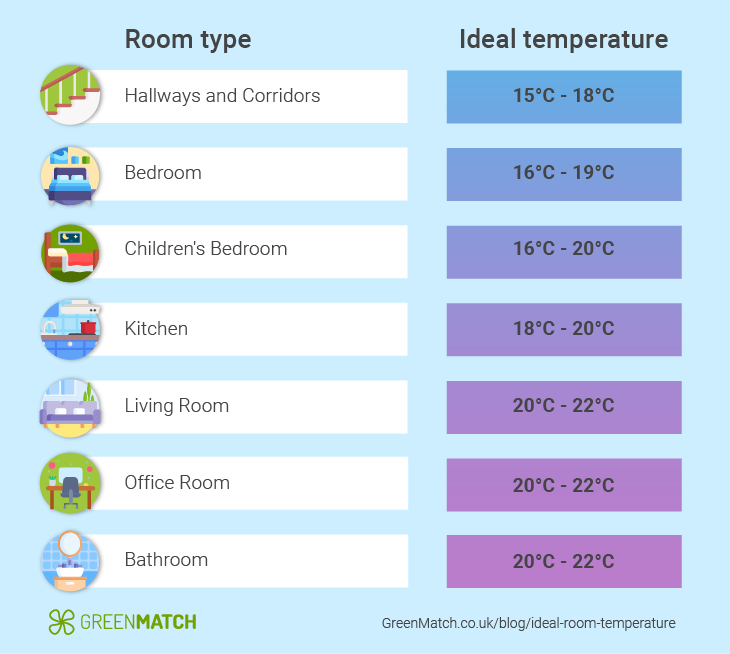
Remember Goldilocks and the Three Bears? Too hot, too cold, just right. That fairytale is surprisingly applicable to indoor climate. While "just right" is subjective, there are some generally accepted comfort zones. Most experts recommend between 68-72°F (20-22°C) in the winter and 73-78°F (23-26°C) in the summer. Of course, personal preference reigns supreme. Maybe you're a polar bear who thrives in chilly conditions, or perhaps you're more of a sun-loving lizard. The key is finding your sweet spot.
Think about it: temperature impacts everything. From your sleep quality (a slightly cooler room often promotes better rest) to your energy bill (cranking up the heat can have a chilling effect on your wallet). It even affects your mood! No one wants to be grumpy from being too hot or shivering from being too cold.
Must Read
Beyond the Thermostat: Factors Influencing Indoor Temp
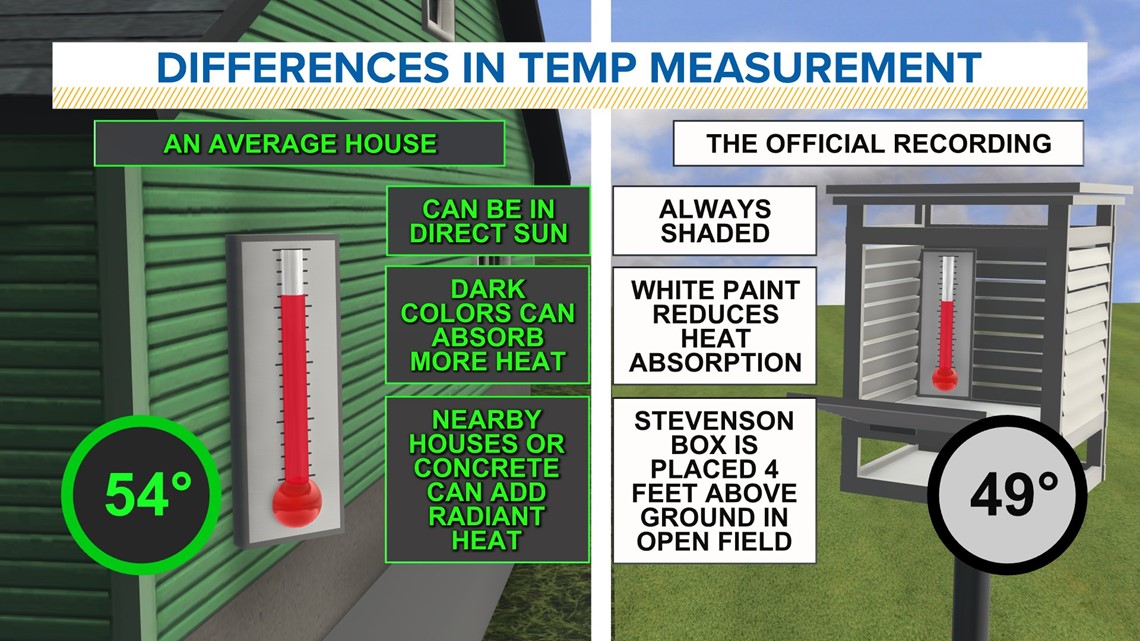
Your thermostat is the conductor of your home's temperature orchestra, but it's not the only instrument playing. Several factors can influence the temperature in your house:
- Insulation: Think of insulation as your home's cozy sweater. Good insulation keeps the heat in during winter and out during summer.
- Windows: Single-pane windows can be major heat-loss culprits. Consider upgrading to double- or triple-pane windows for better energy efficiency.
- Sunlight: South-facing windows can provide passive solar heating in the winter, but they can also overheat your home in the summer. Strategic window coverings can help manage sunlight.
- Air Leaks: Drafty doors and windows can let in cold air in the winter and hot air in the summer. Seal any gaps with weather stripping or caulk.
- Appliances: Ovens, stoves, and even computers can generate heat.
Tech to the Rescue: Smart Thermostats and Sensors
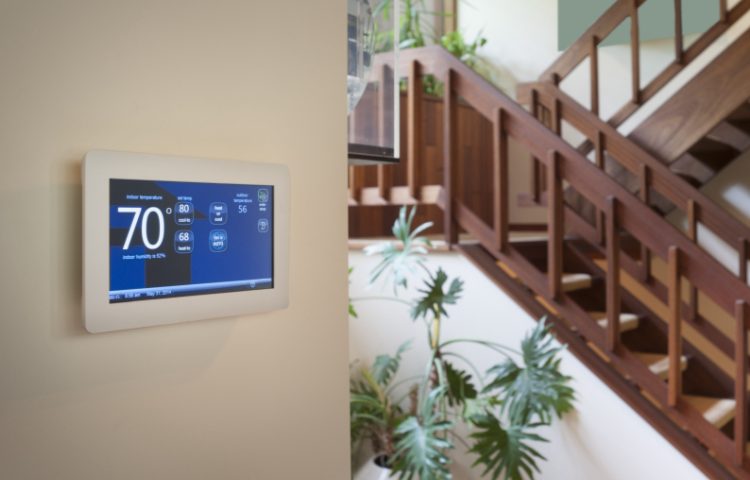
Gone are the days of clunky, manual thermostats. Today, we have a wealth of smart home technology to help us manage our indoor climate. Smart thermostats learn your habits and automatically adjust the temperature based on your schedule. They can even be controlled remotely from your smartphone. Some systems also offer individual room sensors, allowing you to fine-tune the temperature in different areas of your home. It's like having a personal climate concierge!

Pro Tip: Consider a smart thermostat with geofencing capabilities. It can automatically lower the temperature when you leave home and raise it when you're on your way back, saving you energy and money.
Cultural Perspectives: Temperature Around the World
Temperature preferences aren't just individual; they can also be cultural. In some parts of the world, it's common to keep homes warmer than in others. This can be due to factors like climate, building materials, and cultural norms. For example, in Scandinavian countries, known for their "hygge" lifestyle, homes are often kept cozy and warm, creating a sense of comfort and well-being. In contrast, some Mediterranean countries might favor cooler indoor temperatures, relying on natural ventilation and shade to stay comfortable during hot summers.
Staying Comfortable: Practical Tips and Tricks
Here are a few easy ways to keep your home comfortable without breaking the bank:
- Use ceiling fans: In the summer, set your ceiling fan to rotate counterclockwise to create a cooling breeze. In the winter, reverse the direction to push warm air down from the ceiling.
- Dress appropriately: Layer your clothing to stay comfortable in fluctuating temperatures.
- Cook strategically: Avoid using the oven on hot days. Opt for grilling or salads instead.
- Open windows at night: Take advantage of cooler nighttime temperatures by opening windows to ventilate your home. Close them in the morning to trap the cool air.
- Utilize blackout curtains: Block out sunlight during the hottest parts of the day to prevent your home from overheating.
Bonus Fact: Did you know that the ideal temperature for storing wine is between 55-65°F (13-18°C)? Just a little something to keep in mind for all the wine enthusiasts out there!
The Takeaway: Temperature and Well-being
Knowing the temperature in your house right now isn't just about comfort; it's about well-being. It's about creating a space where you can relax, focus, and thrive. It's about understanding how your environment impacts your mood and your health. So, take a moment to check your thermostat, adjust your settings, and create a home that feels just right for you. After all, your home should be your sanctuary, your happy place, your perfect temperature haven. Because at the end of a long day, all we really want is a space where we can simply, comfortably, be.