What's The Difference In A Cyclone And A Tornado
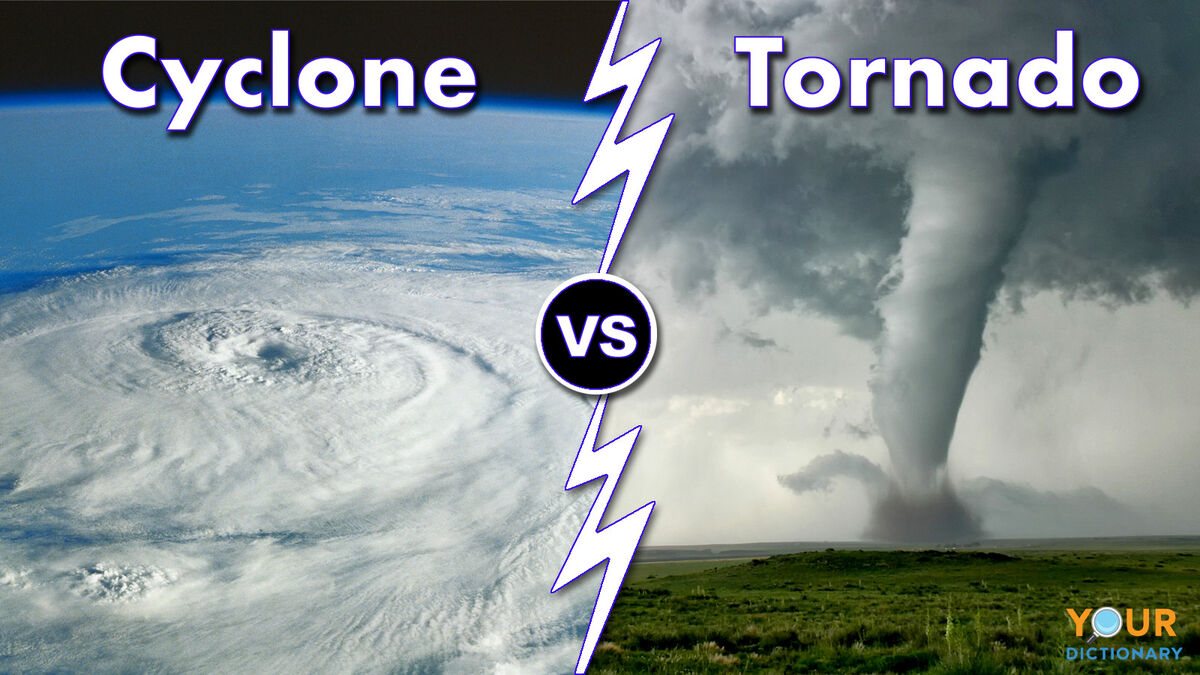
Ever heard someone use the words "cyclone" and "tornado" and wondered if they're just fancy words for the same scary swirling thing? You're not alone! They're both powerful weather events, but think of them like cousins – related, but with very different personalities and favorite hangouts. Let's untangle this weather web and make sure you're clued in!
Location, Location, Location!
The biggest difference boils down to where these weather events like to party. Imagine a family reunion. Some family members are always at the beach (cyclones), while others prefer hanging out in the Midwest (tornadoes).
Cyclones are massive rotating storms that form over warm ocean waters. They're like the divas of the weather world, needing specific warm, moist conditions to get going. You'll find them strutting their stuff near coastlines in places like Australia (where they're really fond of the term "cyclone"), India, and parts of the United States (think hurricanes in the Atlantic and typhoons in the Pacific – yep, they're all cyclones!).
Must Read
Tornadoes, on the other hand, are landlubbers. They're typically associated with powerful thunderstorms, especially supercells, and love to spin up in places like the United States' "Tornado Alley." Think Kansas, Oklahoma, Texas – places where the flat land meets warm, moist air from the Gulf of Mexico and cold, dry air from the Rockies, creating the perfect recipe for a whirling dervish.
Size Matters (and Lifespan, Too!)
Think of cyclones as enormous, slow-moving giants and tornadoes as smaller, quicker sprinters. A cyclone can stretch hundreds of miles across – the size of an entire state! They can also last for days, even weeks, churning across the ocean and eventually making landfall.
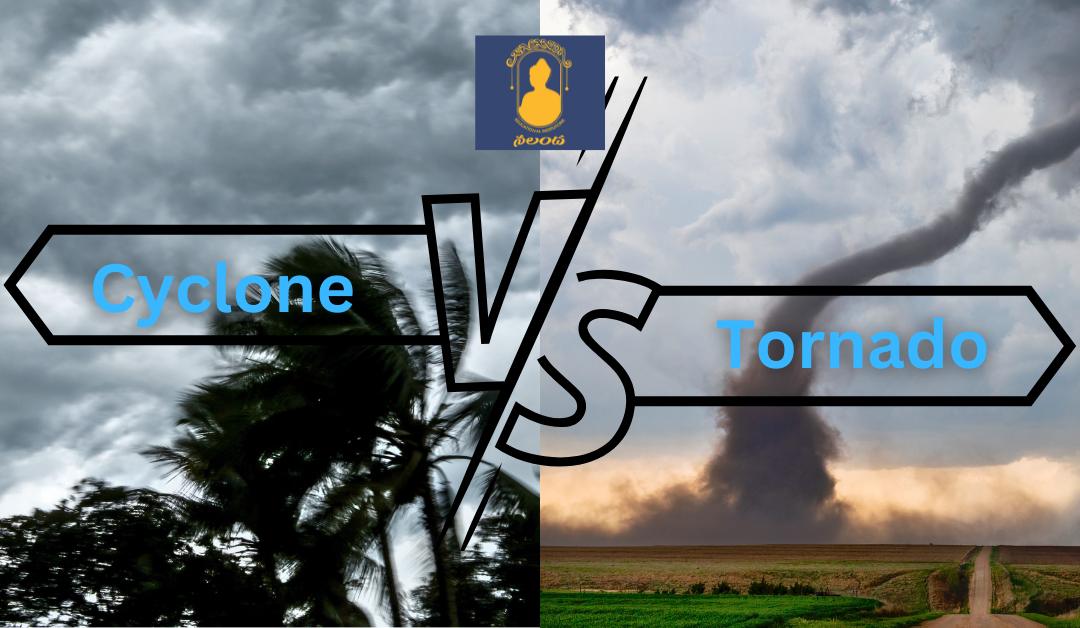
A tornado, however, is usually much smaller, typically a few hundred yards wide. They also have much shorter lifespans, often lasting only a few minutes, though some can stick around for an hour or more. They're like that friend who's super energetic but burns out quickly.
To summarize: Cyclones are huge and long-lasting; tornadoes are smaller and short-lived.
Power Punch: Both Pack a Wallop!
Both cyclones and tornadoes can be incredibly destructive, just in different ways. Cyclones bring a whole buffet of bad news: high winds, torrential rain, storm surges (a wall of seawater pushed inland), and flooding. They can flatten buildings, uproot trees, and cause widespread damage. Imagine leaving a garden hose running full blast pointed at your house for days – that's kind of the level of water we're talking about.

Tornadoes are like nature's wrecking balls. Their incredibly intense winds can lift cars, tear roofs off houses, and send debris flying through the air. While their overall footprint might be smaller than a cyclone's, the damage within that area can be absolutely devastating. Think of it like a targeted explosion versus a slow, grinding destruction.
Why Should You Care?
Okay, so they're different. But why should you bother remembering which is which? Well, knowing the type of storm headed your way is crucial for preparing. Cyclone warnings often give you days of lead time, allowing you to evacuate, secure your home, and gather supplies. You might think of it like planning for a big, predictable guest. Tornado warnings, however, are usually issued much closer to the event, sometimes only minutes beforehand. This means knowing the drill, having a safe place to go, and being ready to act quickly is vital.

Imagine you're planning a picnic. If you know a hurricane is coming in a week, you'll cancel the picnic entirely. If you hear a tornado warning, you’ll immediately head for the nearest shelter.
Staying Safe: Be Prepared, Not Scared!
The key takeaway? Knowing the difference between a cyclone and a tornado helps you understand the type of threat you're facing and react accordingly. Stay informed about weather forecasts in your area, heed warnings from authorities, and have a plan in place for both scenarios. A little knowledge goes a long way in keeping yourself and your loved ones safe.
It's not about being scared; it's about being prepared. So next time you hear about a cyclone or a tornado, you'll know exactly what's going on and how to stay safe. Now, go impress your friends with your newfound weather wisdom!