What's The Difference Between Tig And Mig Welding
Metal, once the exclusive domain of industrial giants, is now a playground for artists, hobbyists, and DIY enthusiasts. And at the heart of this metal morphing revolution? Welding! Specifically, two popular techniques: TIG and MIG. But what exactly is the difference, and why should you care? Well, strap on your welding helmet, because we're about to spark some knowledge!
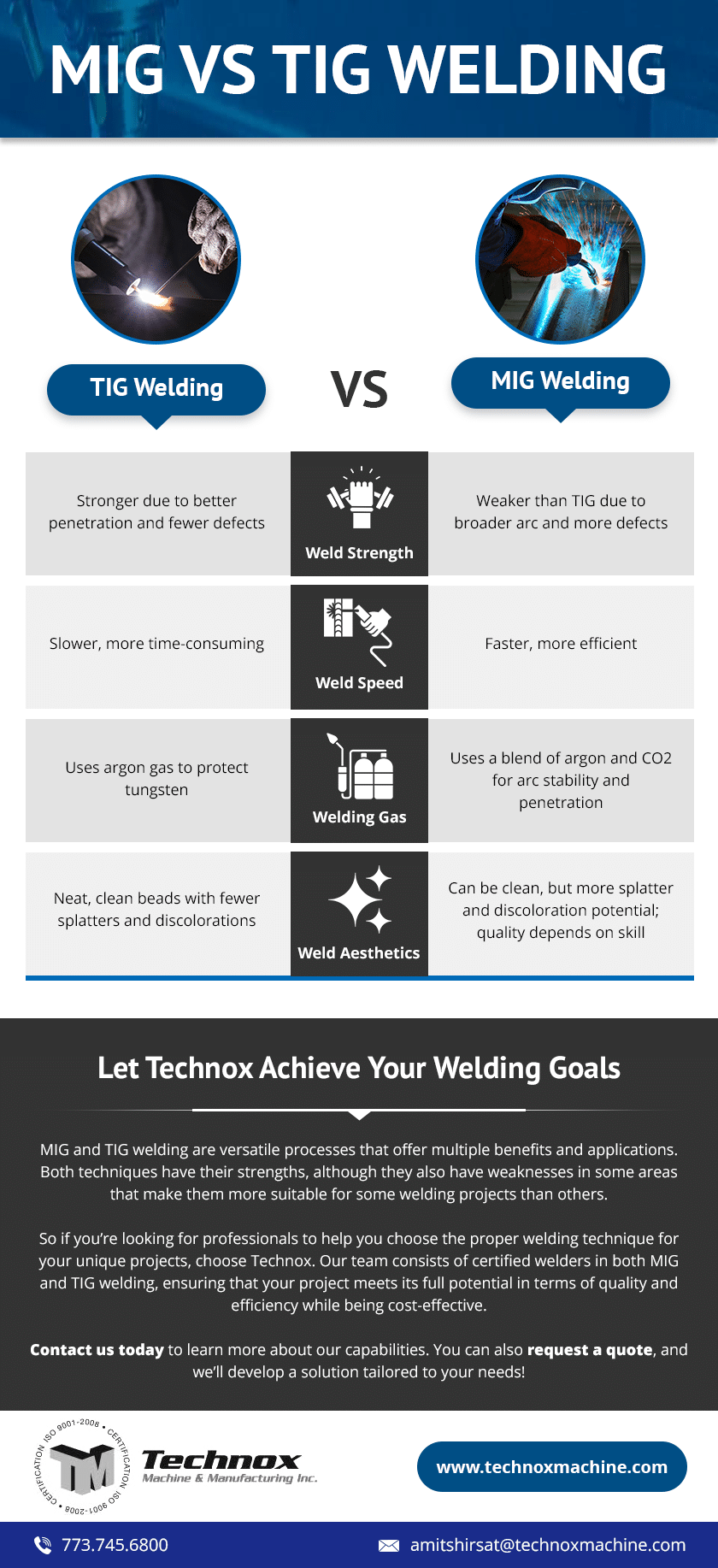
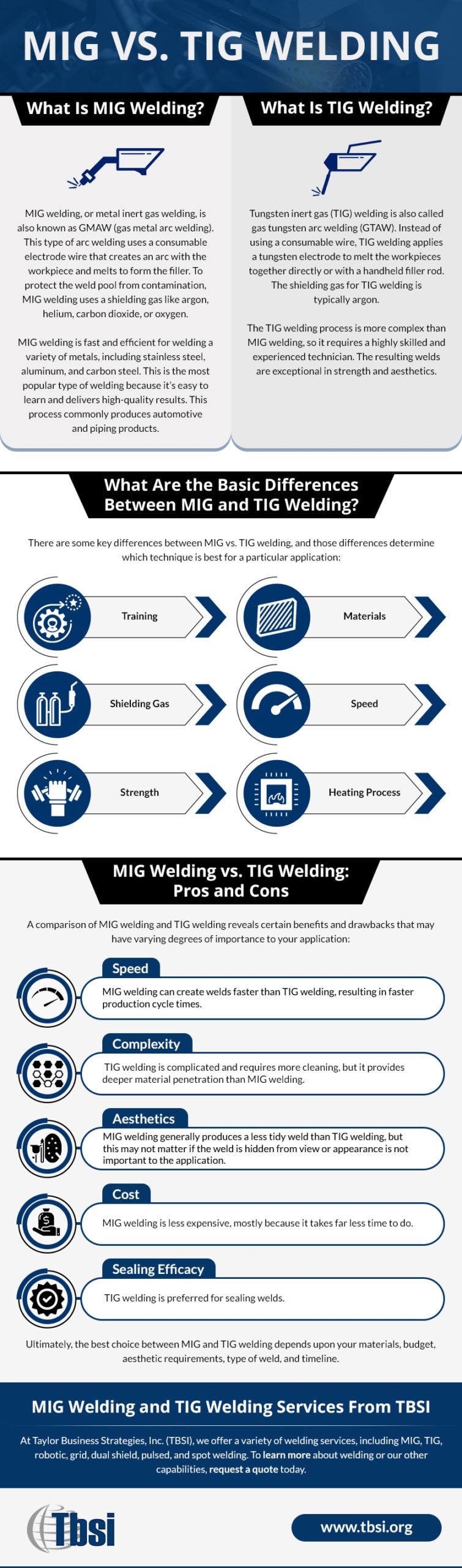
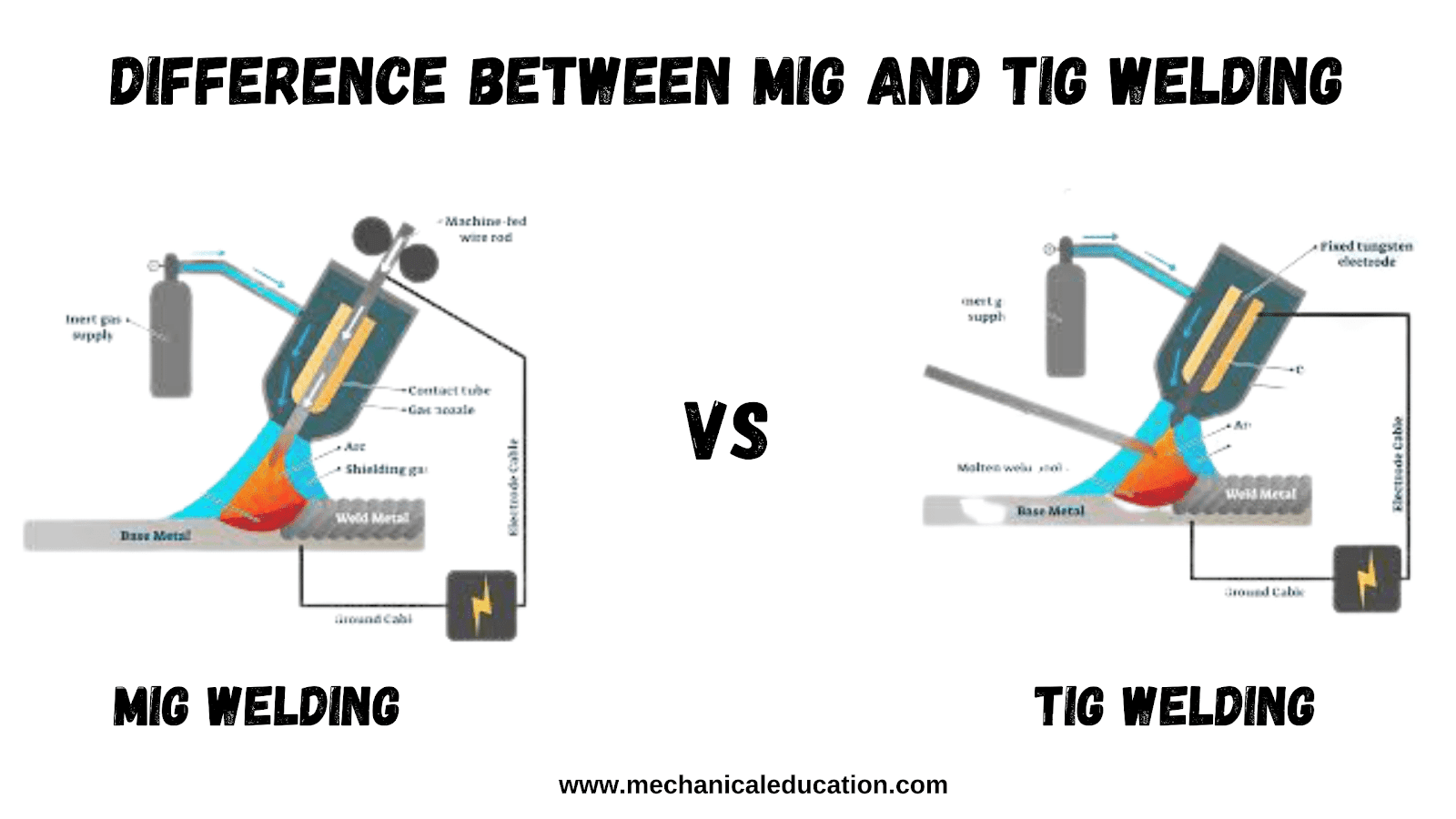
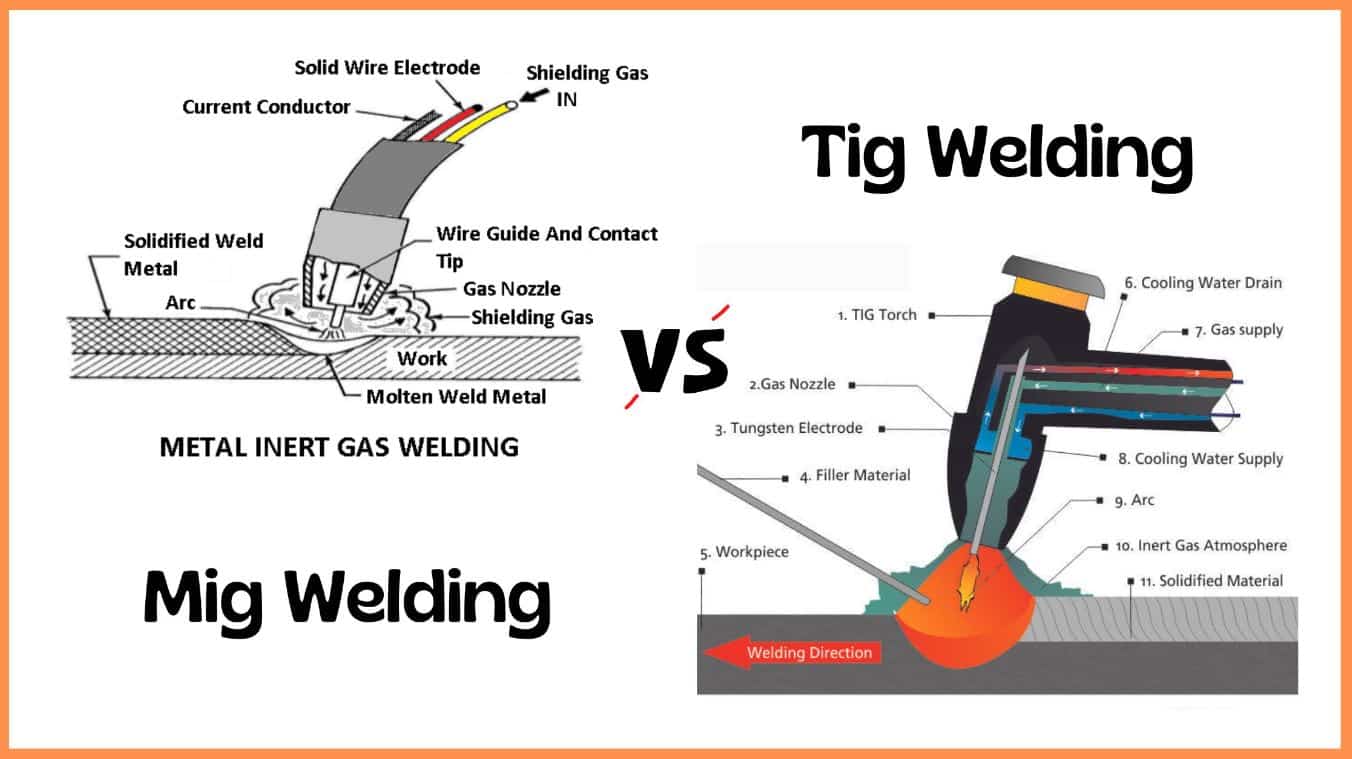
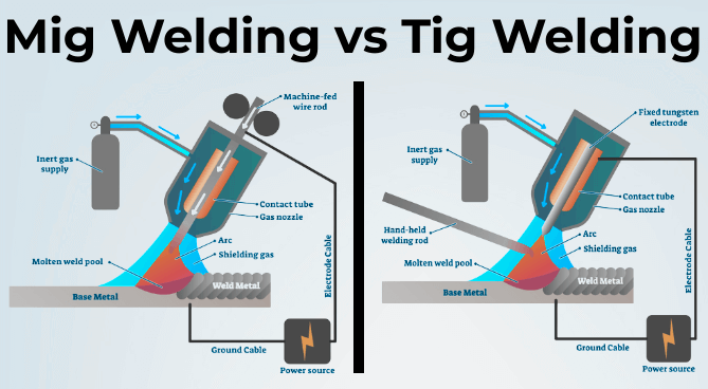
For the creative soul, welding unlocks a world of possibilities. Imagine crafting delicate metal sculptures, repairing vintage car panels, or even building your own custom furniture. TIG (Tungsten Inert Gas) welding offers unparalleled precision and control. Think of it as the calligraphy of welding. It's fantastic for intricate designs, working with thin materials, and creating beautiful, clean welds. Artists love it for its ability to join dissimilar metals and create stunning visual effects. Imagine a stainless steel sculpture with bronze accents, all seamlessly joined thanks to TIG welding!
On the other hand, MIG (Metal Inert Gas) welding, sometimes called GMAW (Gas Metal Arc Welding), is the workhorse of the welding world. It's faster and easier to learn than TIG, making it ideal for beginners and projects where speed is key. Think of it as the spray paint of welding – you can cover a lot of ground quickly. Hobbyists use MIG for everything from repairing lawnmowers to building sturdy garden furniture. It's also perfect for automotive repairs where strong, reliable welds are a must.
Must Read
So, what are some examples of projects you could tackle? With TIG, you could create intricate jewelry pieces, custom motorcycle parts with artistic flourishes, or even detailed metal wall art. The possibilities are endless! MIG, on the other hand, shines with larger projects like building metal gates, reinforcing trailers, or fabricating custom brackets and supports. Think rustic industrial furniture with visible, robust welds that add character.
Feeling inspired to try it yourself? Here are a few tips for getting started at home:
- Safety first! Always wear a welding helmet, gloves, and appropriate clothing.
- Start with MIG welding. It's generally easier to learn and more forgiving.
- Invest in a decent welding machine. You don't need the most expensive model, but a reliable machine will make the process much smoother.
- Practice, practice, practice! Welding takes time and patience to master. Start with scrap metal and gradually work your way up to more complex projects.
- Watch online tutorials and join a local welding group. Learning from others can be invaluable.
But beyond the practical applications, welding is simply enjoyable. There's something deeply satisfying about taking raw materials and transforming them into something useful, beautiful, or both. The hum of the machine, the flash of the arc, the smell of hot metal – it's a visceral experience that connects you to the physical world in a unique way. Whether you're a budding artist or a weekend warrior, welding offers a creative outlet and a sense of accomplishment that's hard to beat. So, grab your helmet, strike an arc, and discover the joy of metal manipulation!