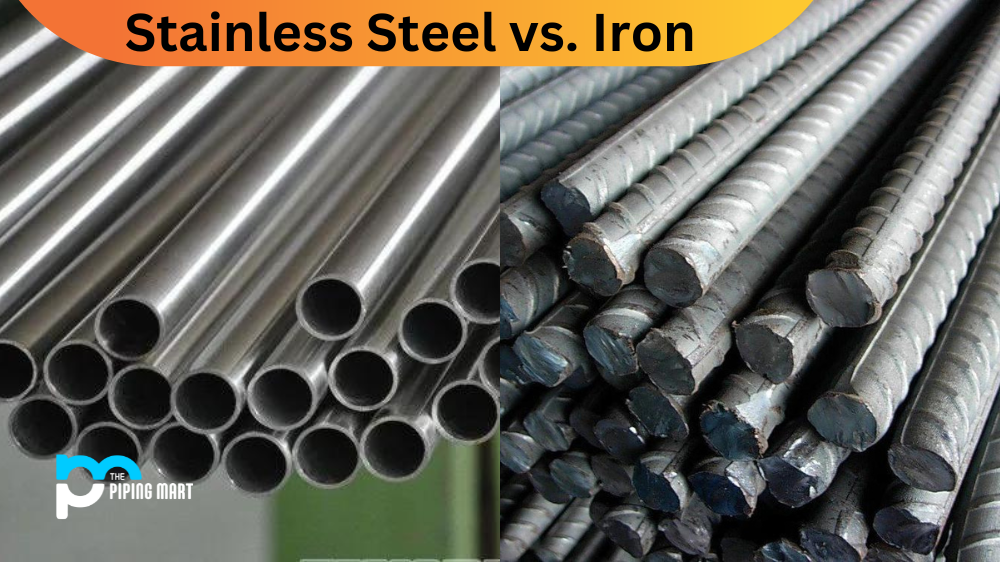
What's The Difference Between Steel And Metal

Okay, so picture this: I'm at a flea market, right? Digging through a box of rusty-looking stuff. I pick up this weird, knobbly thing and ask the vendor, "Is this...metal?" He gives me this look, like I'd just asked if the sky was blue. "Kid," he says, "everything in this box is metal. The question is, what kind of metal?"
That little interaction stuck with me. Because, let's be honest, most of us use "metal" and "steel" interchangeably. But, surprise! They're not quite the same. Think of it this way: metal is like the family, and steel is one of the family members. (A super popular family member, granted.)
So, what is metal, then?
Basically, metal is an element that's shiny, conducts electricity and heat well, and is generally strong and durable. Think gold, silver, copper, aluminum – you get the idea. Lots and lots of stuff qualifies as metal. We’re talking about a big chunk of the periodic table here.
Must Read
And here's a fun fact: most metals are found combined with other elements in the earth. They don't just pop up looking all shiny and ready to be used. That's where mining and refining come in! (Okay, maybe not so fun, but important!)
And Steel? Where does it fit in?
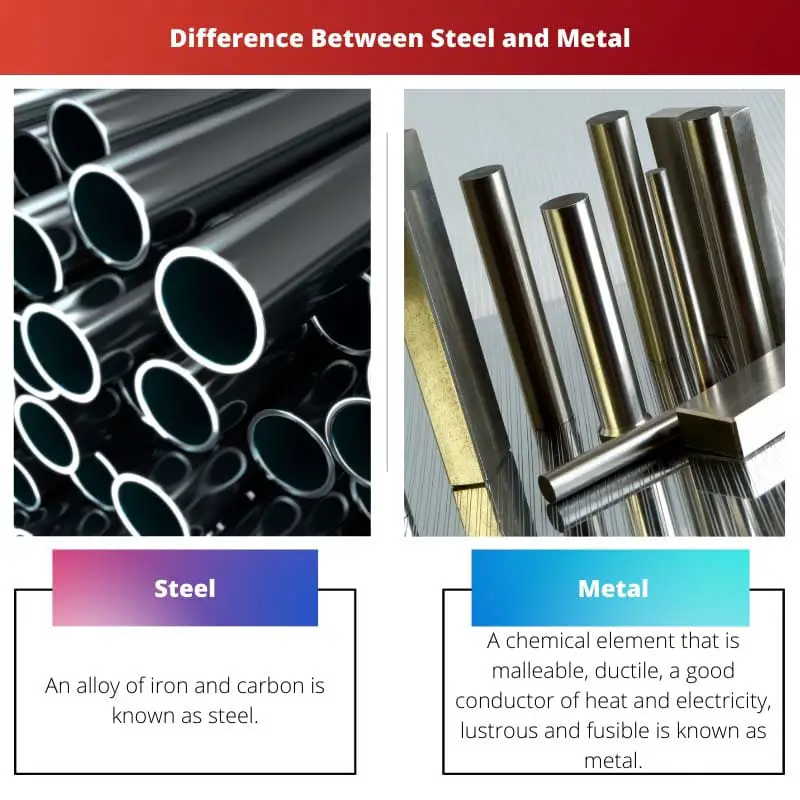
Steel is an alloy. Fancy word, right? All it means is that it's a mixture of two or more elements, where at least one is a metal. In the case of steel, it's mostly iron, with a little bit of carbon thrown in for good measure. You can add other elements too, like chromium or nickel, to give it special properties like rust resistance (hello, stainless steel!).
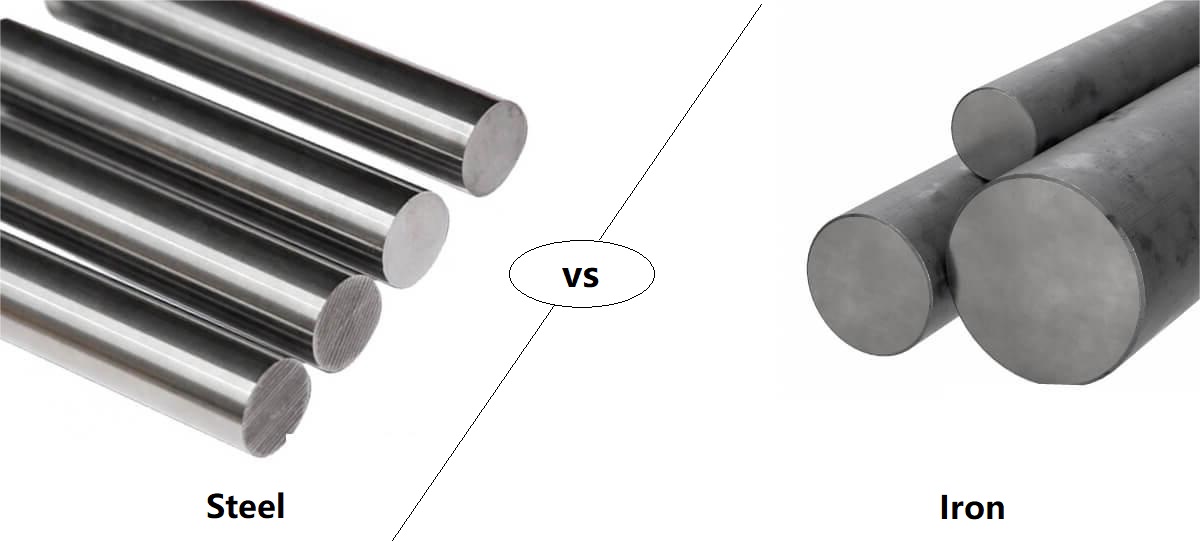
Think of steel like cake. The main ingredient is flour (iron), but you need other stuff like sugar and eggs (carbon and other alloys) to make it, well, cake! Just flour on its own isn't quite as...deliciously useful.
Why is steel so popular?
That's a good question! Steel is popular because it's stronger and often cheaper than many other metals. That little bit of carbon makes a HUGE difference. It's what gives steel its incredible strength and makes it so versatile. You see it everywhere, from skyscrapers and bridges to cars and cutlery.
Seriously, look around you right now. How many things can you spot that are made of steel? (I bet it’s more than you think!).
So, steel is always better than other metals?
Not necessarily! It depends on what you're using it for. While steel is super strong and generally cost-effective, it can rust (unless it's stainless steel, of course). Other metals, like aluminum, are lighter and naturally resistant to corrosion. Copper is an excellent conductor of electricity. Gold is… well, it's gold. Sometimes, you need the specific properties of a different metal.
Imagine building an airplane out of solid steel. It would probably be able to withstand a crash... but good luck getting it off the ground! That's why you see a lot of aluminum used in aviation.
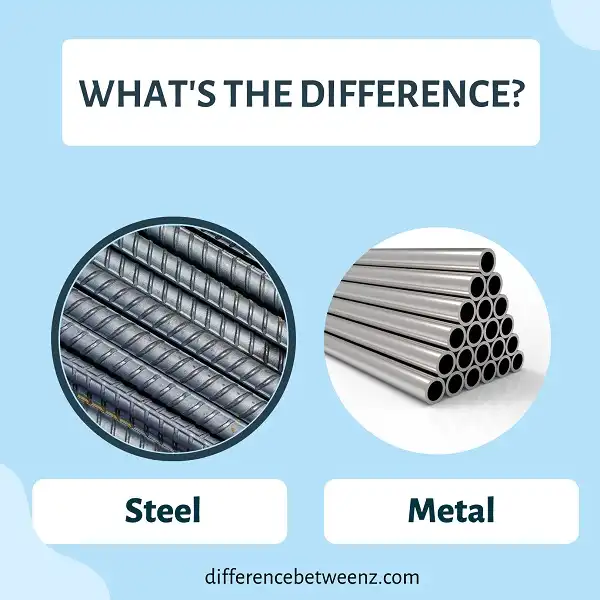
Okay, I get it. Metal = the big category, Steel = a specific type of metal alloy. Anything else?
Just remember that there are tons of different types of steel, each with its own unique properties. High-carbon steel is super hard, while low-carbon steel is more flexible. Stainless steel is resistant to rust. And so on, and so on. It's a whole world of metallurgy out there!
Think of it like dogs. "Dog" is the broad category, but then you have German Shepherds, Poodles, Chihuahuas… all dogs, but all very different. Steel is the German Shepherd of the metal world – strong, reliable, and always ready for a job. (Okay, maybe a bit of a weird analogy, but hopefully you get the point!)
So, the next time you're at a flea market (or, you know, just walking down the street), take a look around and appreciate the amazing world of metals – and especially that superstar alloy, steel!